
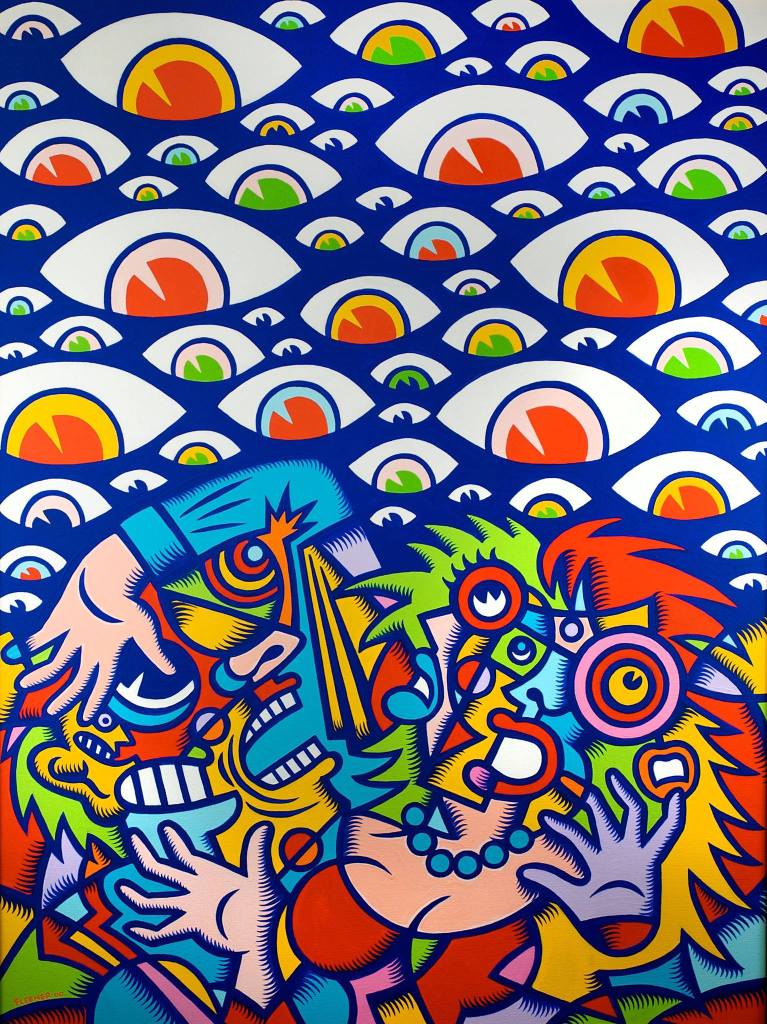
The GO Mechanism is an audio Odyssey scientifically engineered and programed in the secret laboratory of Boogaloo Omnibus Productions by Phast Phreddie Patterson. The program incorporates ultra-phonic techniques not available to other broadcast entities. The G stands for GROOVE, and there is always plenty of GROOVE in each GO Mechanism. The O stands for O’Roony, an intricate and complex attitude that is incomprehensible to those who possess standard-issue precepts. Listen and you will hear.
The GO Mechanism is first aired on the Luxuria Music web streaming hustle as a Saturday Night Special; this one will air on March 14. It will then be available as a podcast on the Luxuria Music web site for a few weeks before we will put it into the Mixclouds.
In order to achieve total comprehension of this and every GO Mechanism, it is strongly recommended that one listens to it while reading this corresponding post. Here is a complete track listing of the records played on the program, as we do not stop to back-announce records.
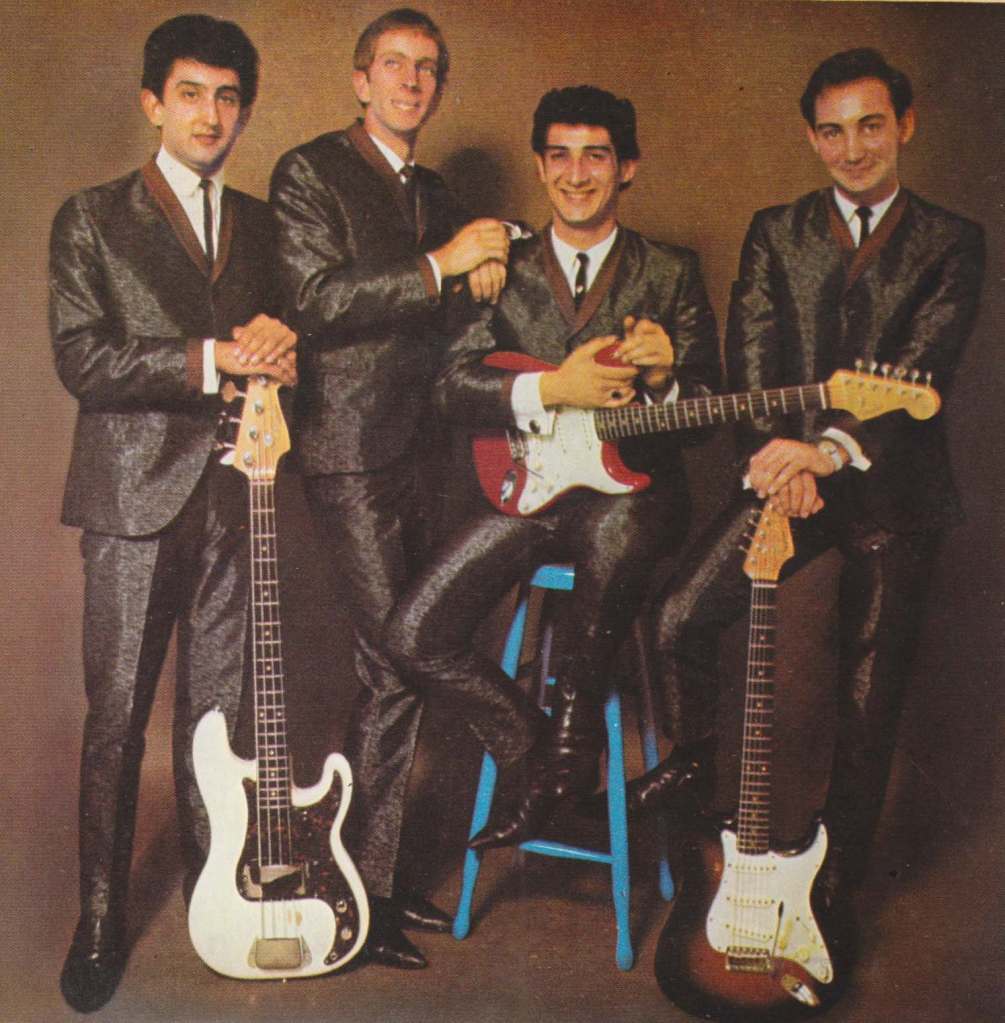
Halfway into the GO there will be a Science Corner—a segment of the trip where we discuss a topic of musical importance. This Science Corner we will feature the great Australian surf combo The Atlantics.
Here we go!!!
- Earl Bostic—Lester Leaps In (King)
- Bud Powell—Wail (Blue Note)
- James Davis—Doodle Bee (Federal)
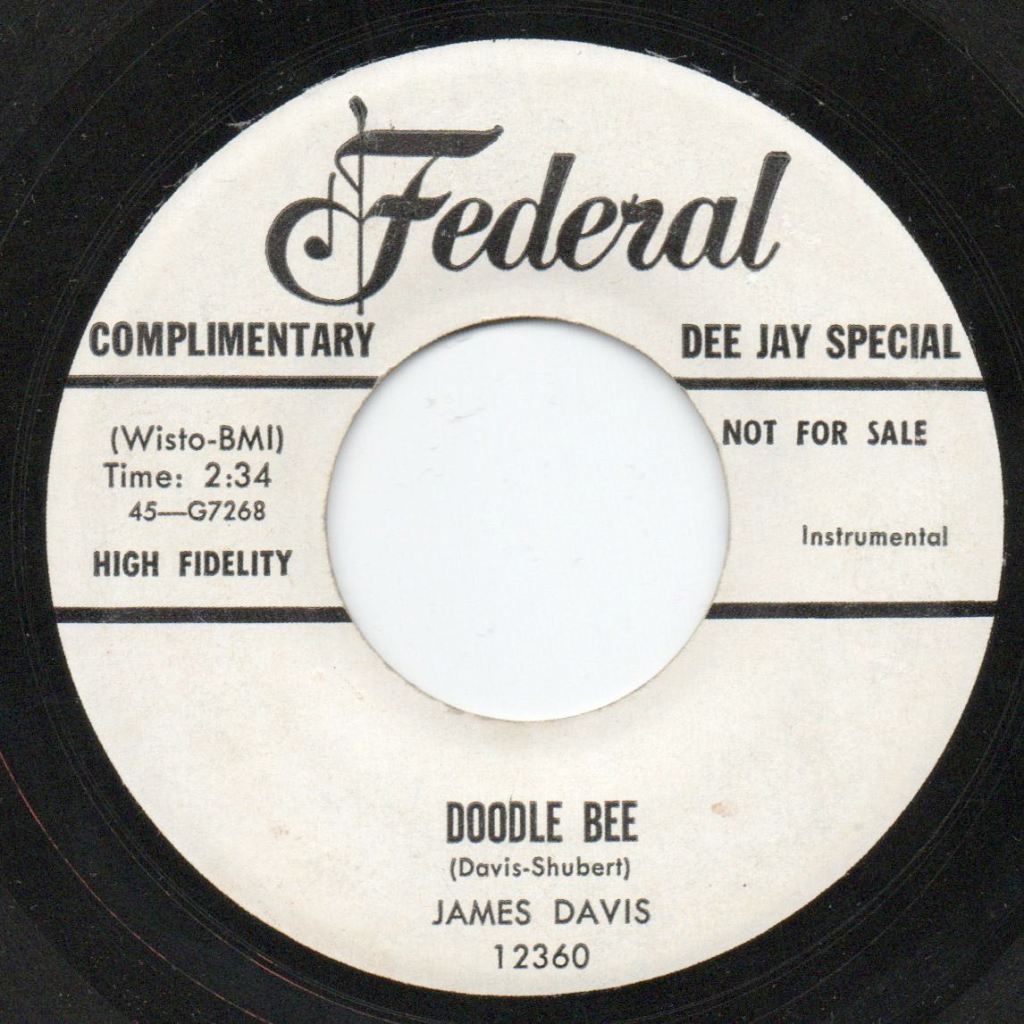
J.C. Davis was the saxophonist in James Brown’s band around 1960. At that time, Brown wanted to showcase his band on records but his record company wouldn’t let him. However, he was able to talk them into releasing an instrumental credited to James Davis with Brown’s band—that’s JB with the “doodle bug” shout outs. Soon after this, Brown’s band recorded “(Do the) Mashed Potatoes” and released it as by Nat Kendrick & the Swans—Kendrick being the drummer in JB’s band. That record was issued on a different label and became a sizeable R&B hit. Brown’s record company then gave him a little more leeway. After J.C. Davis left the James Brown show around 1961, he worked with Etta James and other R&B acts in their respective live shows and made some really cool records for Argo, Chess and New Day.
- Laurel Aitken—Last Night (Rainbow; UK)
- Okuno & his Afro-Calypsonians—Oboli (from LP Afro-U.S.A.; Imperial)
- The Ventures—Wack Wack—(From LP Guitar Freak-Out; Dolton)
- Chip Kinman—Let’s Go Dark Shark, edit—(from album The Great Confrontation; In The Red)
- Arthur Lee—You Can Save 50% but You’re Still a Long Way From Home (from LP Vindicator; A&M)
- Lord Sitar—Have You Seen Your Mother Baby Standing in the Shadows (Capitol)
- Running Jumping Standing Still—Diddy Wah Diddy (Sunshine; Australia)
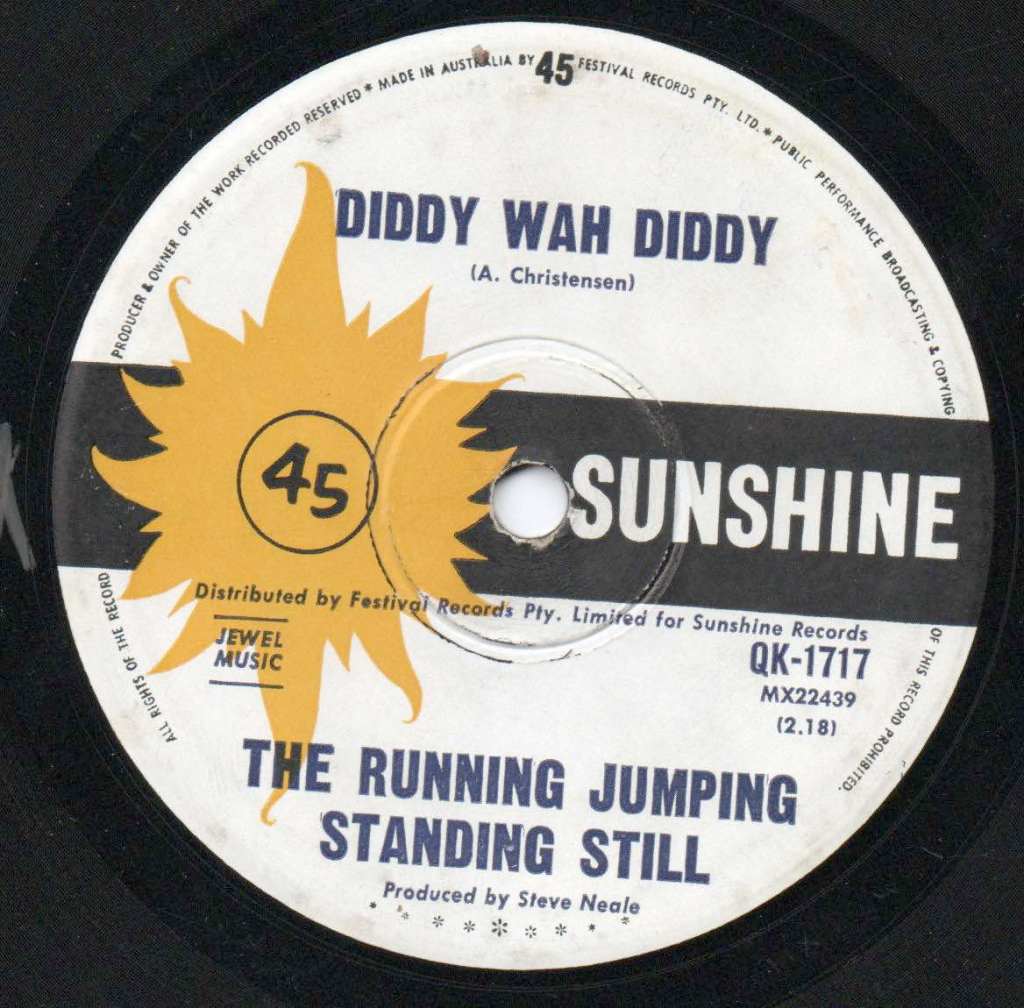
Running Jumping Standing Still was a group from Australia that was named after a short film by Richard Lester and Peter Sellers. The group formed in 1966 in Melbourne, released two singles that were heavily influenced by The Yardbirds in 1967, and was broken up by 1968. This version of the Bo Diddley song is one of the best—probably the only version better is the one by Captain Beefheart & the Magic Band. Look for a great video of Running Jumping Standing Still performing the song on the youtubes.
- Eddie Kirk—Monkey Tonight (King)
- The Loons—Blue Ether (Dirty Water; UK)
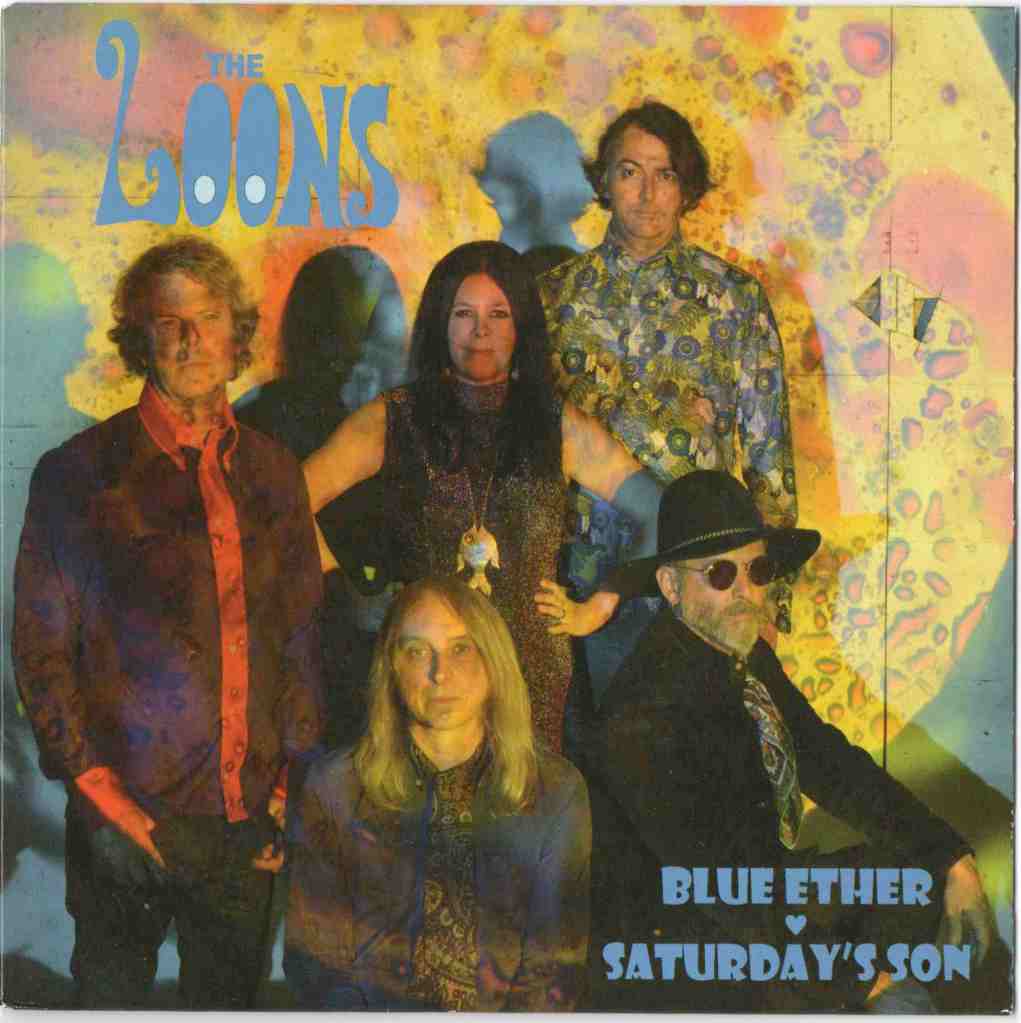
We briefly met Mike Stax when he was in the fabulous Crawdaddys back in the eighties. Since around 1983 he has been the publisher of a fantastic fanzine dedicated to the boss sounds of the sixties (“wild sounds from the past dimensions”) called Ugly Things. In the middle of the nineties he formed a band that incorporated all the elements of the music he loved and called it The Loons. Somehow, “Blue Ether” came to our attention and we can’t get enough of it so we finally had to share it with the GO Mechanism faithful.
- Stanley Black & His Orchestra—Caravan (from LP Exotic Percussion; London)
- Marvin Gaye—You’re What’s Happening (In the World Today) (Tamla)
- Dizzy Gillespie & his Orchestra—Theme From “The Cool World” (from album The Cool World, soundtrack; Philips)
- —spoken—Robert Hardy—Will It Be So Again (from LP Will It Be So Again; Argo; UK)
- Spanky Wilson—Sunshine of Your Love (BGP; UK)
- Kai Winding—Comin’ Home Baby (from LP Soul Surfin’; Verve)
- The Temptations—Ball of Confusion (backing track) (Gordy)
- Son Rompe Pere—¡Ay David! (from album Batuco; Aya; Europe)
- The Stooges—Slide (Slidin’ Blues) (from album 1970: Complete Fun House Sessions; Rhino)
- Pharoah Sanders—Upper Egypt and Lower Egypt—edit (from LP Tauhid; Impulse)
- The Grass Roots—Feelings (Dunhill)
———The Science Corner———
- The Atlantics—Bombora (CBS; Netherlands)
- Tom Gardner—Illudium !-36 (bed music)
- The Atlanticis—The Crusher (CBS Australia)
- The Atlantics—War of the Worlds (CBS; Australia)
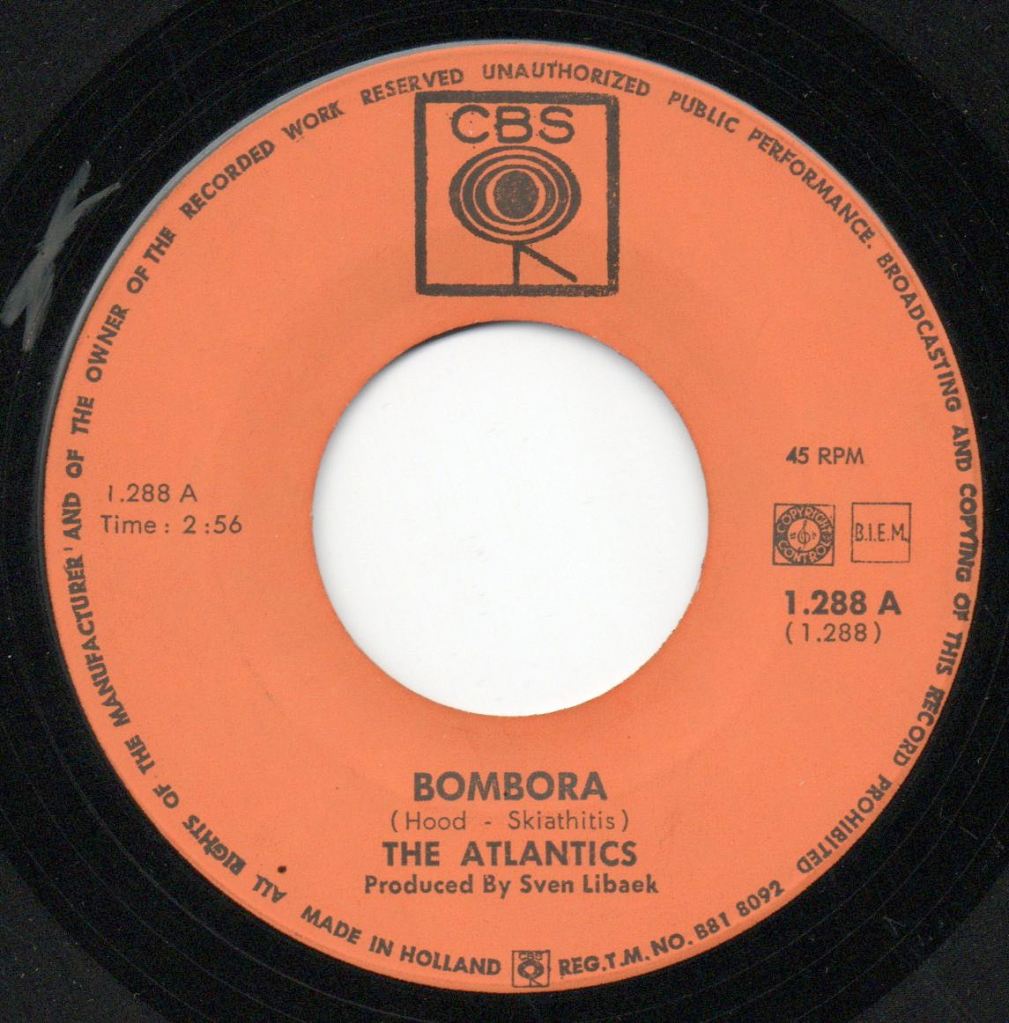
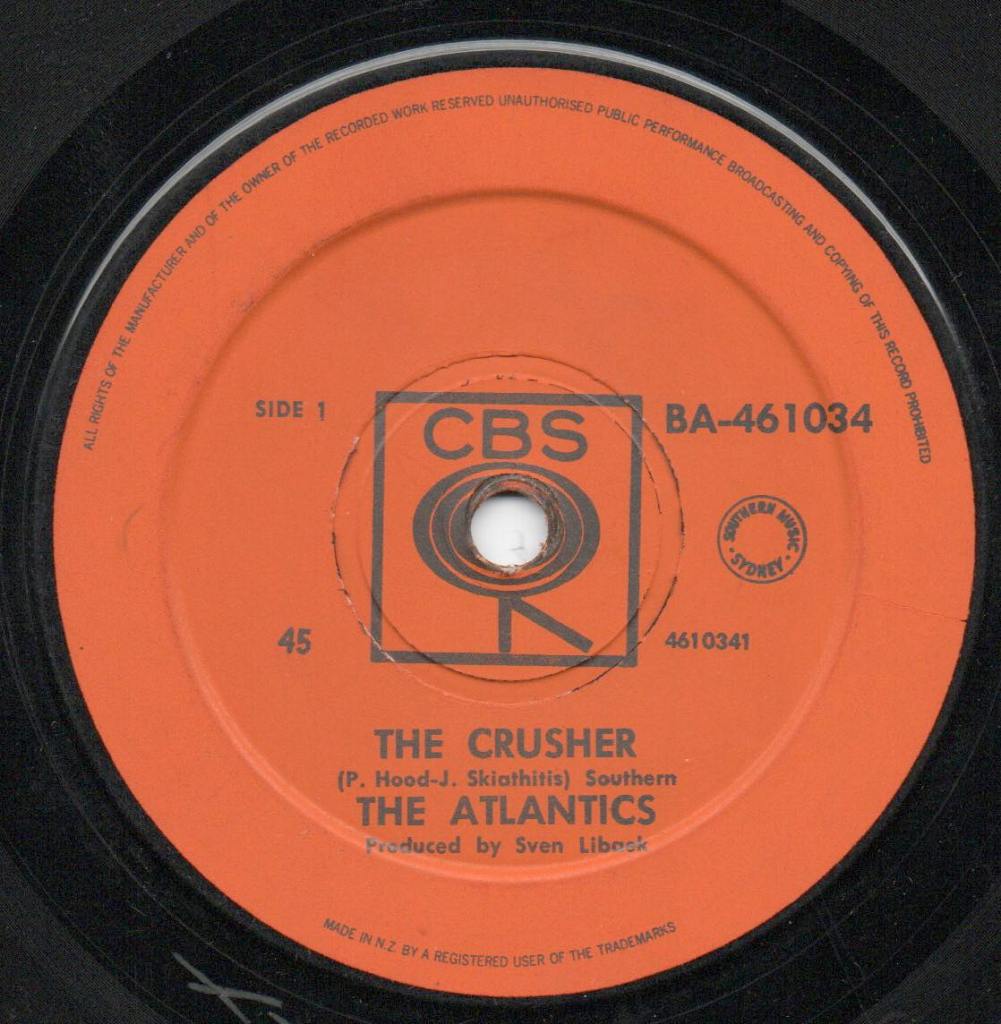
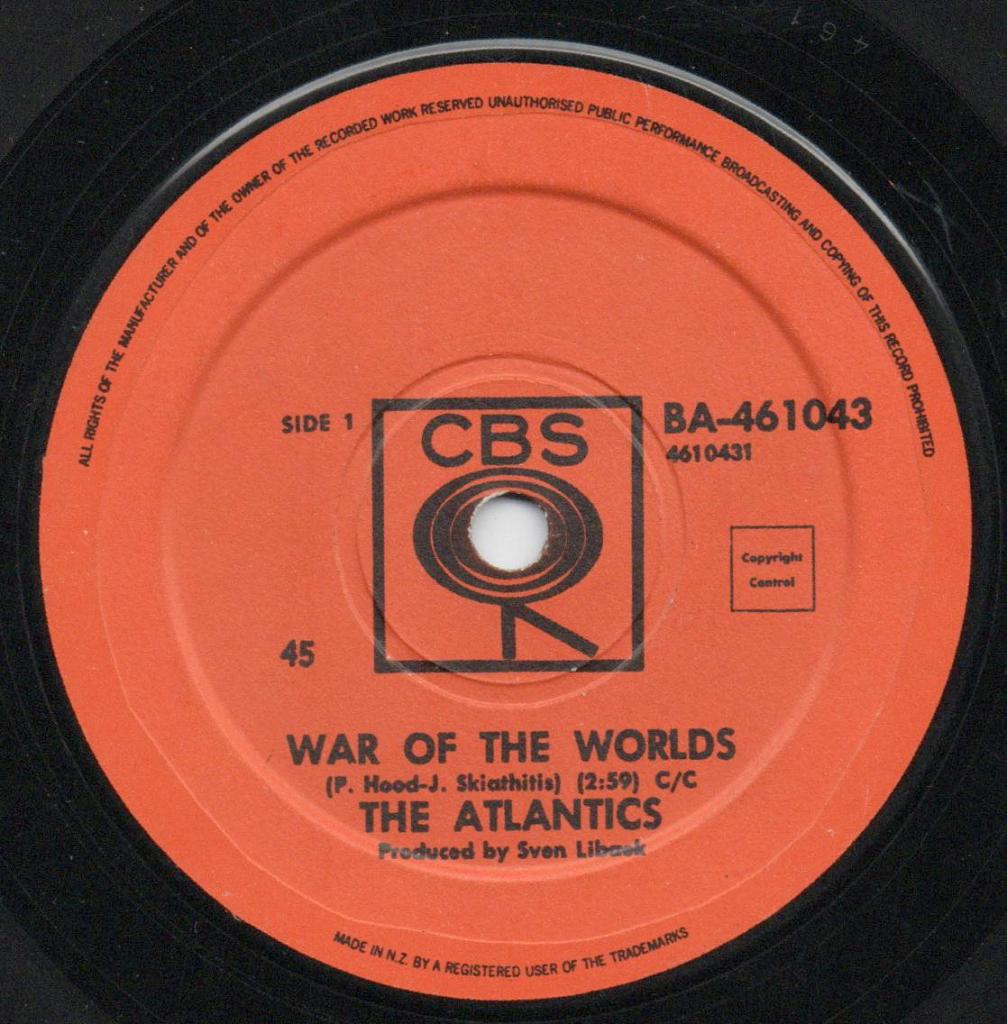
According to the website discogs.com, there ave been about 40 different acts that have called themselves ‘The Atlantics.’ The Atlantics that we are concerned with today was a fantastic surf band from Australia. We’ve heard a couple of Atlantics records in previous GO Mechanisms, but today we’ll tell their story. The band’s guitar-driven instrumentals explode with excitement. Obviously influenced by the British group The Shadows, The Atlantics would build on that and often work their instruments in unconventional ways—much like The Yardbirds in 1965. The Atlantics were formed in 1961 and began issuing records two years later. The group’s first single, “Moon Man,” didn’t do so well, but the second, “Bombora,” went to the top of the Australian pop charts in 1963. Also, it was released in several markets around the world—including the U.S. We started The Science Corner with the song. Bombora is an indigenous Australian word for dangerous waves—thus they thought of themselves as a surf combo—of which there were many in Australia at the time. The Atlantic’s next single was “The Crusher,” another reference to dangerous surfing conditions. This record was modeled after “Bombora” but has a hot drum break in the middle. The third track we listen to in The Science Corner is “War of the Worlds.” This is a science fiction mini space opera: it builds to a peak when the martians invade then changes tempo a few times. The guitars are employed in a way that became more popular during the psychedelic era that followed. The record was issued in the U.S., but some dipshit at Columbia Records edited more than a minute out of it for domestic release! The full Australian version is heard in The Science Corner.
- Ted Auletta & His Orchestra—Voodoo Moon (Enlloro) (from LP Exotica; Cameo)
- Lee Dresser—El Camino Real (Amos)
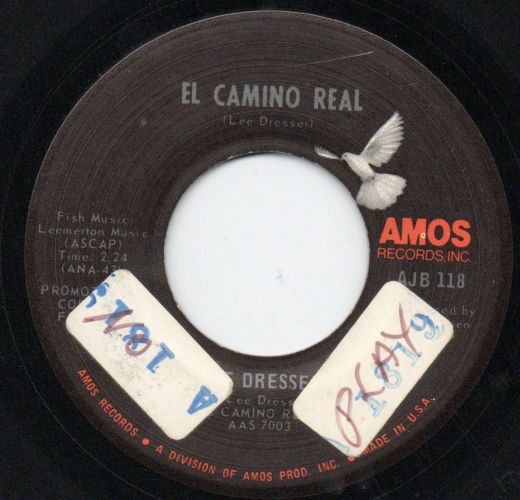
Lee Dresser began his musical career as a Rock’n’Roll singer in the Kansas City area around 1957 when he formed The Krazy Kats right out of high school. His early records, such as “Beat Out My Love” and “Wiggly Little Mama” are cool rockabilly records that were issued around 1960 or so. In 1967, Dresser was drafted and served in Viet Nam. After his discharge in 1969, he settled in Los Angeles to further his music career. He cut a folk/rock/pop album in the vein of those Johnny Rivers “Live at the Whiskey A’ Go-Go” records. Dresser’s album had a few bright moments—one of them being “El Camino Real.” When the record didn’t burn up the charts, he became a guitarist in the touring bands of several well known, mostly country, acts and played in small clubs in the San Fernando Valley. During the eighties he returned to Kansas City and reformed The Krazy Kats to play around the Midwest. He died of leukemia in 2014.
- Brass Rail—Do the Penguin (Part 1) (Buddah)
- Manuel Villanueva y su Orquesta—El Estereophonica (from album Cumbias y Gaitas Famosas 3; Discos Fuentes; Colombia)
- Barbara Lewis—Break Away (from album The Many Grooves of Barbara Lewis; Enterprise)
- Charles Mingus—Original Faubus Fables (edit) (from album Charles Mingus Presents Charles Mingus; Candid)
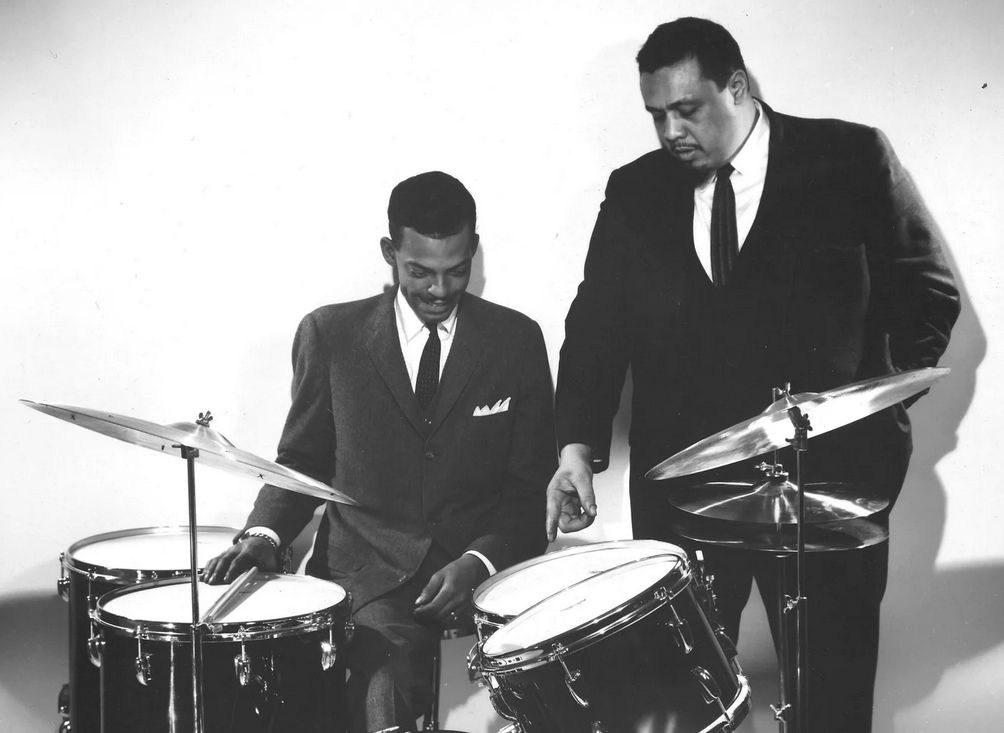
This Charles Mingus composition was origiinally recorded in 1959 for his album Mingus Ah Um. However, his record company (Columbia Records) wouldn’t let him use the politically charged lyrics that mocked the then-governor of Arkansas, Orval Faubus, who wouldn’t allow nine black teen agers to attend a white high school in Little Rock. It took direct intervention by the president—Dwight Eisenhower (the last decent Republican president)—to allow the kids into the school. After his contract with Columbia was over, Mingus recorded the song with the lyrics, a call and response between him and drummer Dannie Richmond. In order to get to the point, the GO Mechanism producers have edited out the solos so that only the important vocal parts remain.
- The Golden Cups—Love Is My Life (Capitol; Japan)
- Guem—Foret Vierge (from album Percussion; Le Chant du Monde; France)
- —spoken—Jack Kerouac—excerpt from Subterraneans
- Culture—Two Sevens Clash (from LP Two Sevens Clash; Joe Gibbs Record Globe; Jamaica)
- Bo Diddley—Crawdad (Checker)
- Steve Reich—Four Organs (& Maracas) (excerpt from LP Three Dances & Four Organs; Angel)
- —spoken—Oweinama Biu—Pity the Nation (Lawrence Ferlinghetti after Kahil Gibran)
- Booker T & the M.G.’s—Wang Dang Doodle (from album Booker T & the M.G.’s Play the “Hip Hits”; Stax/Ace; UK)
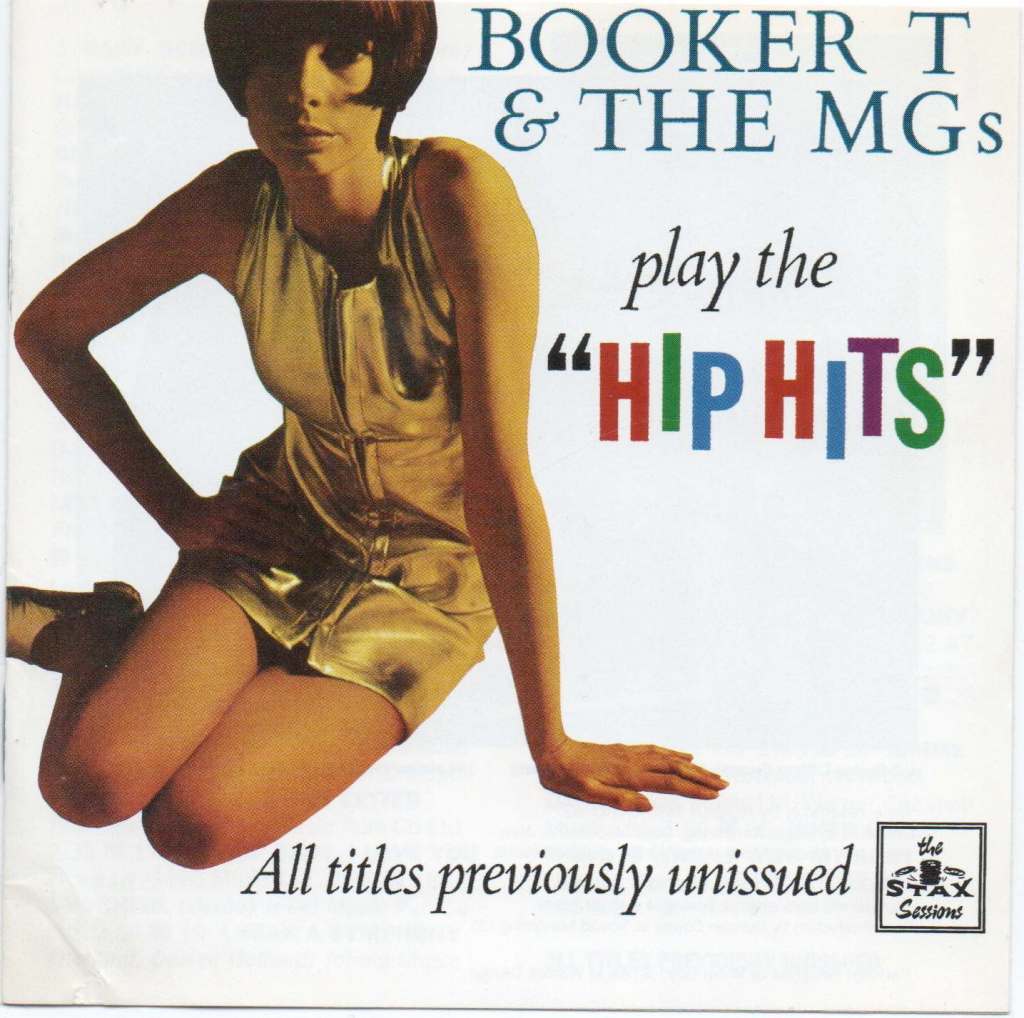
During the nineties, British record company Ace Records went through the old Stax Records tapes and issued a bunch of stuff that had never been released before. One of the best things they did was assemble this Booker T. & the M.G.’s album called Hip Hits, where the band covers songs that were popular during the sixties. All 25 tracks are good; in fact, this may be our all-time favorite Booker T. & the M.G.’s album, with the group’s version of “Wang Dang Doodle” being a stand-out. Some of Steve Croppers best guitar playing is right here—and it sat on a shelf in Memphis for about thirty years before anyone could hear it!
- Millie Small—Carry Go Bring Come (Fontana; UK)
- Claude Righi—Machine (Riviera; France)
- The Road Runners—Road Runnah (Falsted)
- Curtis Mayfield—Freddie’s Dead (GO edit) (from LP Superfly; Curtom)
- The Atlantics—Come On (Sunshine; Australia)
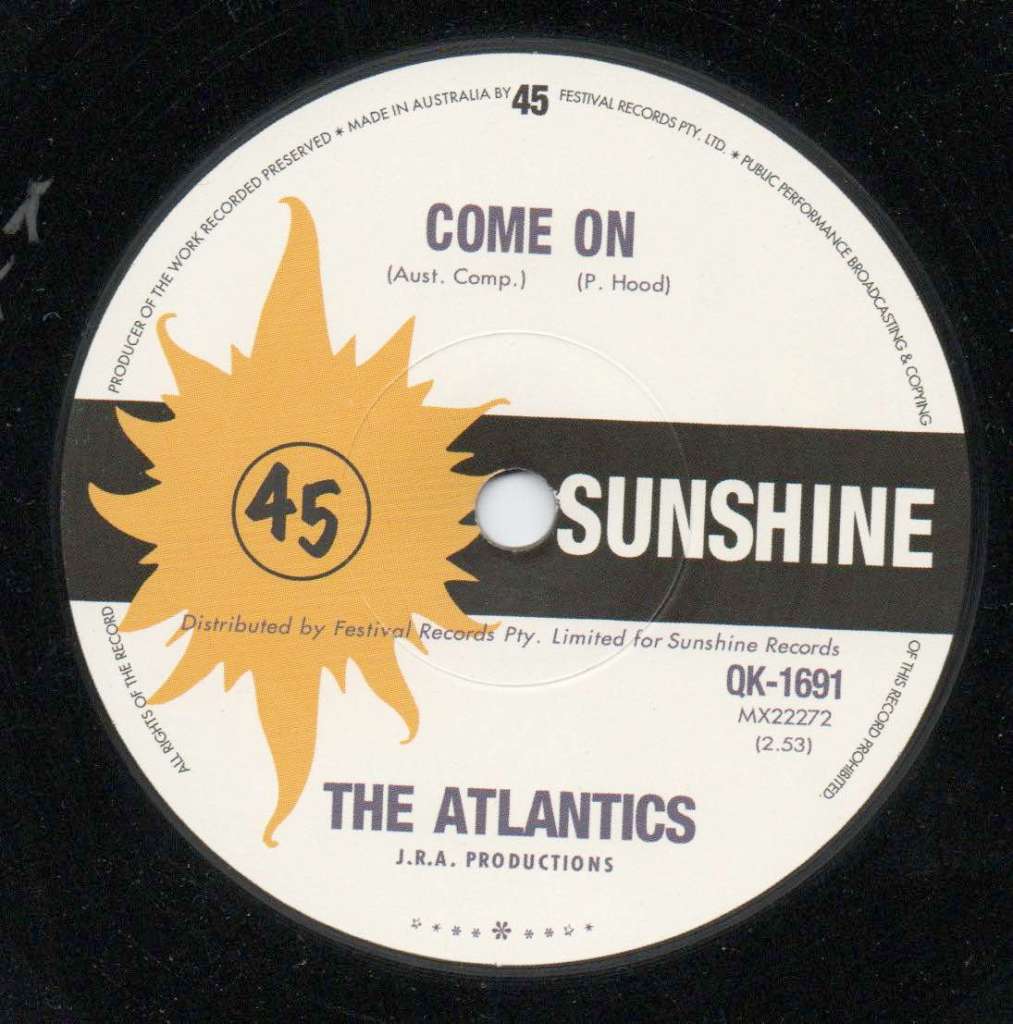
In 1965, instrumental music was going out of fashion and the subject of today’s Sciene Corner, The Atlantics, decided to reinvent themselves. They added a singer, Johnny Rebb. Rebb was already a rock star in Australia having released several hit singles starting around 1959. After he joined the group, Rebb released some solo records backed by The Atlantics, and also sang on actual records by the group. In 1967, they cut a version of The Beau Brummels’ “You Tell Me Why” and the flip side was this song, “Come On,” an extremely great example of Ausie freak beat; we end this GO Mechanism with this fabulous record.
Once again, we thank the Luxuria Music folks for sponsoring The GO. The GO Mechanism producers ask each of you to go to Luxuria Music and find out how you can help support them. They have a lot of cool trash available in their online store. We urge you to get as much money as you can, stuff it into a shoe box and send it to Luxuria Music. Do it today.
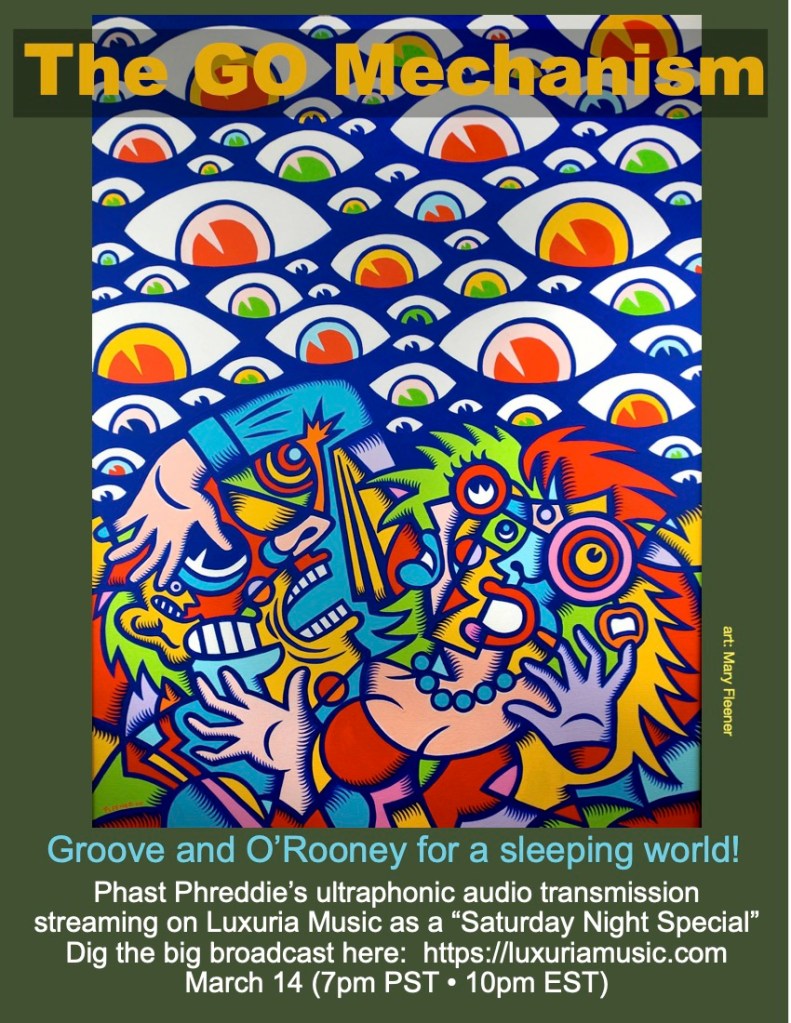
Also, we’d like to thank the excellent cartoonist Mary Fleener for allowing us to use one of her images for our graphic. We have known Ms. Fleener since the early seventies when she was dating (and eventually married) the guitarist of the great proto-punk rock band The Imperial Dogs. Her art is amazing—some of it can be seen on her facedog page. Find out more about her HERE, HERE and HERE.
If you missed the original airing on Luxuria Music, you can find it as a podcast on its website [ RIGHT HERE—after it airs] for a few weeks, and then it will be posted in the Mixclouds and accessible below.
 boogaloobag