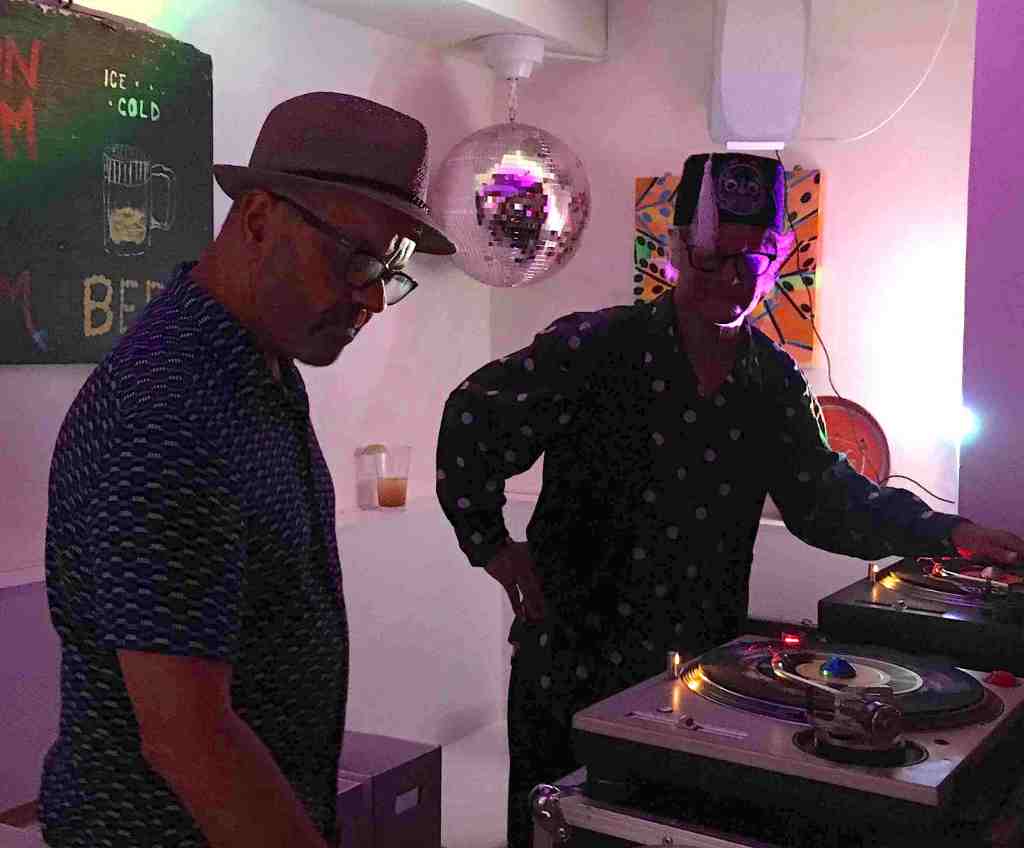
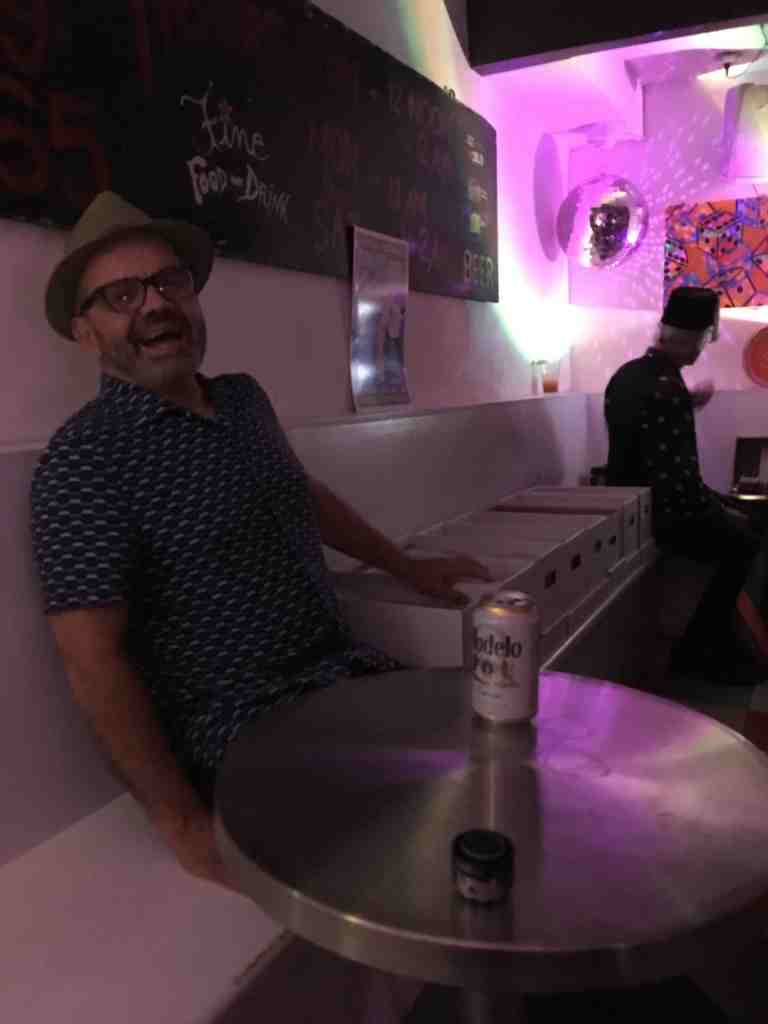
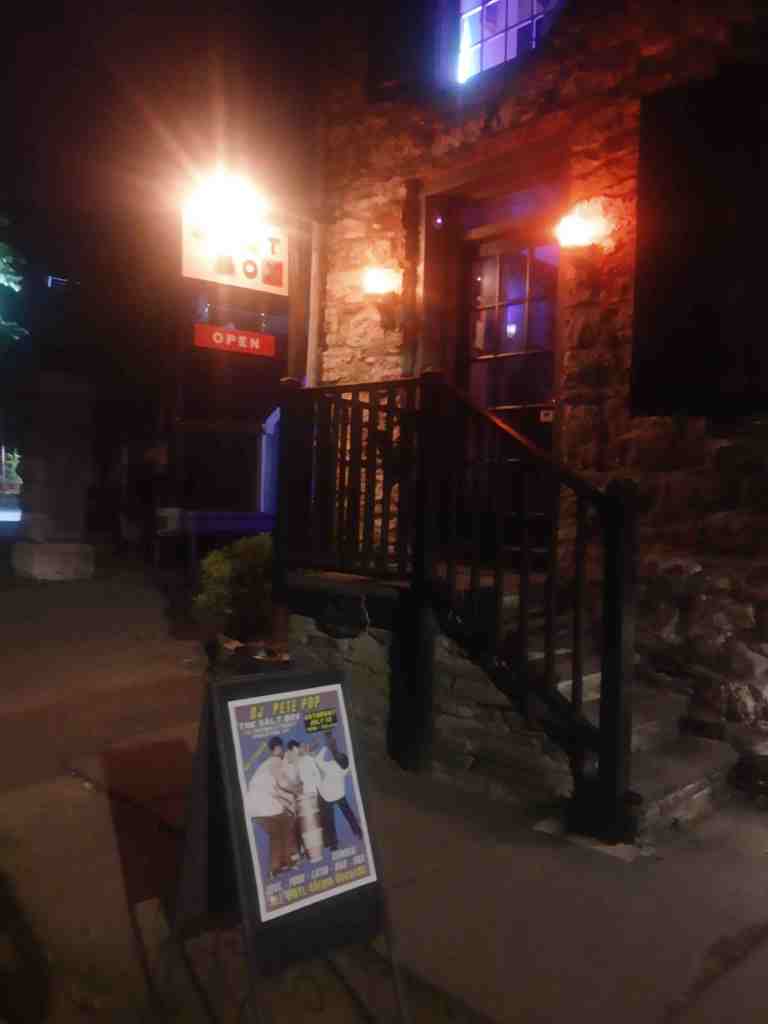
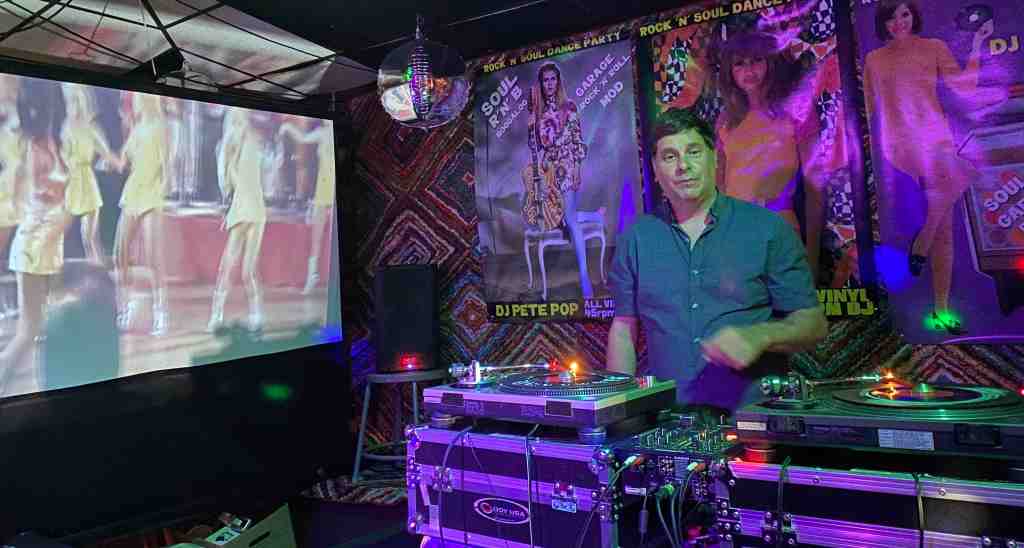
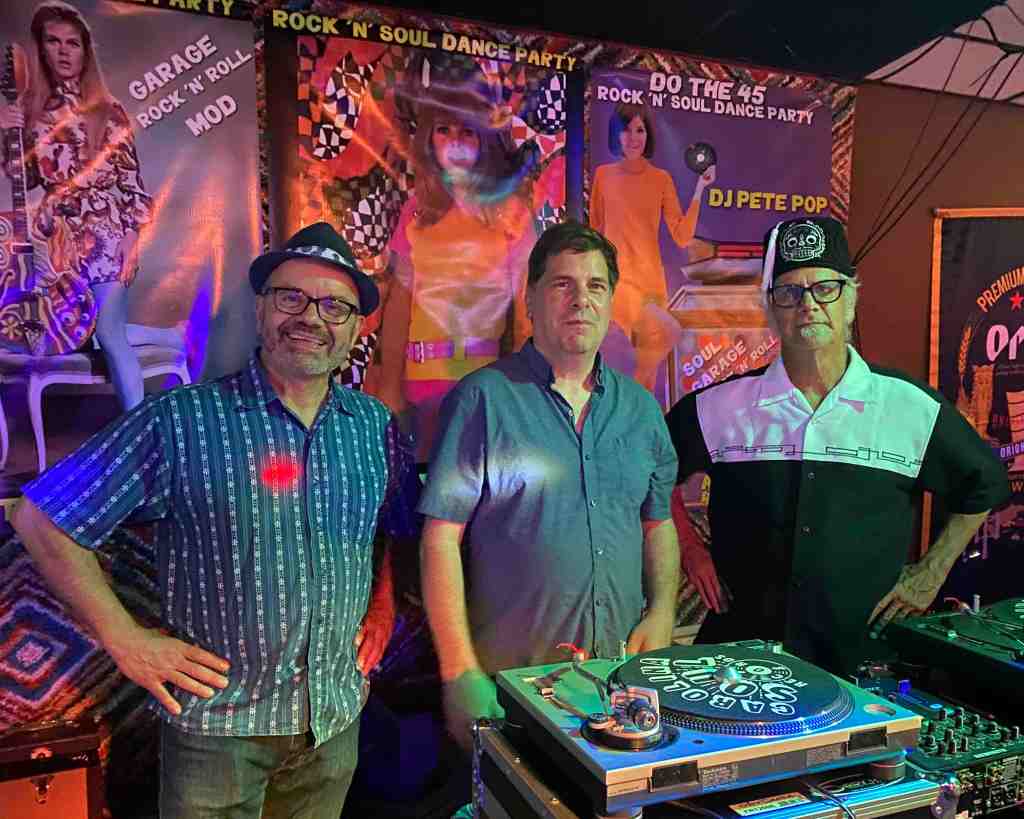
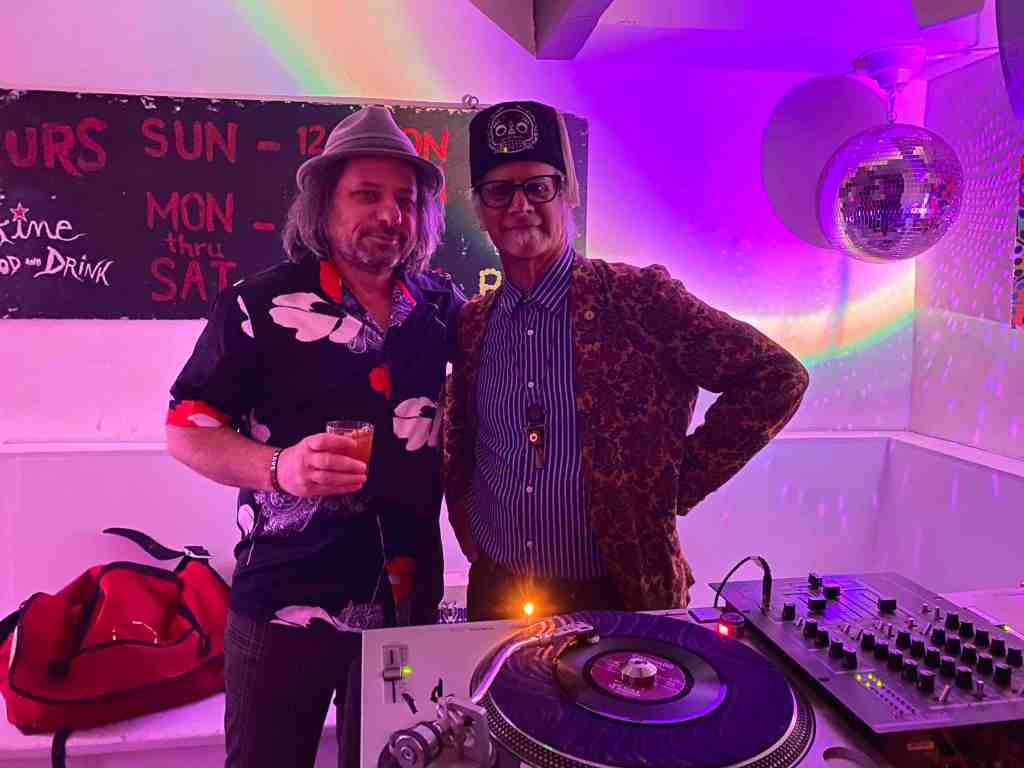
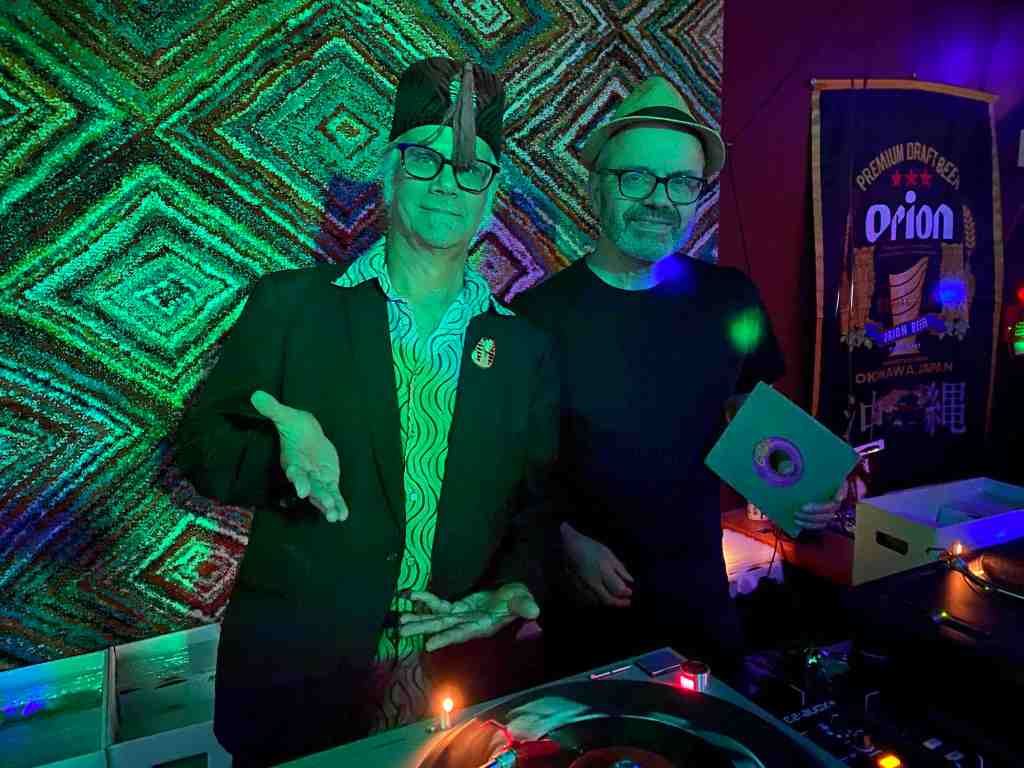
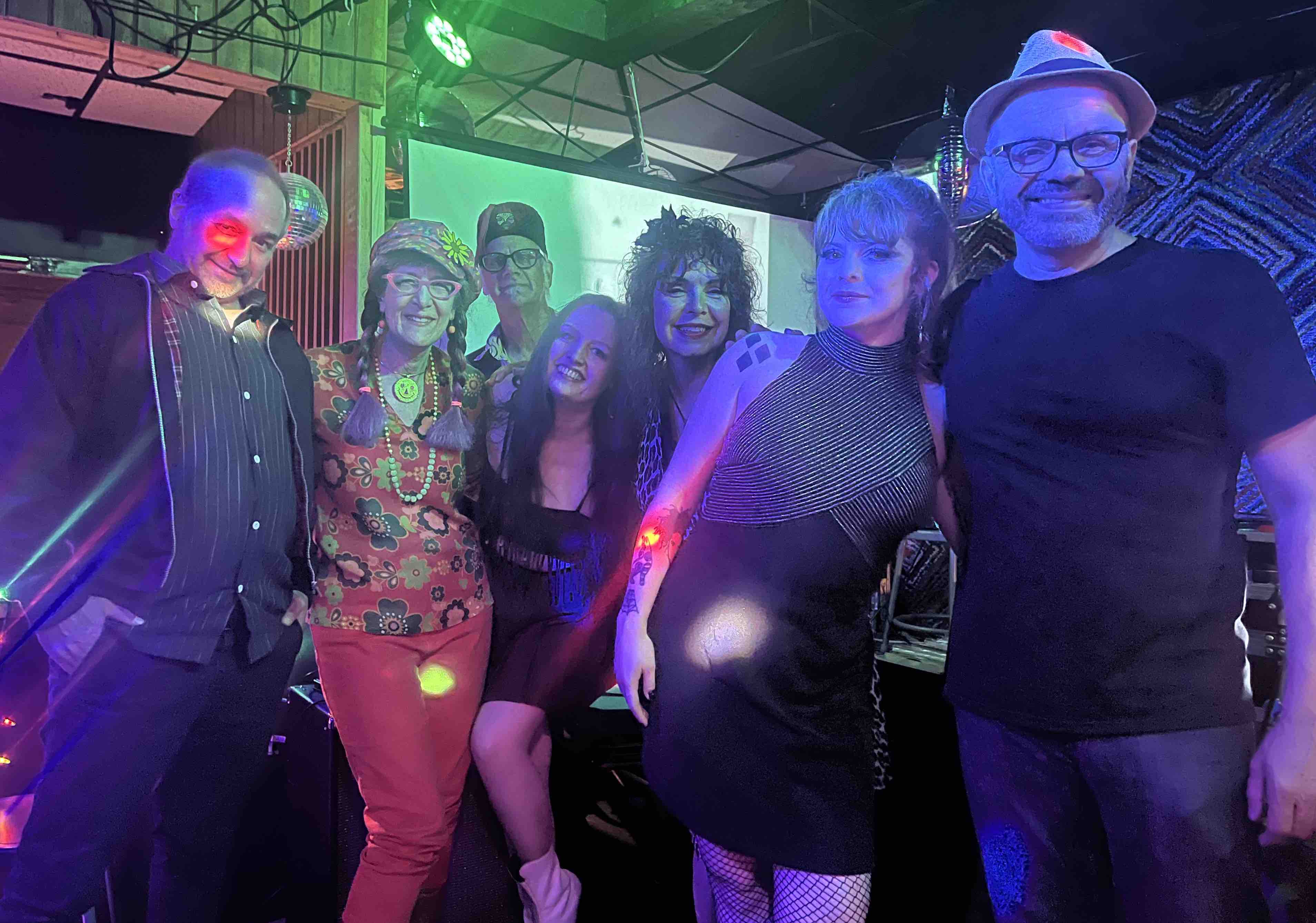
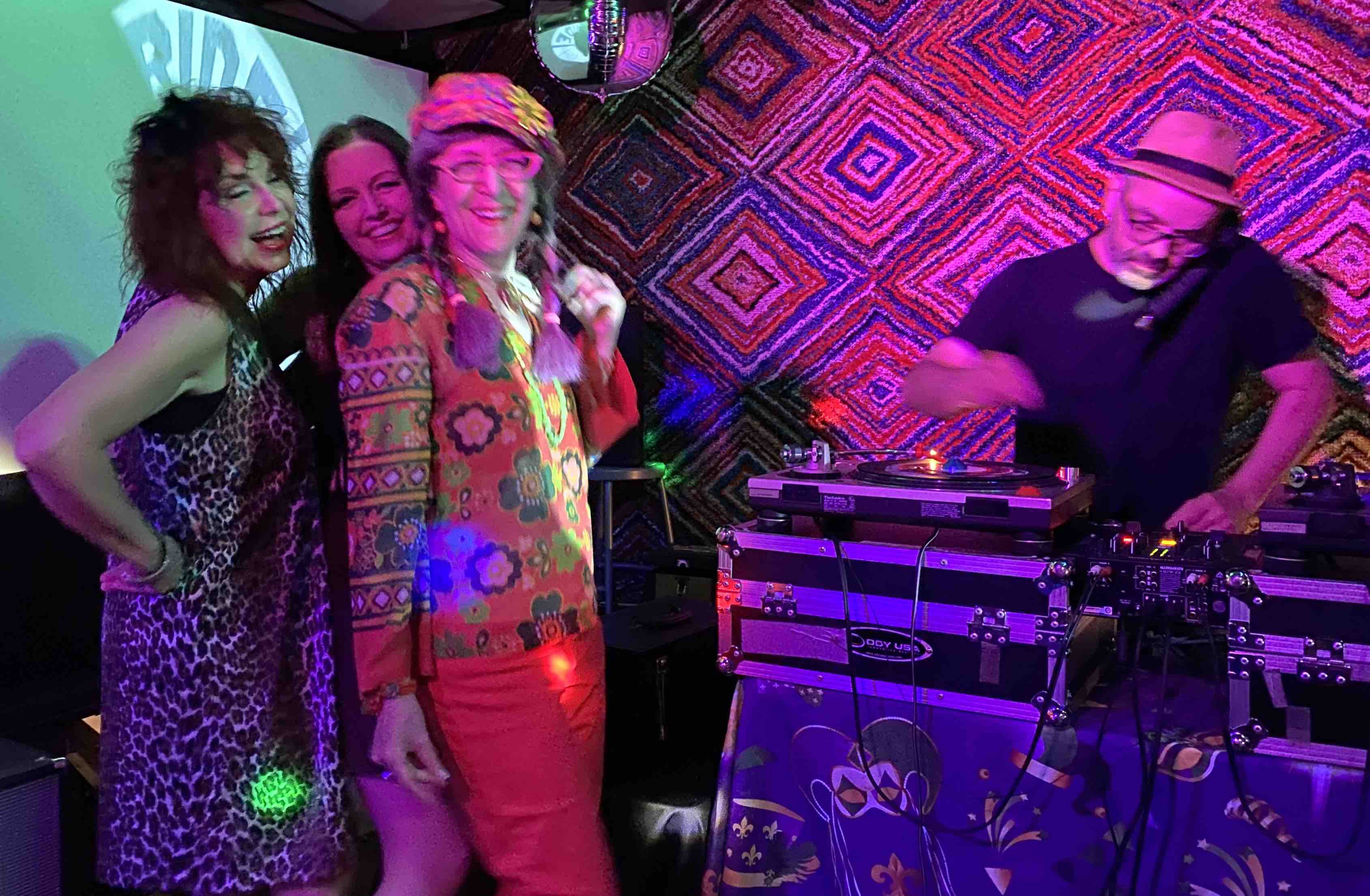
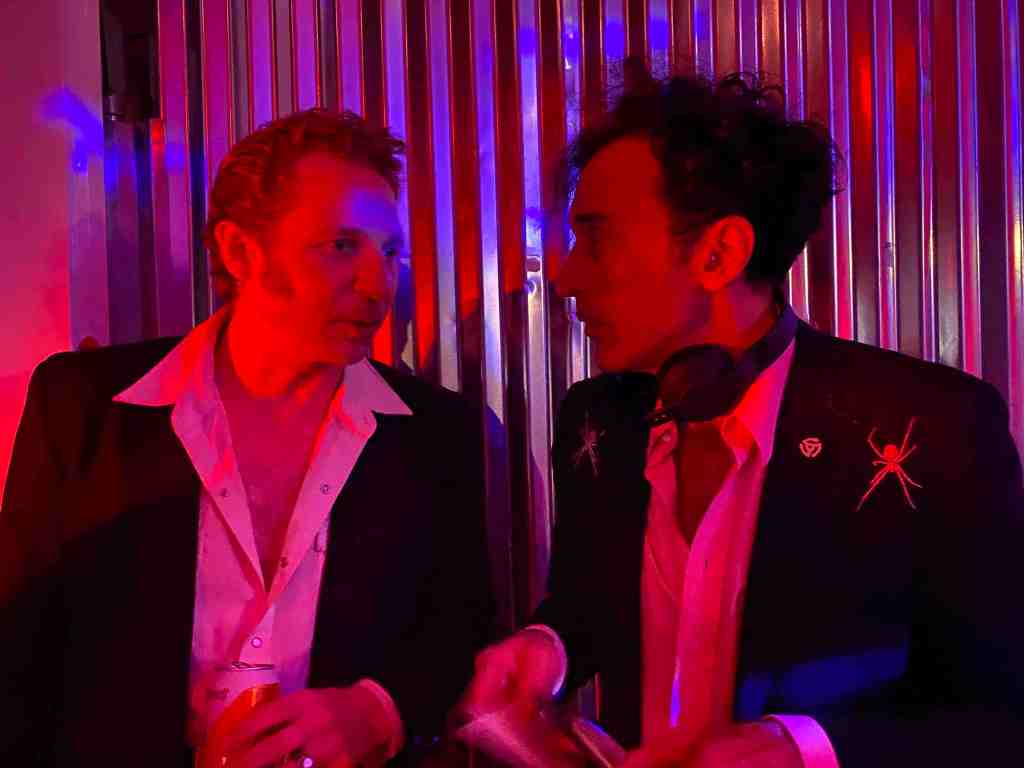
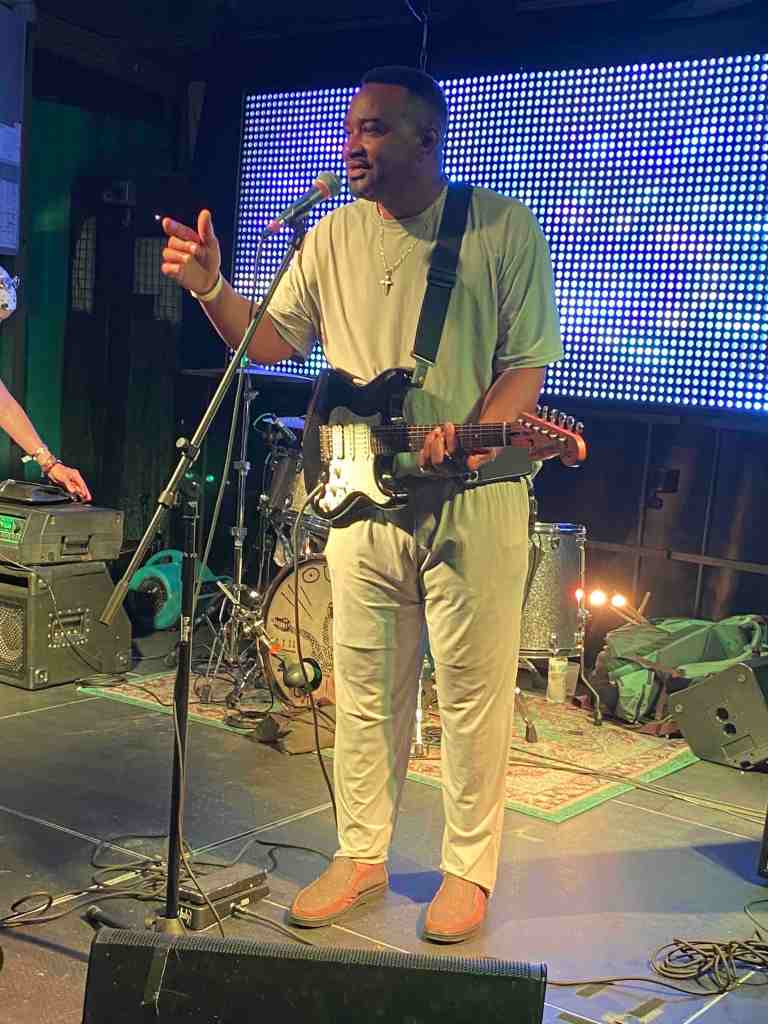
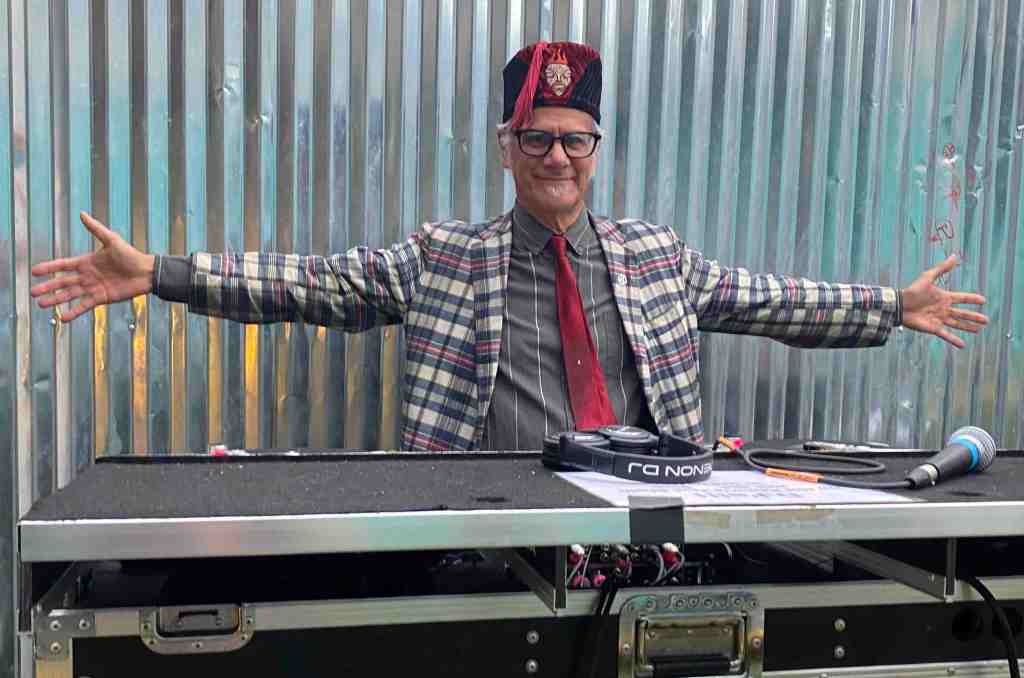
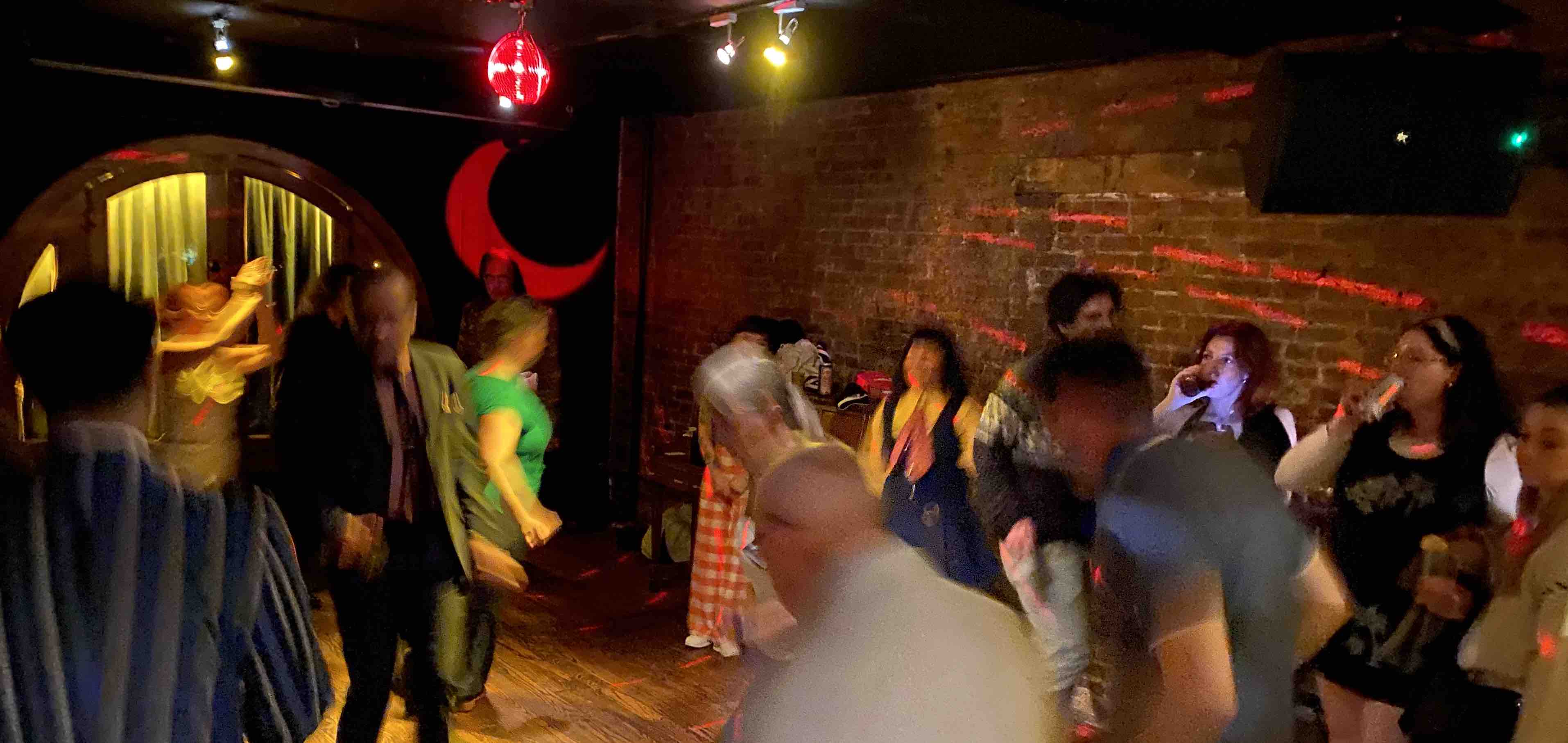
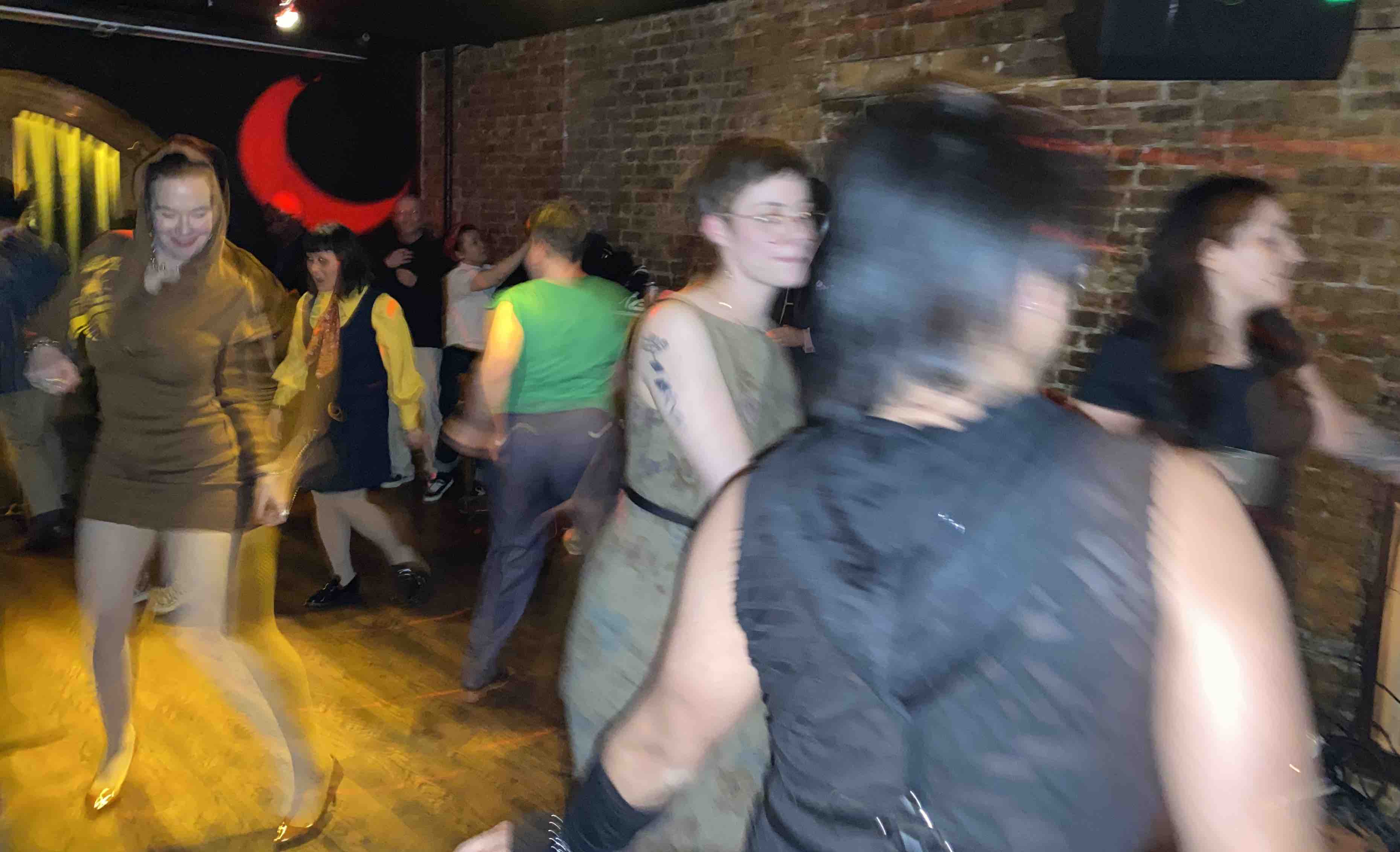
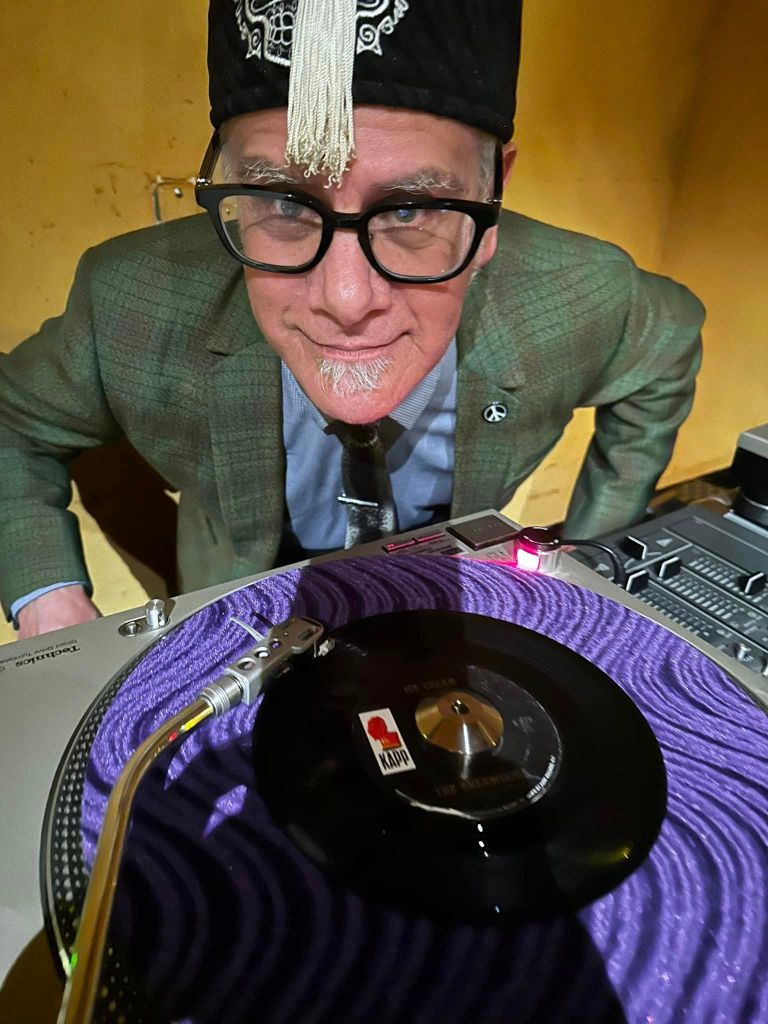
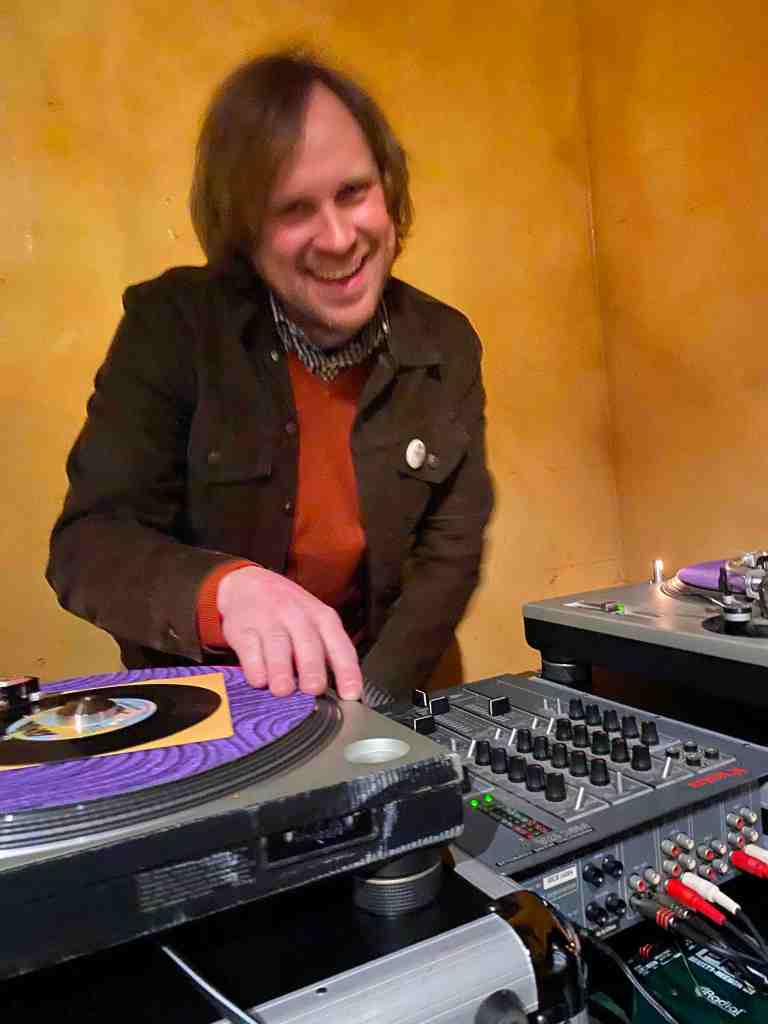
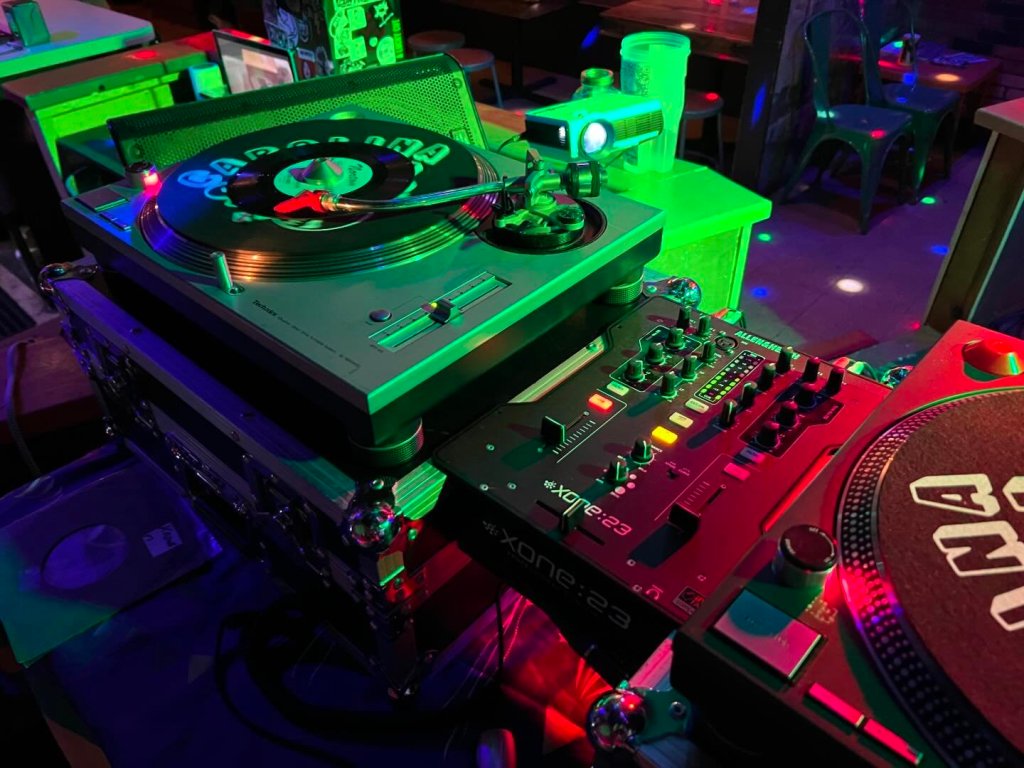
On Monday July 8th, DJ Pete Pop contacted The Salt Box in Kingston and asked if there was an opening for him to come DJ. He hadn’t been there in over a year and everybody felt it was time he returned. The nice people at The Salt Box told him they actually needed a DJ that very Saturday night—the night after Do The 45!
Mr. Pop is not one to turn down an opportunity to play his fine records to an appreciative crowd. He accepted—then he enlisted Phast Phreddie the Boogaloo Omnibus to spin with him for this very special Shingaling!
DJing two nights in a row! Man, the Phast One hasn’t done that since moving out of Brooklyn about four years ago! But what the heck, let’s swing while the swingin’ is good, right?
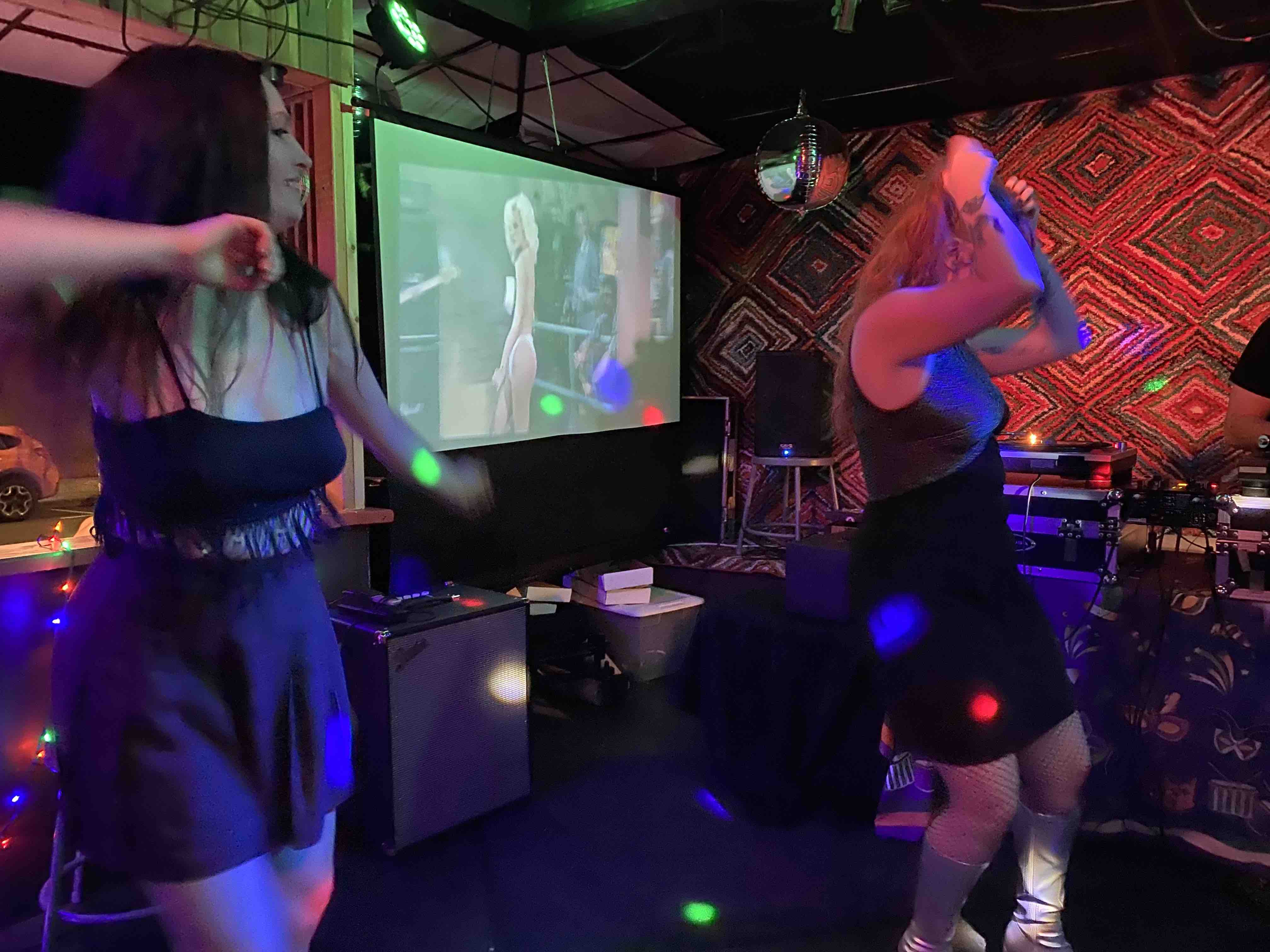
The Phast Man was just at The Salt Box a couple of weeks ago—with his dynamic Funky Kingston hustle. He meant to play records that he wouldn’t play at Funky Kingston, but for some reason, he played a LOT that could easily have been played at the Funky Kingston. Ha! Whatever, it was a gas and it is always special when Pete Pop and Phast Phreddie get together to spin records. For most of the night, these two were at the turntables spinning every other record, and did so until management forced them to stop around 3:00 AM!!
Miss Nancy contributed by supplying everyone with her fudge and vegan brownies.
The evening went so well, that Mr. Pop got asked to come back to The Salt Box. If things go according to plan—and what does, these days?—Pete will be there on the first Saturday of the month hosting a shebang he may call The Shim Sham Shimmy! Watch out for that. Very possible that Phast Phreddie the Boogaloo Omnibus may be riding shotgun on some of these gigs.
Here’s a list of all the records played by Phast Phreddie the Boogaloo Omnibus at The Salt Box Shingaling:
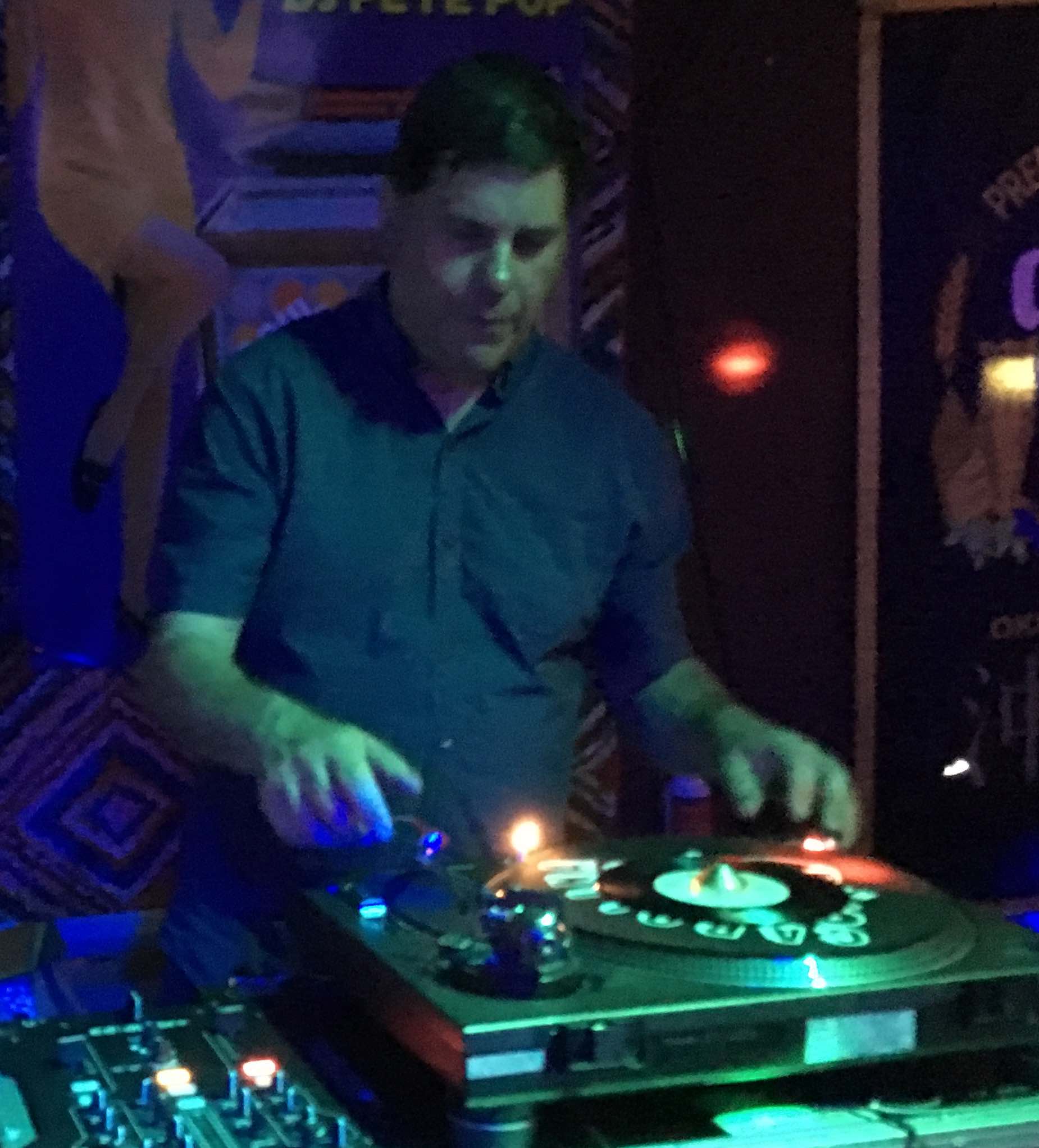
Chris Bishop of Garage Hangover swings at Do The 45!
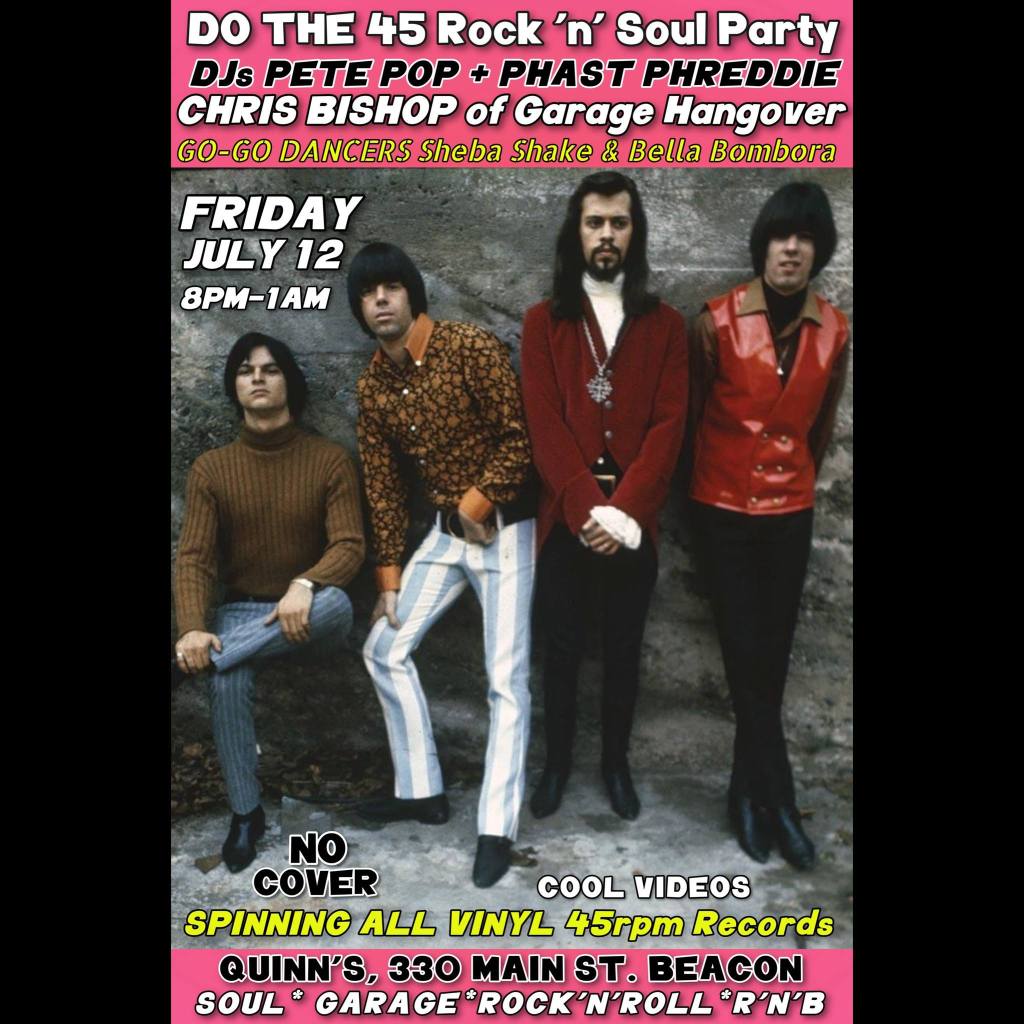
The July 12th Do The 45 shindig at Quinn’s was an extra special affair. We celebrated the 20th Anniversary of Garage Hangover, the ultimate on-line Garage Rock source of information by inviting its host Chris Bishop to come and spin a few records.
Garage Hangover is jam packed with information about sixties rock bands—most of which sprung up in the wake of The Beatles climb to fame. The website features photos, bios, discographies, itineraries and other such information. Posts on the website allow for comments, and often the comments are from actual members of the bands or their friends and fans. It’s mind-boggling the amount of detail can go into a post regarding a band that may have made one or two independent singles about 60 years ago!! Dig this post regarding The Galaxies IV as an example.
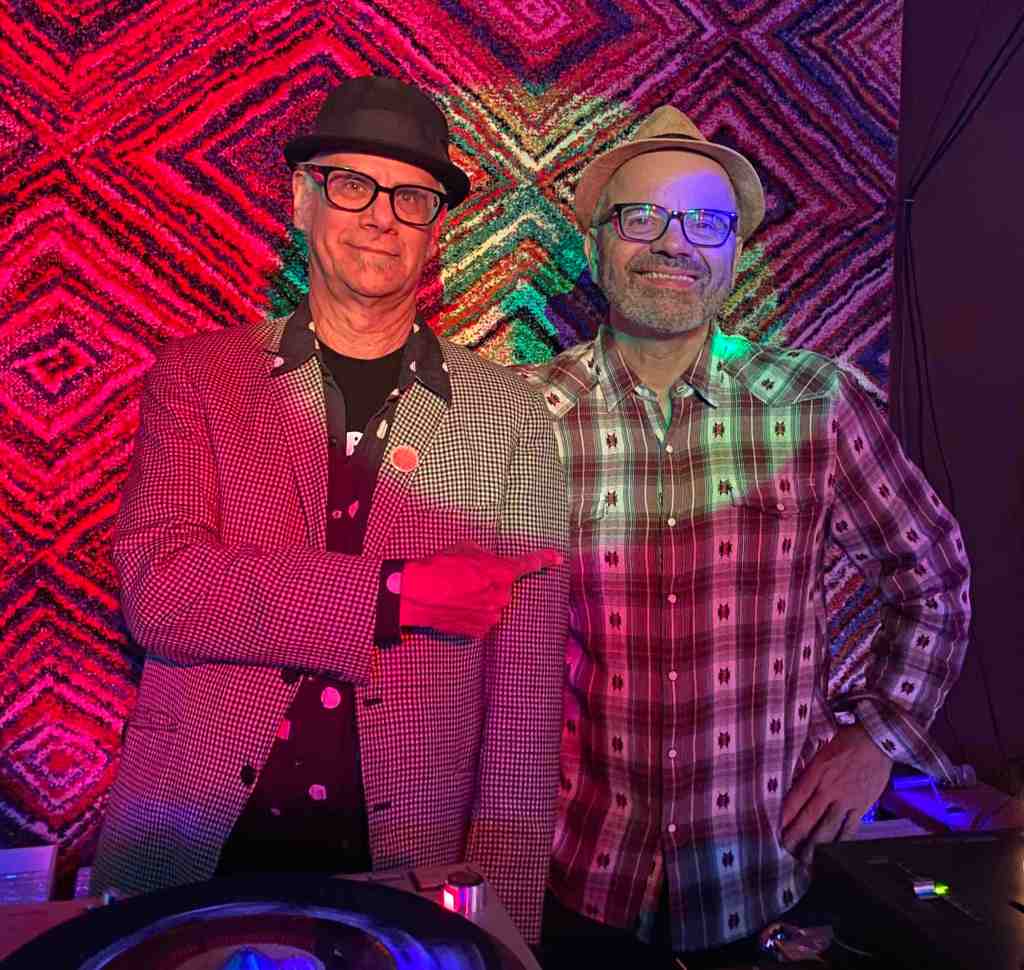
Pete Pop, Chris Bishop, Phast Phreddie the Boogaloo Omnibus!
Meanwhile, back at Quinn’s—Beacon’s famous rock’n’ramen club—Mr. Bishop played some remarkable records. Of the dozens of boss records he played, The Boogaloo Bag writers could only recognize a handful of them. This guys knows his stuff, that’s for sure.
Do The 45 host DJ Pete Pop was right there with him. Mr. Pop is also a connoisseur of Garage Rock records and he played some fantastic platters. In fact, at one time, Mr. Bishop turned to The Boogaloo Bag writers and said, “Man, Pete Pop just played about $5,000 worth of records in 20 minutes!!!” Mr. Pop played one of The Boogaloo Bag writers’ favorite records: “I’ll Be In” by The Answer. It’s a record we had back in the seventies but lost it due to a… well it’s a long, sad story!
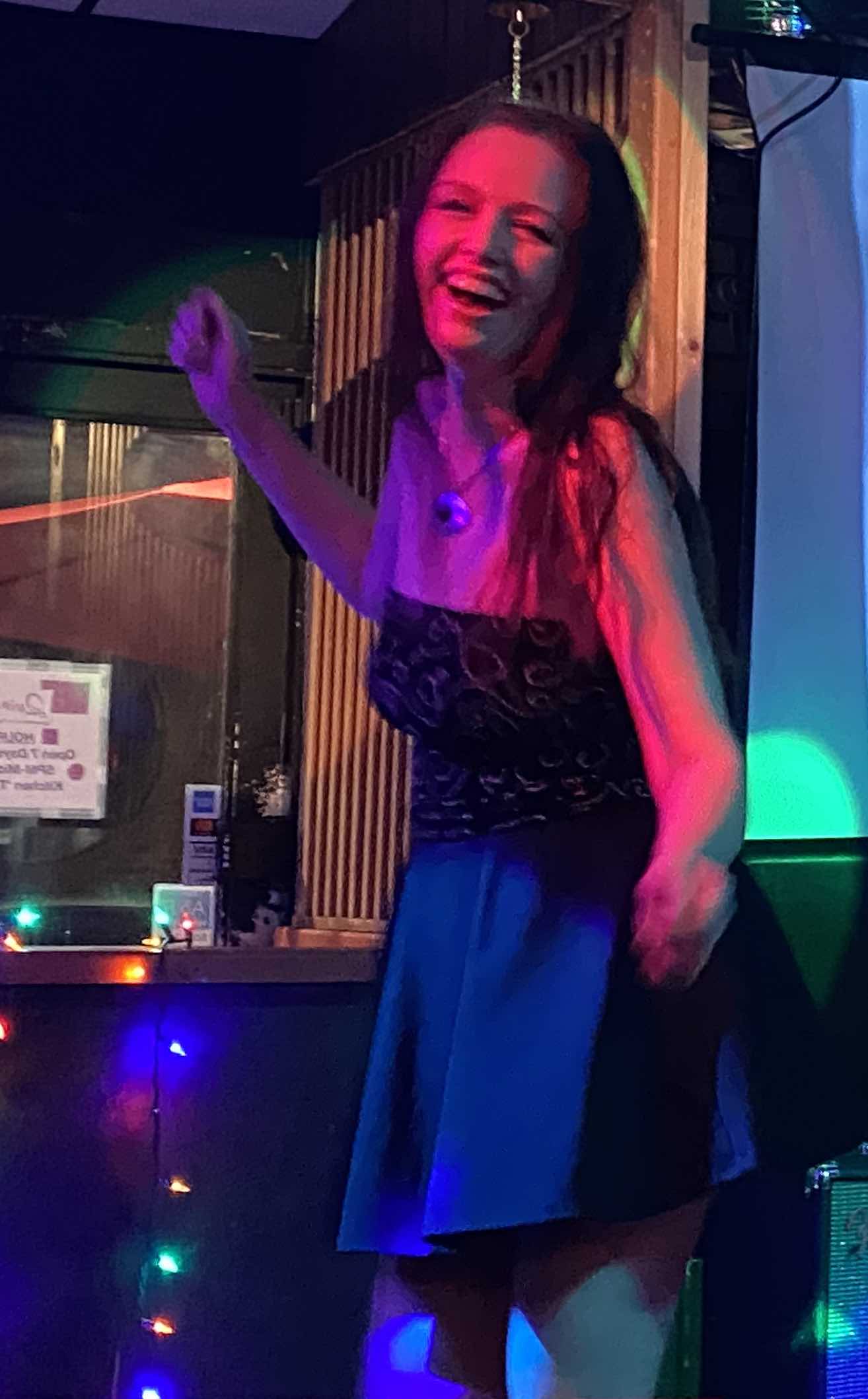
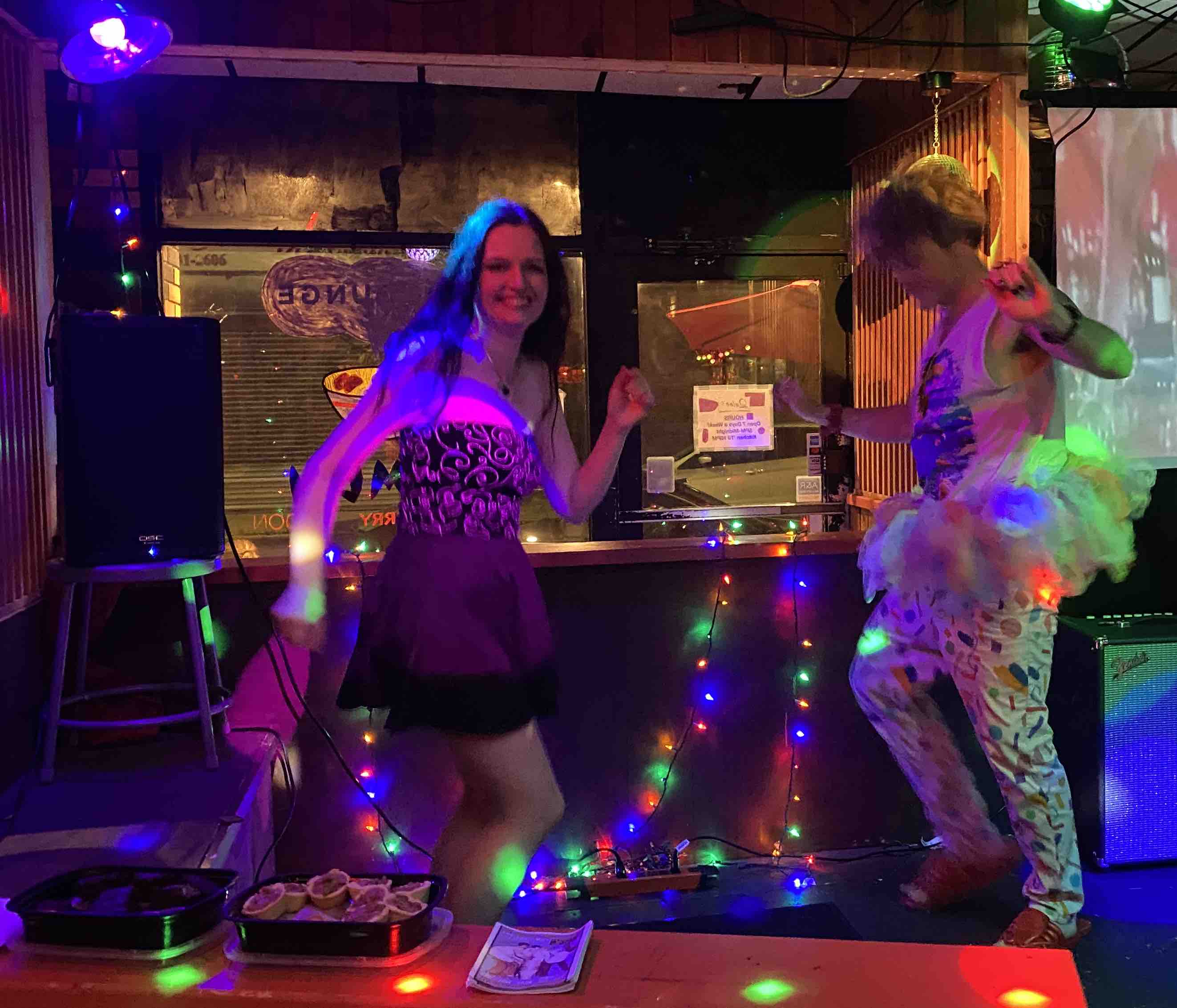
Miss Nancy was on hand with her yummy vittles: pecan tassies and vegan brownies. Plus, Go-Go dancers Sheba Shake and Bella Bombora were in full effect! Plenty of friends were on hand and the event was a total success. With any luck, Chris Bishop will bring his boss records back to Do The 45 again real soon. Let’s not wait for the 30th anniversary of Garage Hangover!!
For his part, Phast Phreddie the Boogaloo Omnibus played about $60 worth of records in about an hour and a half!! Here’s a list of all of them:
On June 29, The Funky Kingston returned to The Salt Box in Kingston, NY. Funky Kingston is the fabulous DJ night concocted by Phast Phreddie the Boogaloo Omnibus and it features all sorts of funky music—including mambo and reggae. The event takes place on the fifth Saturday of the month, when there is one.
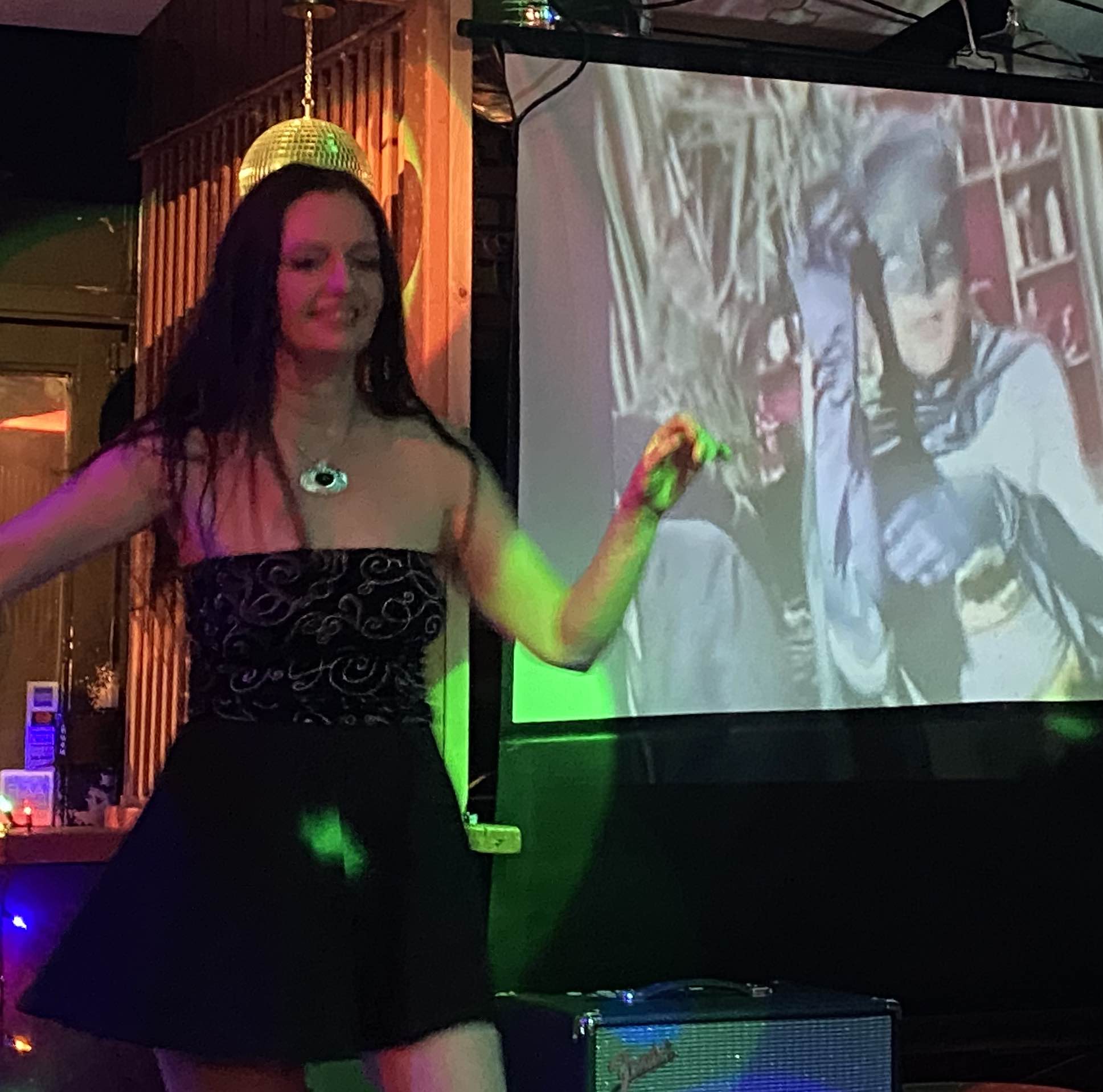
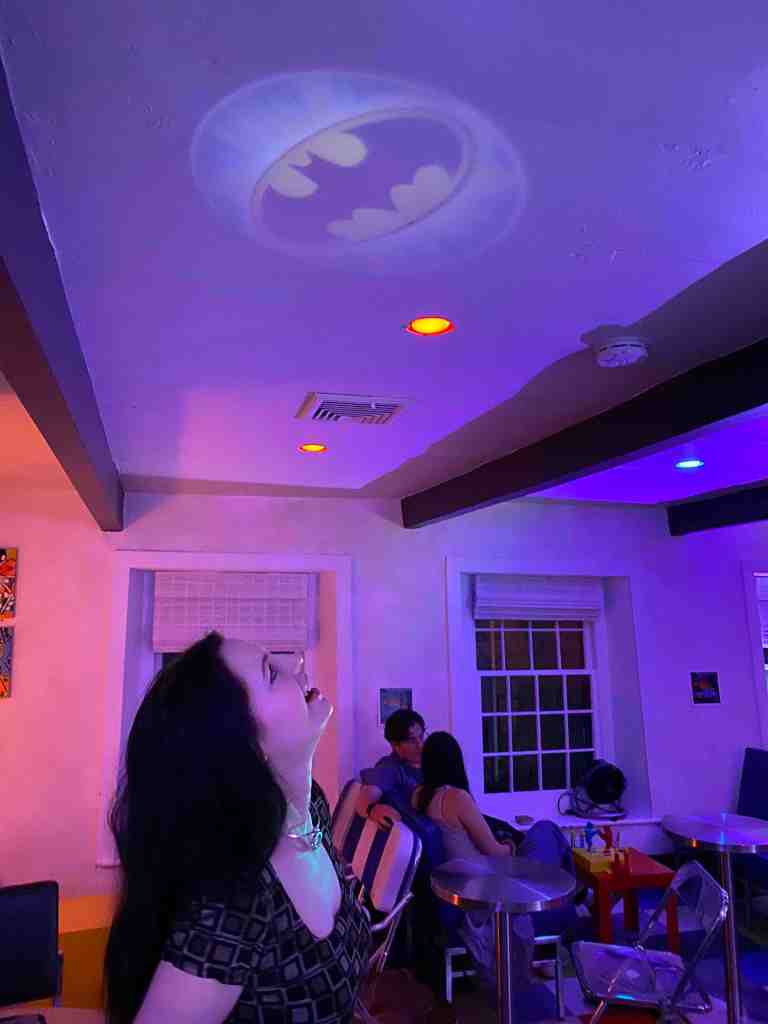
Miss Nancy observes the Bat Signal!
Miss Nancy’s treats: no-bake chocolate/peanutbutter cookies and vegan brownies.
On this particular night there was a special guest DJ—$mall ¢hange. He is a cat who has been fighting the good fight of the DJ wars in New York City for about three decades. A few years ago, he moved up to Hudson and so he’s now a local DJ we can turn to. This guy has some fantastic records and was not shy about playing them!
$mall ¢hange and Phast Phreddie the Boogaloo Omnibus swing at Funky Kingston!
The Salt Box regulars dug the music so much, that management has asked the Funky Kingston to be a little more regular. The people at Boogaloo Omnibus Productions are negotiating to see if this can happen. Meanwhile, the next Funky Kingston will take place on August 31. Don’t you dare Miss It.
Phast Phreddie the Boogloo Omnibus pulled out a few good records, too. Here’s a list of the ones he played:
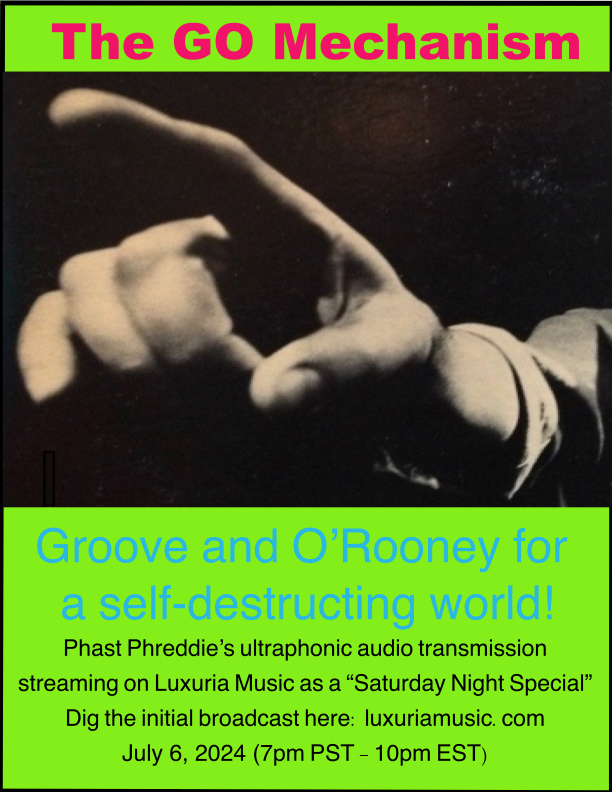
Welcome to another exciting adventure of The GO Mechanism with your host, Phast Phreddie. The GO Mechanism is an audio odyssey scientifically engineered and programed in the secret laboratory of Boogaloo Omnibus Productions incorporating ultra-phonic techniques not available to other broadcast entities. The G stands for GROOVE, and there is always plenty of GROOVE in each GO Mechanism. The O stands for O’ROONY, an intricate and complex attitude that is incomprehensible to those who possess standard-issue precepts. Listen and you will hear.
The GO Mechanism is first aired on the Luxuria Music web streaming hustle as a Saturday Night Special. It will then be available as a podcast on the Luxuria Music web site for a few weeks, then it will sit in that limbo called the Mixclouds. This one will air on July 6 at 10:00 PM East Coast time and 7:00 PM for our California friends.
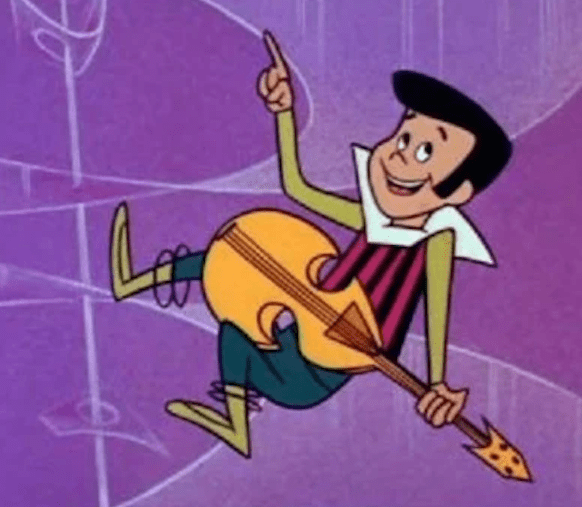
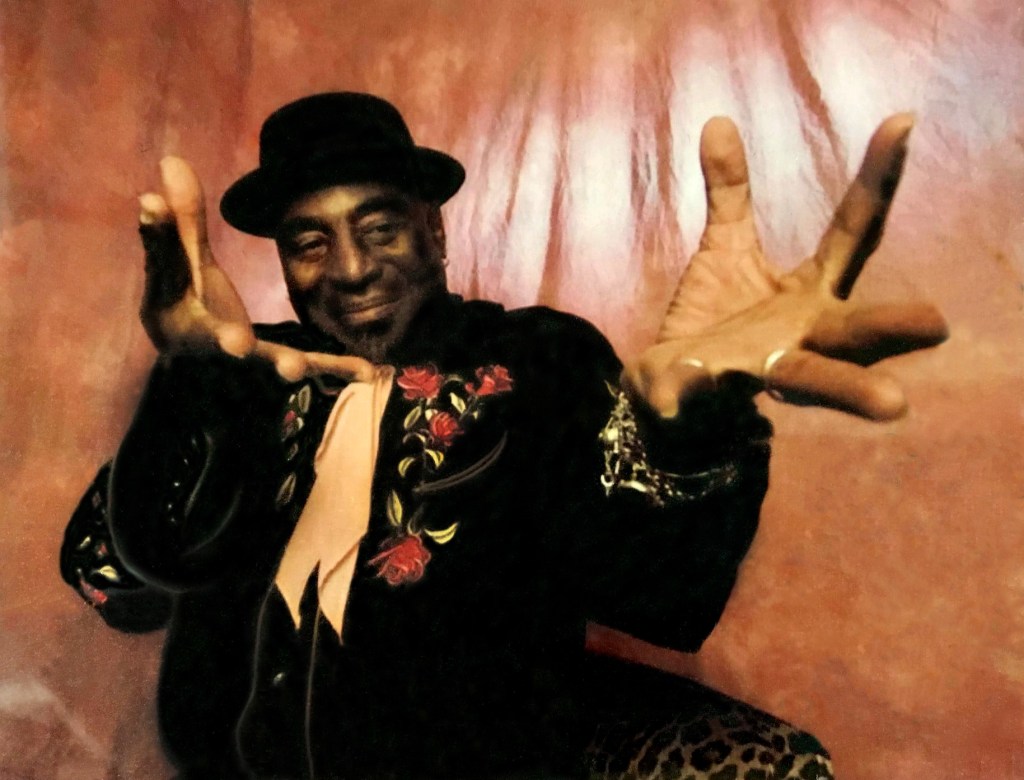
In order to achieve total comprehension of this GO Mechanism, it is strongly suggested that the listener follow along with this blog post. Here you will find a complete track list of the songs played on the show, information regarding some of the songs, hyper links to other boss trash and some groovy graphics.
An hour into the GO there will be a Science Corner—a segment of the trip where we discuss a topic of musical importance. This Science Corner we will listen to three songs originally written and recorded by The Beach Boys, but performed by other artists.
In the early sixties, The Beach Boys were one of the biggest musical acts in America. So big, that when the group’s record company Capitol Records was asked by its associated record company, EMI in England, if it wanted to release records by this new group called The Beatles, Capitol felt they didn’t need another rock group. Thus, early U.S. releases by The Beatles were issued on several other labels before Capitol smartened up.
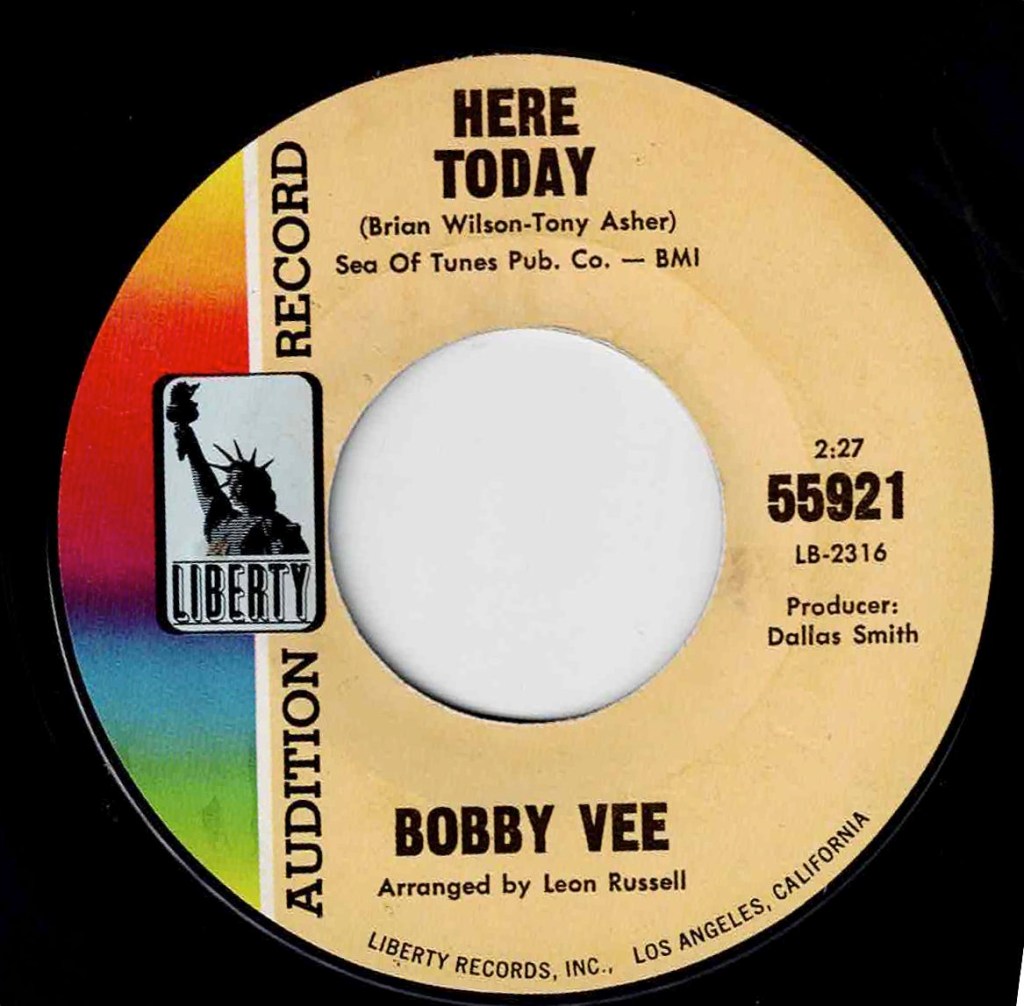
First up is a version of “Here Today” by Bobby Vee. Vee was a teen idol of the sixties. He had a bunch of hits on the radio, including “Devil or Angel,” “Rubber Ball,” “Take Good Care of My Baby” and “The Night Has a Thousand Eyes.” The arrangement of his version of “Here Today” is by Leon Russell and it doesn’t stray far from the original—it’s mostly sped up with a subtle new horn arrangement. It’s very possible that many of the Los Angeles session musicians who played on the original track played on this one as well. Vee’s version was probably recorded soon after the release of Pet Sounds, The Beach Boys album on which the song originally appeared. If any of the musicians on that version worked on the Vee version, they were probably able to ace it in the recording studio pretty quickly. As good as this version is, the single flopped entirely, not making the Top 100 at all. However, Vee’s next single, “Come Back When You Grow Up Girl,” was one of his biggest hits. Go figure!
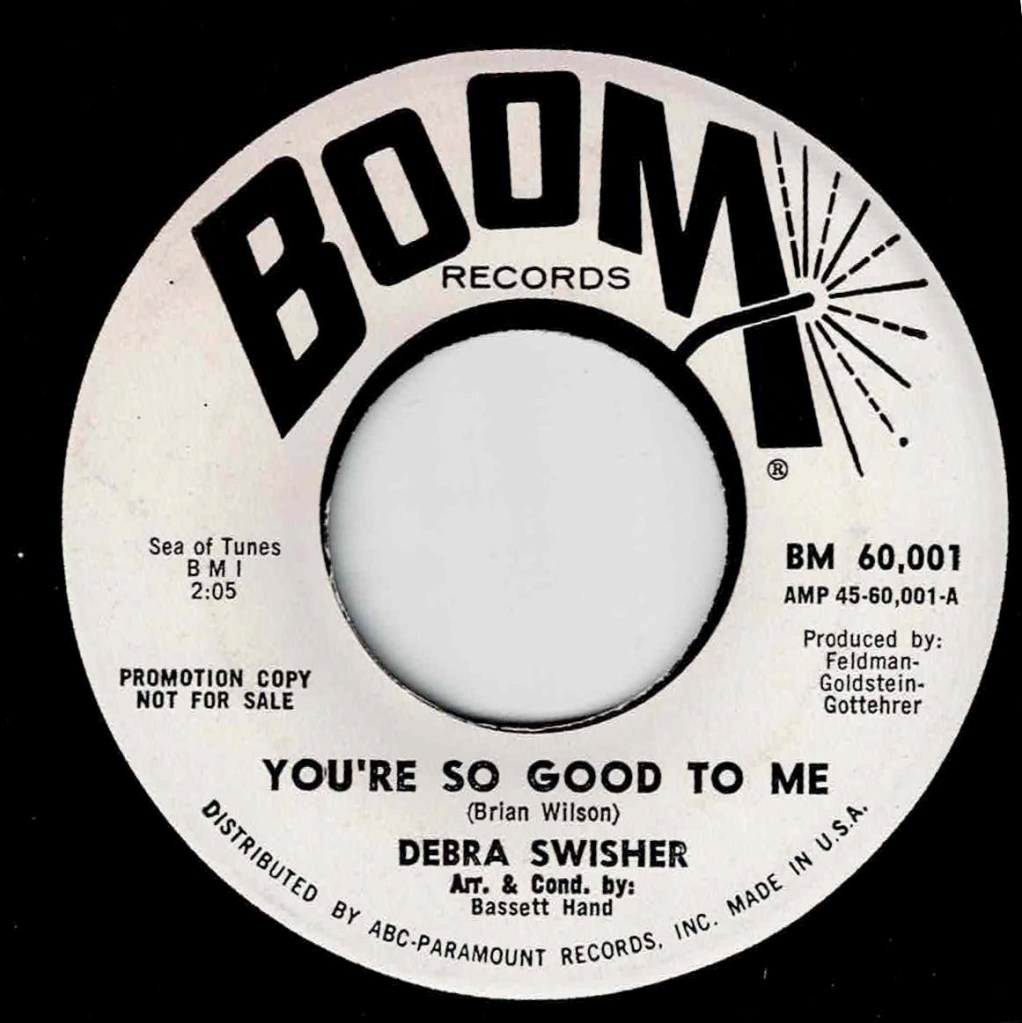
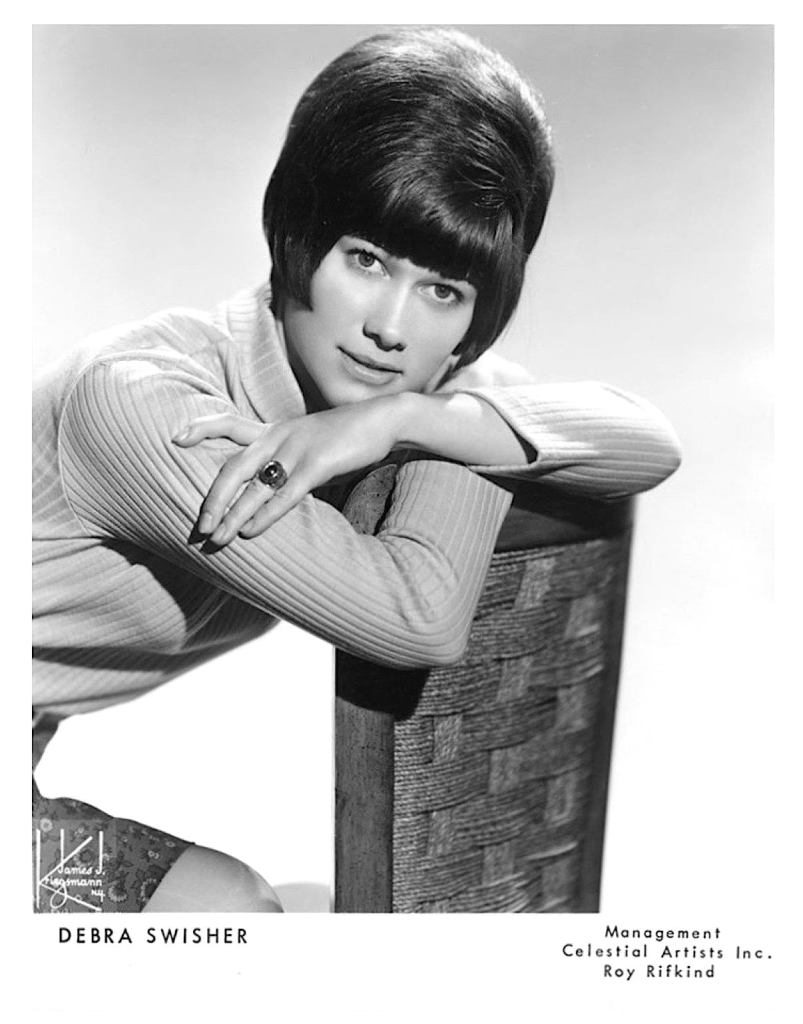
Debra Swisher was one of The Pixies Three, a teen pop girl group from Hanover, Pennsylvania—a sleepy town more than two hours west of Philadelphia. They had a few minor hits in 1963. When the group graduated from high school, only Debbie Swisher continued with music. Around 1966, she came to the attention of Bob Feldman,Jerry Goldstein and Richard Gotteher, a trio of songwriters/producers who recorded as The Strangeloves, and who liked to make records with a big, booming drum sound. Swisher’s version of “You’re So Good to Me” is no exception. Once again, the tempo is accelerated and the production is just a step or two below a Phil Spector-styled wall of sound. It’s a really boss record. Most likely it is The Strangeloves connection that facilitated Swisher becoming one of The Angels around 1967 when that girl group recorded for RCA.
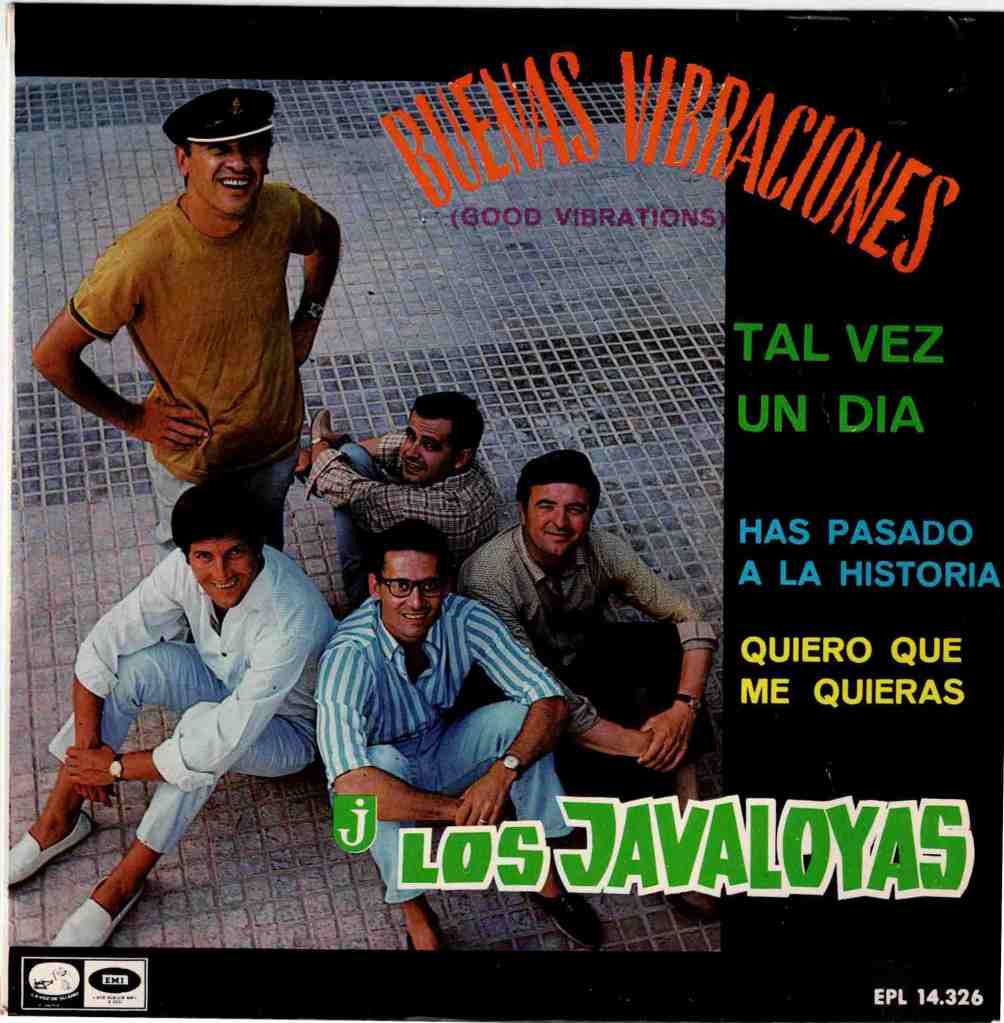
Our third Science Corner selection is by a group from Spain called Los Javaloyas. The group recorded “Good Vibrations” and sung it in Spanish as “Buenas Vibraciones.” Los Javaloyas was formed in the early fifties in Valencia, but soon moved to the island of Mallorca. The band was very popular and cut a lot of records—especially during the sixties. The repertoire consisted of mostly pop material, but the group would occasionally tackle a rocker—its version of The Spencer Davis Group’s “Gimme Some Lovin’” is also on the EP where we found “Buenas Vibraciones.” We like this Spanish version of The Beach Boys hit because of the sparse production. It is very likely that Los Javaloyas did not spend about six months in the studio recording it, as The Beach Boys did on the original.
GO Mechanism Number 23 starts out with five wailin’ instrumentals: two bebops and three R&Bs, though the last one is a sort of combination of both. In the jazz world, James Moody and Charlie Parker are quiet well known as bebop giants. Red Prysock, Bill Doggett and Joe Houston are all major R&B players. “The Eagle Speaks” appeared on Doggett’s On Tour album, but we pulled it off of a seven-inch stereo single that plays at 33 1/3 RPM. The song is named for Calvin “Eagle Eye” Shields, Doggett’s drummer who openly displays his talent on this track. Shields co-wrote the track with tenor saxophonist Clifford Scott. The fifth track is a clear example of bebop meeting R&B head-on: Joe Houston’s take on “Lester Leaps In.” Houston made his money with a string of honkin’ and jumpin’ R&B stompers, but here he swings with a jam the boppers liked to play. “Lester Leaps In” was originally recorded by Count Basie’s Kansas City Seven in 1939. It was written by and featured saxophonist Lester Young, who was a hero to the bebop crew. Houston’s version was not issued until it was discovered in the nineties and issued on a compilation of mostly unreleased Joe Houstonrecordings compiled byBilly Vera.
During the sixties many pop acts were employed to sing commercials— The Turtles sang for Pepsi, The Who power-chorded for Great Shakes, Jefferson Airplane crooned about White Levis and The Rolling Stones did a bit for Rice Krispies! Coca Cola was especially aggressive about getting the latest teen pop stars to swing for them and often made the recordings available. In The GO MechanismArchives we have Coke jingles by The Supremes, Ray Charles, Petula Clark, The Golden Earrings, The Everly Brothers, Jan & Dean and more. GO #23 presents one of our favorites—Los Bravos. Los Bravos were truly a European band: it was based in Spain, the lead singer was from Germany, many of its recordings were made in England and the bulk of their repertoire is sung in English. In the U.S., Los Bravos is chiefly remembered for “Black Is Black” and maybe “Bring a Little Lovin’”—both had spectacular bass riffs. That bass action is dominant in the Coke commercial.
In 1965, the Turkish newspaper Hürriyet, in order to advance culture in its country, initiated a music competition called Altin Mikrofon (Golden Microphone) and offered to record the entries. A 1967 entry was an instrumental by Haramiler called “Adanli.” The group didn’t win that year, but it came in second in 1968 with a different song. As far as we can tell, Haramiler didn’t make very many records, but it must have been influential in some way; during the nineties a group of young Turkish musicians took up the name with the approval of original members of the sixties group.
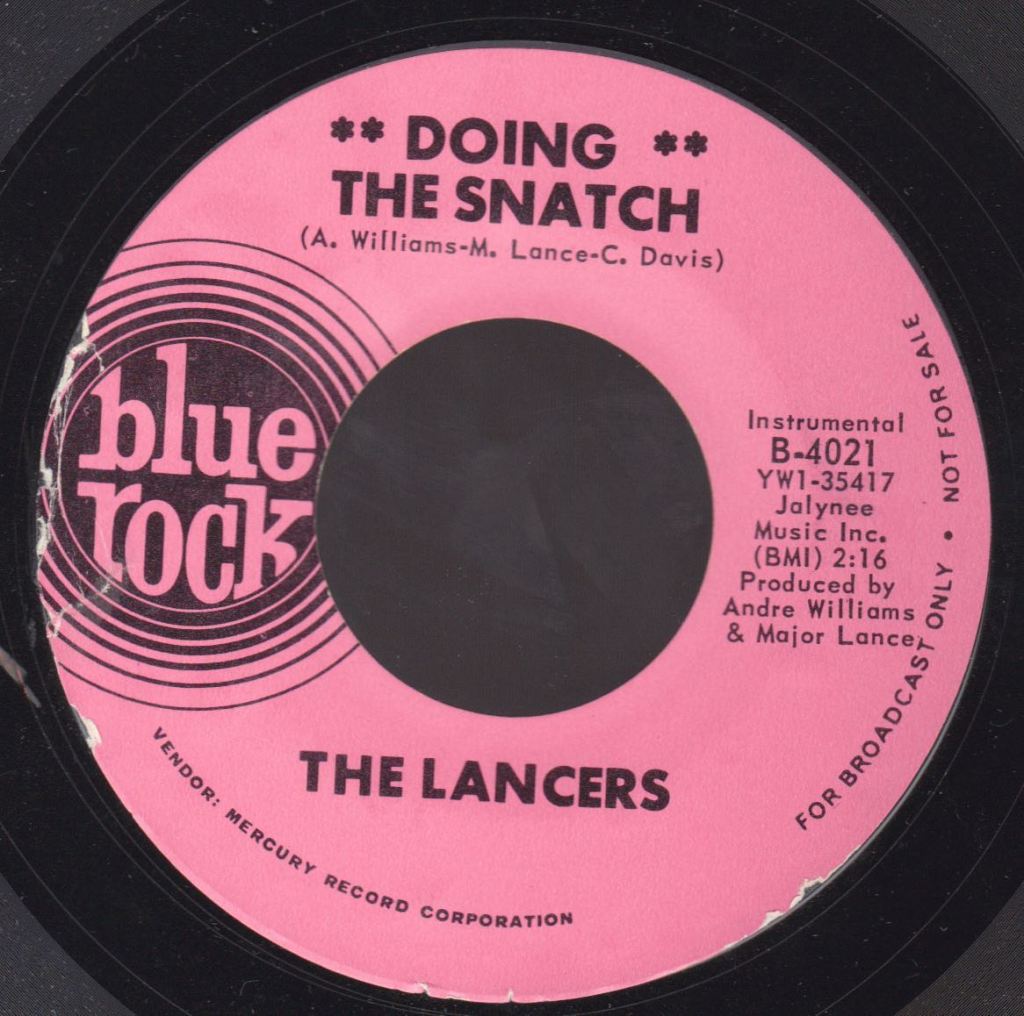
“Doing the Snatch” is the kind of genius record that could only have been created by Andre Williams. He is credited as co-writer and co-producer and you can hear him in the background, exhorting folks to do the snatch baby! The other producer is Major Lance, he of “Monkey Time” and “Um, Um, Um, Um, Um” fame; plus he lends his name to the musical ensemble—The Lancers. The third songwriter is Carl Davis, a Chicago music producer and songwriter who began his career around 1958 or so and worked with such esteemed artists as Gene Chandler, Ted Taylor, Walter Jackson, Jackie Wilson, The Chi-Lites… the list goes on. For some reason, these well-worn music professionals asked the world to do the Snatch!!
In 1978, Cal Tjader’s Huracán album was recorded direct-to-disc and released as a 12” LP spinning at 45 RPM on white vinyl for the audiophile market. Obviously, such a thing could not have been a big seller, which is a shame—Tjader’s mambo records are among the finest in the world. The album has been basically unavailable until the nice folks at Liberation Hall Records reissued it last year.
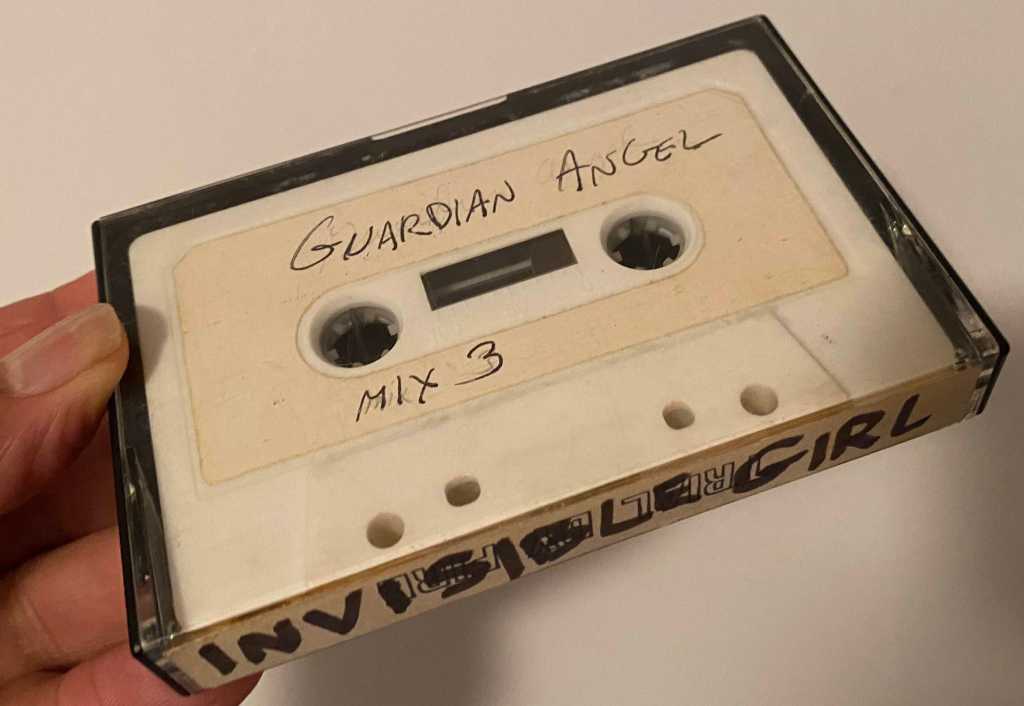
The GO Mechanism producers often reach into their personal archives to present music that will never be heard anywhere else—ie., the Jeffrey Lee Pierce track in GO Mechanism Number Eighteen. In this GO we’ve pulled out a song by The Invisible Girl called “Guardian Angel.” It is a beautiful, moody ballad, written and performed by Charlotte Caffey, AKA, The Invisible Girl. This song was written in 1976 and it was inspired by a painting that hung in the home where she grew up. The picture depicted two children walking over a bridge with a big guardian angel guiding them. It was recorded in early 1977—probably before she joined The Eyes, one of L.A.’s first punk rock bands. That is when she handed the cassette of her song to the future GO Mechanism host. We’ve always dug it and always wanted to share it with the world. A few years after this recording, Ms. Caffey found great success as a member of The Go-Go’s. A guardian angel is most definitely watching over her!
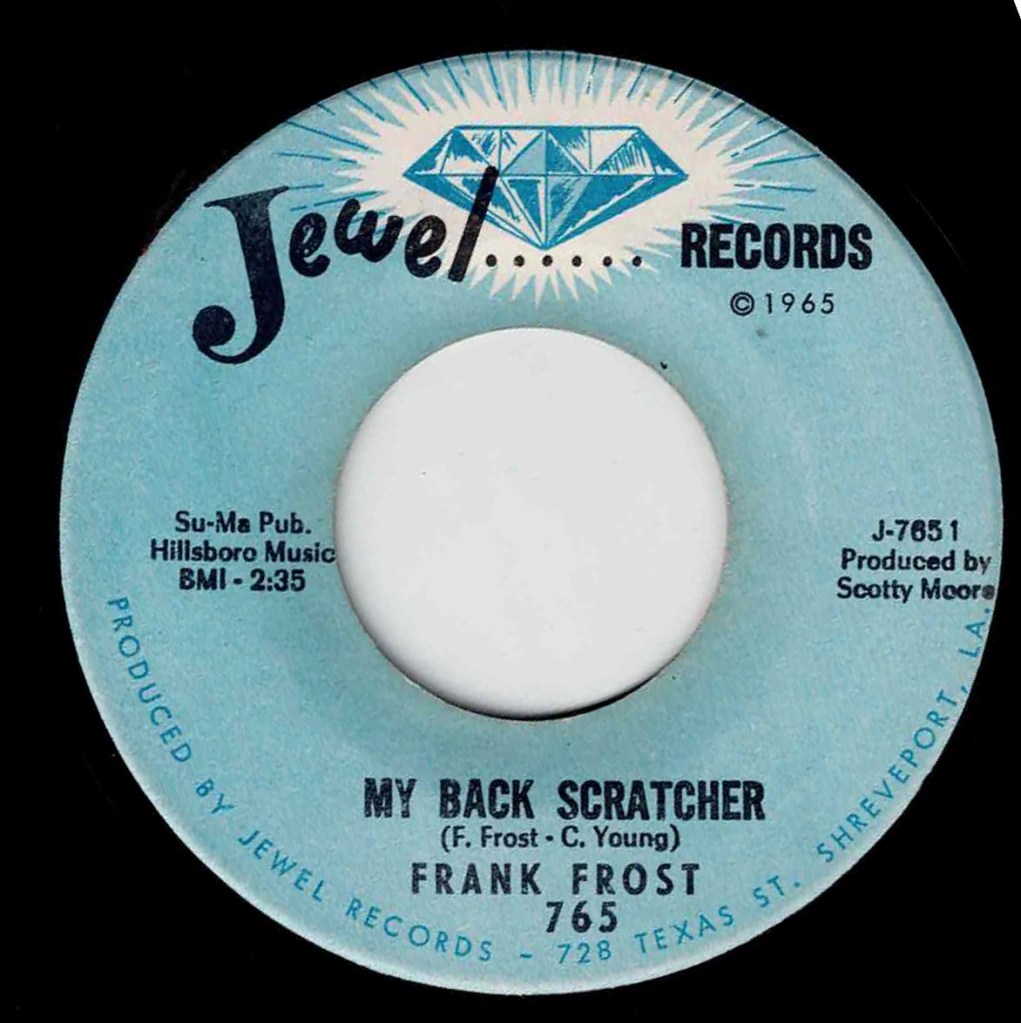
Frank Frost was a blues man from Arkansas who often worked across the Mississippi River in Memphis. He was brought to the attention of Sam Phillips and he cut a single and an album for the Sun subsidiary Phillips International in 1962. This was likely the last blues Sam Phillips would record—certainly the last great blues. In the mid-sixties, Frost cut some singles for Jewel Records; one of which is “My Back Scratcher,” heard here in The GO Mechanism. It’s lazy tempo, spoken lyric and subject matter owe a bit to Slim Harpo’s “Scratch My Back,” that’s for sure, but Frost’s song stands up on it’s own anyway. It has such a hip groove that we can’t get enough of.
The GO Mechanism always ends with one of the Greatest Records Of All Time. This one ends with still another Beach Boys song—this one by The Andrew Oldham Orchestra. Oldham was the producer and manager of The Rolling Stones during their early days. He must had some pull at (British) Decca Records, for whom The Rolling Stones recorded, and cashed it in. The records were all made with studio musicians and we believe some of The Rolling Stones play on them. One of Oldham’s albums was called East Meets West in which he recorded six songs by The Four Seasons and six by The Beach Boys. From that album comes this fantastic version of “I Get Around.” We like to think that it is Keith Richards playing that fabulous fuzz guitar bit. The GO Mechanism producers will even posit that it is better than the original!
Paul Body photo by Joel Aparicio
One of the extended spoken word selections in this GO is by our pal Paul Body. In 1993 he released an album called Love Is Like Rasputin in which he reads his memoir from the year 1965. His writing is poignant, witty, clever, moving and often very personal. We first met Mr. Body when he was drumming for the great R&B-injected rock band The Sheiks of Shake in the mid-seventies. During the eighties he joined us in Phast ’n’ Bulbous and The Love Supremes. Presented here is his entry for the date June 16. Playing behind it is an excerpt from Miles Davis’ “Miles Runs the Voodoo Down” from Bitches Brew. [By the way, the hearty laugh heard at the end of most GO Mechanisms belongs to Mr. Body. It was recorded by producer Vitus Mataré during the recording of a Love Supremes album that may never come out!]
The GO Mechanism is produced whenever we feel like it and it initially airs on the Luxuria Music interweb streaming hustle as a Saturday Night Special. The GO Mechanism producers sincerely thank the swingin’ folks at Luxuria Music for presenting The GO Mechanism whenever we get around to putting one together. Luxuria Music is an extremely independent entity that can use some help. Please go to the Luxuria Music website and buy something from its store or sponsor something fun. Also, while you are at Luxuria Music, check out the other fabulous shows there.
If you are interested in previous GO Mechanisms, they can be found on the Mixclouds and here in The Boogaloo Bag. After a while the audio portion of this GO Mechanism will magically appear below…
On June 14, another fantastic Do The 45 took place at Quinn’s in Beacon. Host DJ Pete Pop and his regular guest DJ Phast Phreddie the Boogaloo Omnibus were delighted when so many of their lovely friends showed up to bop to the slop that they presented—all on 45 RPM records, mostly original pressings. It had rained earlier in the evening, and as folks were showing up to Quinn’s a rainbow appeared over Beacon! Surly a sign that the night would be a gas.
And it was!
Phast Phreddie the Boogaloo Omnibus and DJ Pete Pop swing at Do The 45!
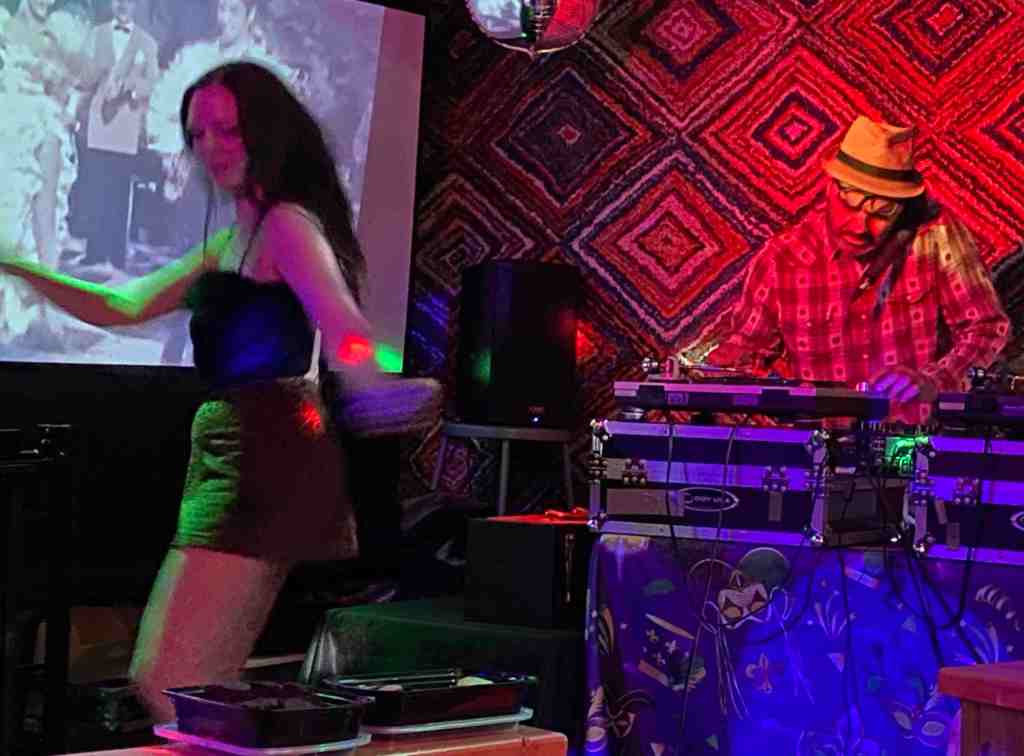
As usual, Pete Pop played some fantastic records. Also as usual, Go-Go dancers Sheba Shake and Bella Bombora induced much dancing around by the folks who were in attendance. Pete Pop‘s fabulous videos had folks fascinated and much merriment took place. Our pal Stuart Millman showed up, and whenever he does, the Do The 45 DJs play more rockabilly 45s than usual in order to keep him coming back! He’s a rockabilly cat from way back and the DJs dig it when he’s in the house so they can show off their boss rockin’ jams.
Here’s a list of all the records played by Phast Phreddie the Boogaloo Omnibus at the June edition of Do The 45:
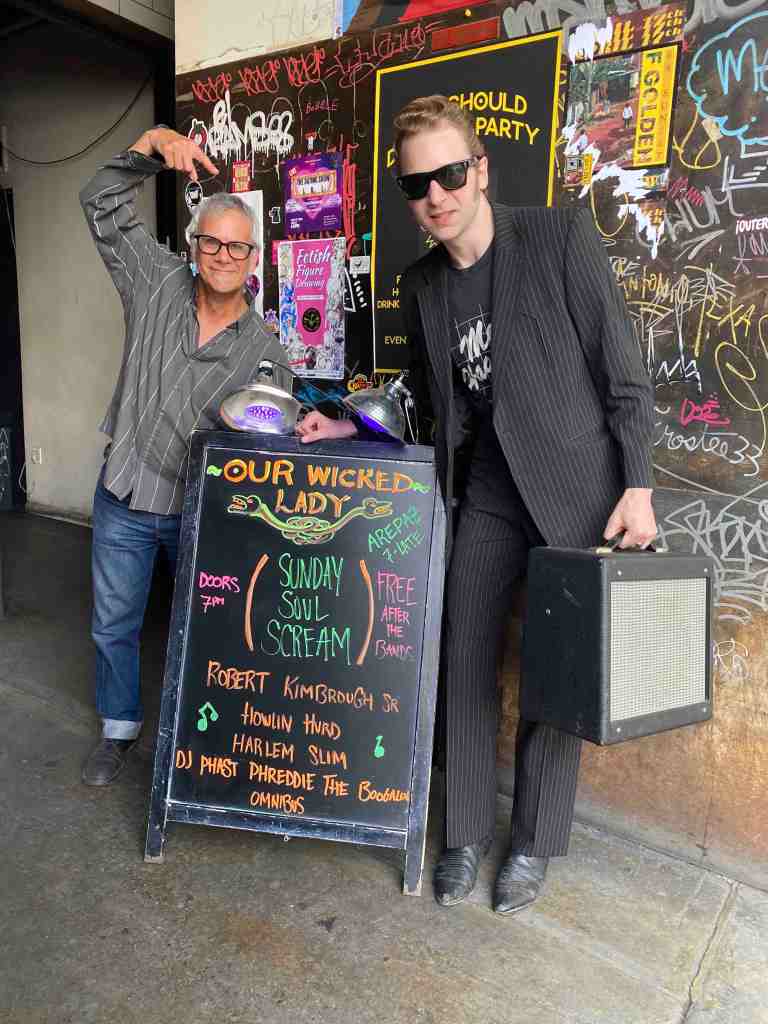
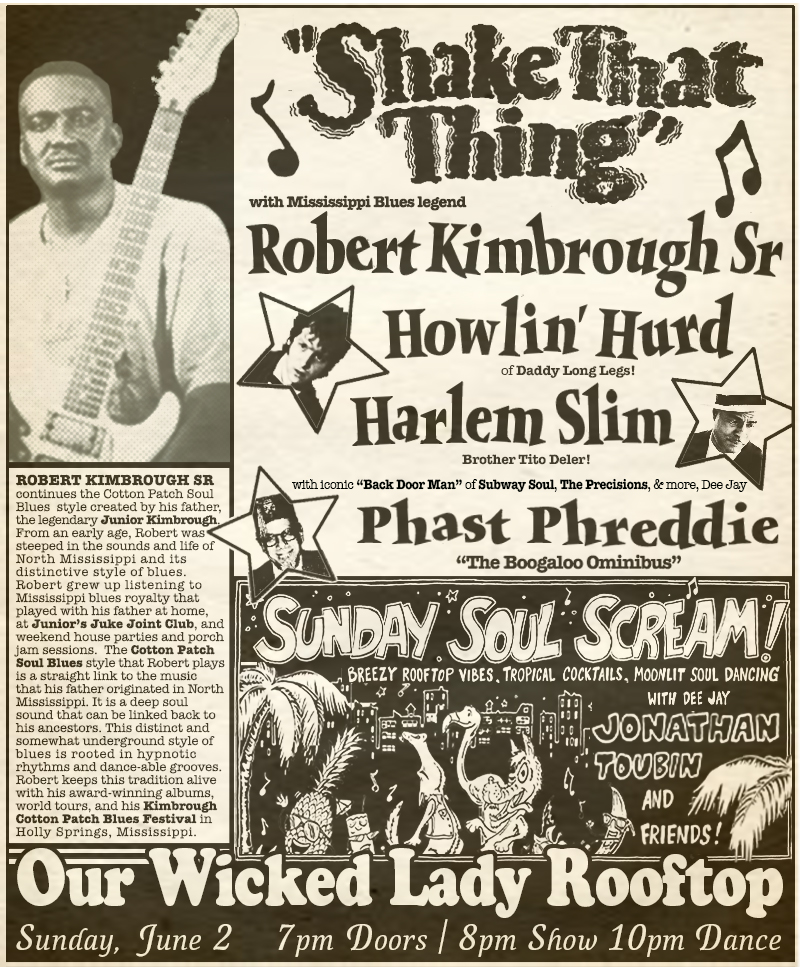
Jonathan Toubin is considered the most successful DJ of reet music in the country. His New York Night Train brand stages the Soul Clap & Dance Off that has travelled the country, bringing the reet sound to other towns. Also, Mr. T has a hand in such boss night clubs as 96 Tears and TV Eye. His hustle is boss and we try to attend his shows whenever possible.
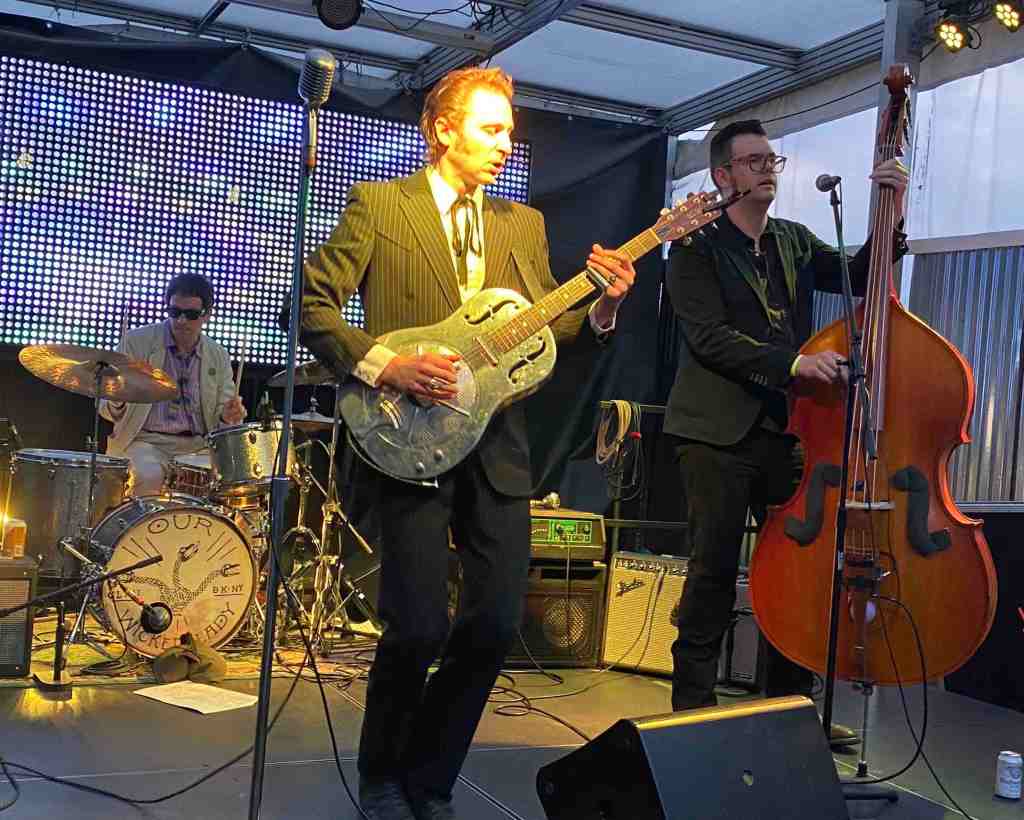
Howlin’ Hurd is our buddy Brian Hurd—lead screamer of the great rockin’ blues combo Daddy Long Legs. Here he was joined by a drummer and a stand-up bass player and the trio performed some rockin’ blues wailin’. Fookin’ fantastic!
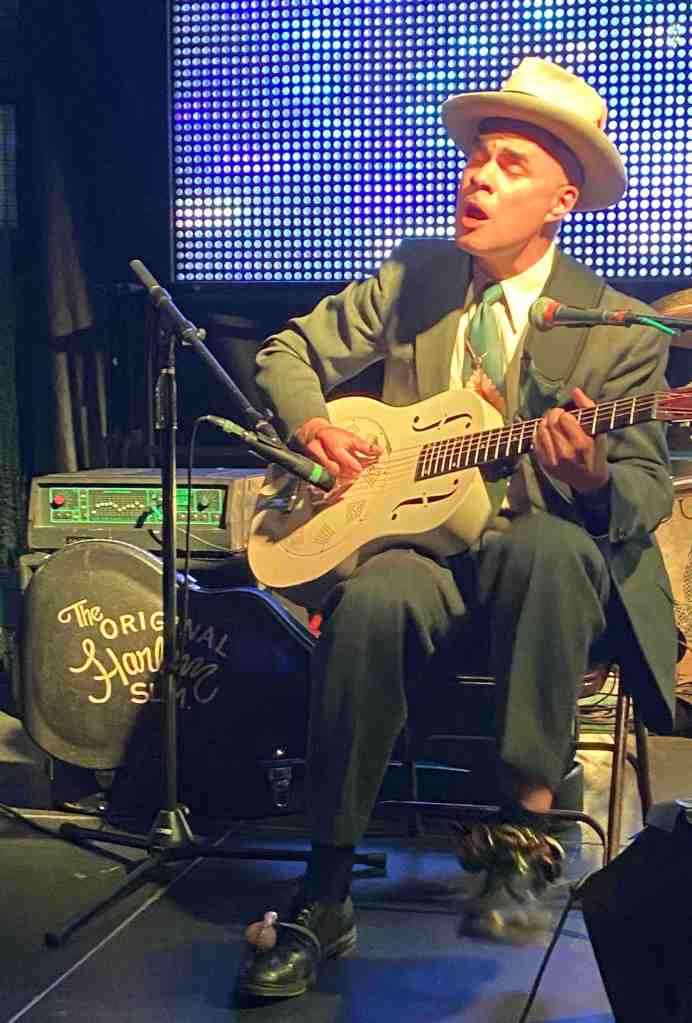
Harlem Slim swings at Sunday Soul Scream!
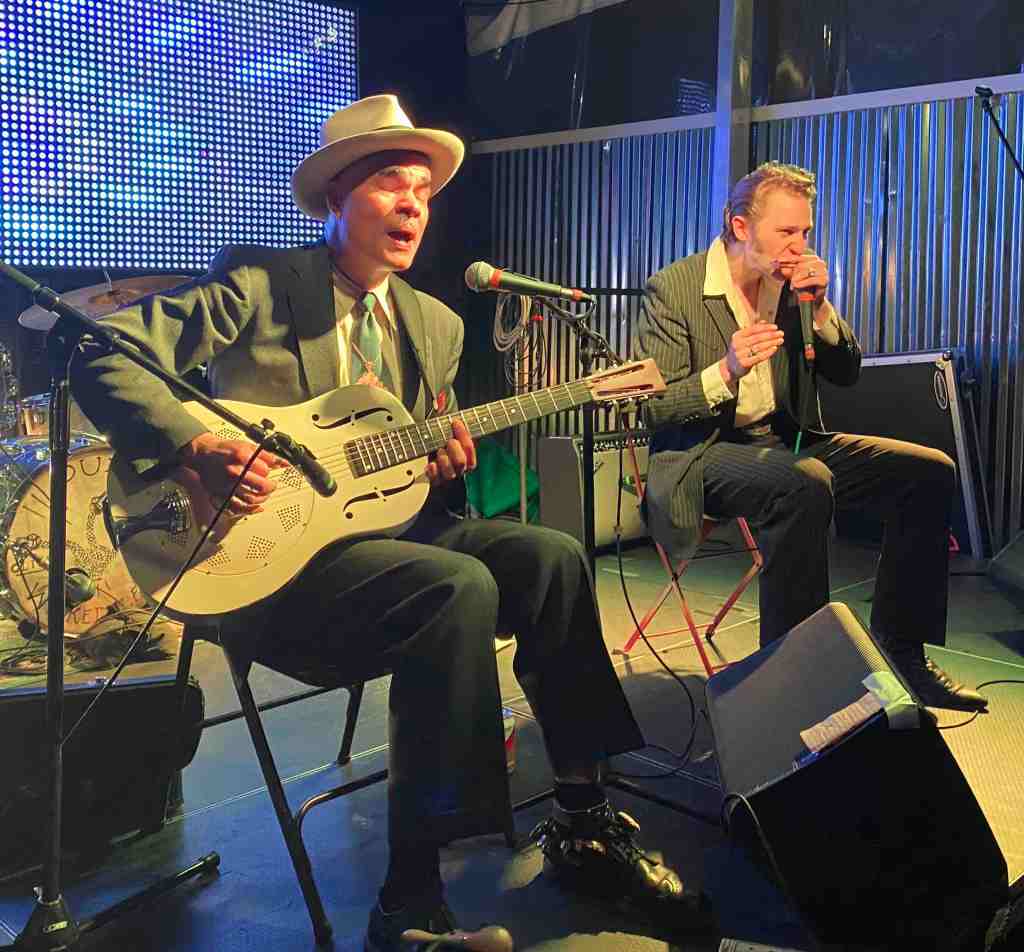
Harlem Slim did a solo act with his National steel guitar. He literally kicked up quite a noise by banging his foot on the stage to create a boss beat that had attendees boppin’ around. At one point, Brian Hurd joined him on harmonica for some cool blues harp action.
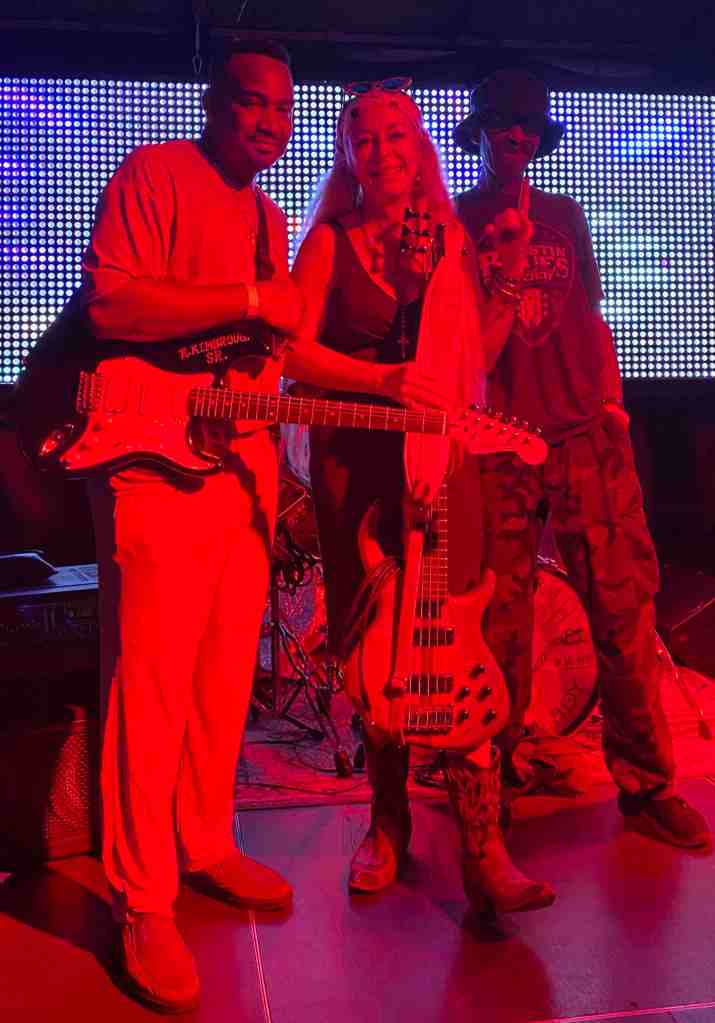
Robert Kimbrough, Sr. swings at Sunday Soul Scream!
Robert Kimbrough, Sr. is a son of the legendary Mississippi bluesman Junior Kimbrough. The elder Kimbrough worked a style of blues music known as Cotton Patch Soul Blues. It is a rather simplistic style, similar to early John Lee Hooker records, that sets a groove and that groove is worked for the duration of the composition. In the proper setting—such as a small club or juke joint where the band can play all night long—the song can last for ten to twenty minutes, creating a hypnotic beat similar to that of such African musicians as King Sunny Adé, Fela Anikilapo Kuti or the sufi vocalist Nusrat Fateh Ali Khan. Junior Kimbrough’s son, who played in his band, has continued this tradition in the years since his father passed away. On this night, however, Robert Kimbrough, Sr. was restricted by time limits and his songs were abbreviated—but the message came across: this is boss stuff.
Phast Phreddie the Boogaloo Omnibus played some jumpin’ blues and R&B records before and in between the acts. After Robert Kimbrough, Sr.’s set, Jonathan Toubin played some fantastic records for a while. There was a change-over of some sort—perhaps the DJ booth was hooked up to the performance public address system and needed to be switched to the house system, or something—and soon after that was completed, The Boogaloo Omnibus took over for nearly an hour as he played some of his favorite party records. He had a long drive back to Dutchess County that night and had to cut out soon after midnight. However, the dance portion of the show was left in the more than capable hands of Mr. Toubin, who, no doubt, played more of his fantastic records.
Phast Phreddie the Boogaloo Omnibus swings at Sunday Soul Scream!
Here is a list of all the records played by Phast Phreddie the Boogaloo Omnibus at the Sunday Soul Scream:
Bella Bombora swings with her friends at Do The 45!
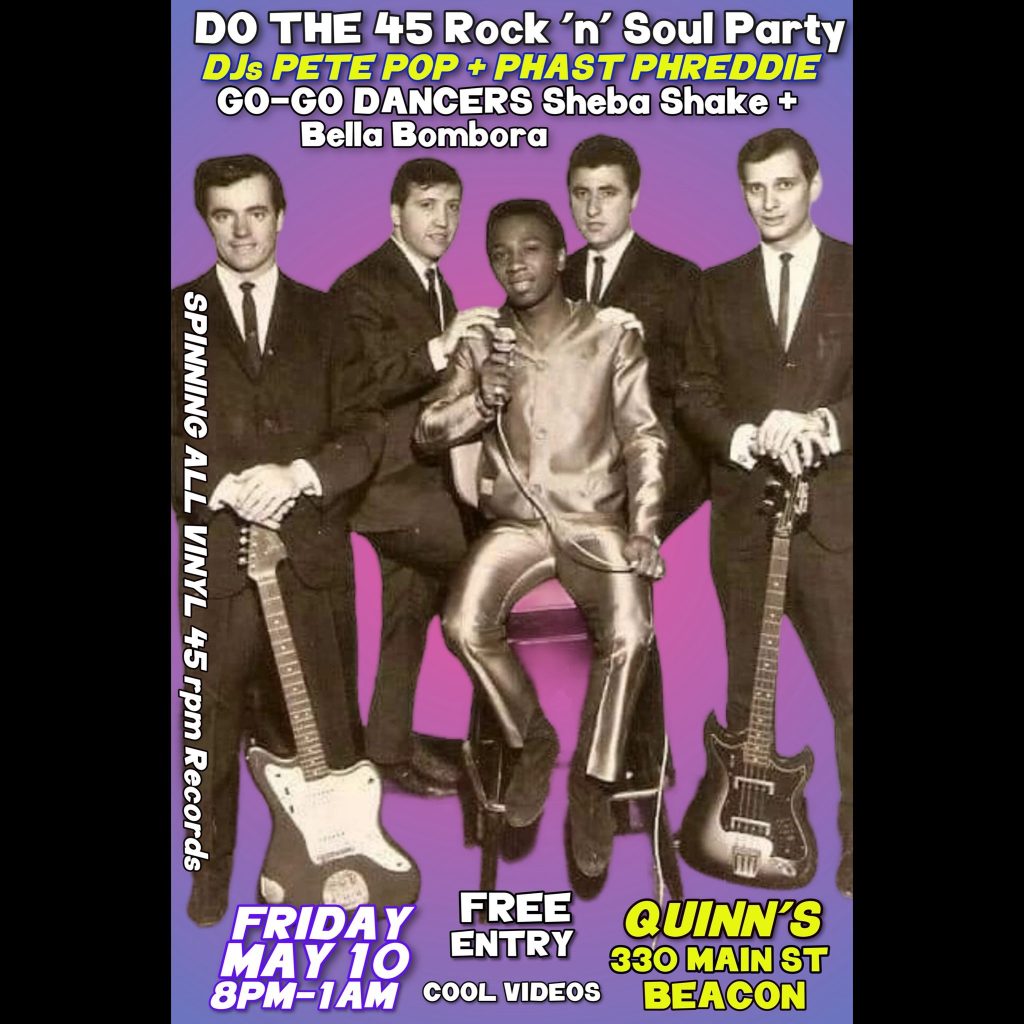
On Friday May 10, another Do The 45 rocked Quinn’s in Beacon. Phast Phreddie the Boogaloo Omnibus joined DJ Pete Pop for another evening of super exciting rock’n’roll, R&B and other assorted reet music. Do The 45 swings on the second Friday of the month. If you live within five hours driving distance, you should make the scene every month!!!
Bella Bombora swings as DJ Pete Pop cues another hot jam!
The famous Go-Go dancer Bella Bombora was also on hand and at various times she had folks up on the stage dancing with her as she bopped around to the music–including Hudson Valley radio personality Amanda Lay. Miss Nancy made her signature vegan brownies, plus chocolate chip cookies. The cookies went fast!
MMMMMM!!! Vegan brownies and chocolate chip cookies!!!
DJ Pete Pop swings at Do The 45!
Pete Pop played his fabulous records all night long. Folks kept screamin’, “What was that?” and the answer is always, Pete Pop and his fabulous records!!
Phast Phreddie the Boogaloo Omnibus and Pete Pop swing at Do The 45!
Phast Phreddie the Boogaloo Omnibus tried to keep up. He started the night with a bunch of hot instrumentals. At one point he played two ‘dish rag’ songs in a row! In order to honor MC5 drummer Dennis ‘Machine Gun’ Thompson, who had recently passed away, a couple MC5 records were played during the night. Probably not enough! About a dozen recent acquisitions were spun along with many old favorites. A few hot doo wop jams really got folks excited. Toward the end of the night, Pete Pop and the Phast One alternated playing their respective discs.
The evening was a golden gasser and you may ascertain that fact by checking out the list of records played by Phast Phreddie the Boogaloo Omnibus below…
You have found The GO Mechanism; an audio odyssey that will take you to places you didn’t know existed. It is hosted by Phast Phreddie the Boogaloo Omnibus and it initially airs on the Luxuria Music interweb streaming hustle as a Saturday Night Special. This one will first appear on May 18. In order to receive the complete and total GO Mechanism experience, it is recommended that one listen to the initial airing on Luxuria Music, follow along with this Boogaloo Bag post as your score card (no one stops to back announce records) and join us in the Luxuria Music chat room where the host will announce each selection as it airs. After its first air date, the show will be available as a podcast on the Luxuria Music website—look for the Saturday Night Special dated 5/19/2024. However you listen to The GO, it is imperative that this blog post is referenced while doing so.
In the middle of the program there is a Science Corner, a segment of the show where The GO Mechanism producers discuss an interesting music-related topic. For this GO, we will be discussing an aspect of the music publishing business using a song by the British rock group Spooky Tooth as an example.
In 1967, a British, arty, psychedelic band called Art added Gary Wright as a member and changed its name to Spooky Tooth. Wright was an American musician who was lured to London by the owner of Island Records, Chris Blackwell. Art’s lone album was produced by Jimmy Miller and issued on Island Records. Miller was also called on to produce the first Spooky Tooth album, called It’s All About. Also an American, Miller’s previous experience included other Chris Blackwell projects, such as Traffic, The Spencer Davis Group and Wynder K. Frog. Anyway, the Spooky Tooth album was released in England where it did pretty good business, then licensed to Bell Records in America (where it wasn’t given a name!). Around this time, Island Records started licensing records to A&M Records for release in the U.S. This co-opt deal would include Jimmy Cliff, Free, Fairport Convention, Blodwyn Pig and really hit pay-dirt with Cat Stevens. The deal with Spooky Tooth included the band’s music publishing.
Here we stop in order to give a very brief definition of ‘music publishing.’ A song is written by a composer (or composers). It is then published—which basically means it is registered—before it can be recorded and released, or around the same time. In the old days, a publisher dealt mostly with sheet music. In the modern era, the song is treated as intellectual property—sometimes called a copyright (though sheet music may still be involved). Music publishers became prominent in the early days of the recording industry because only they knew how to register a song in order for a composer to get paid for its usage. It is the music publisher’s job to collect the money that the song earns via record sales, being played on the radio (performance), and sync rights (when the song appears in a movie, TV show or commercial). The publisher takes a piece of the action for his efforts and pays the songwriter(s). The more a song is recorded, the more checks come in the mail.
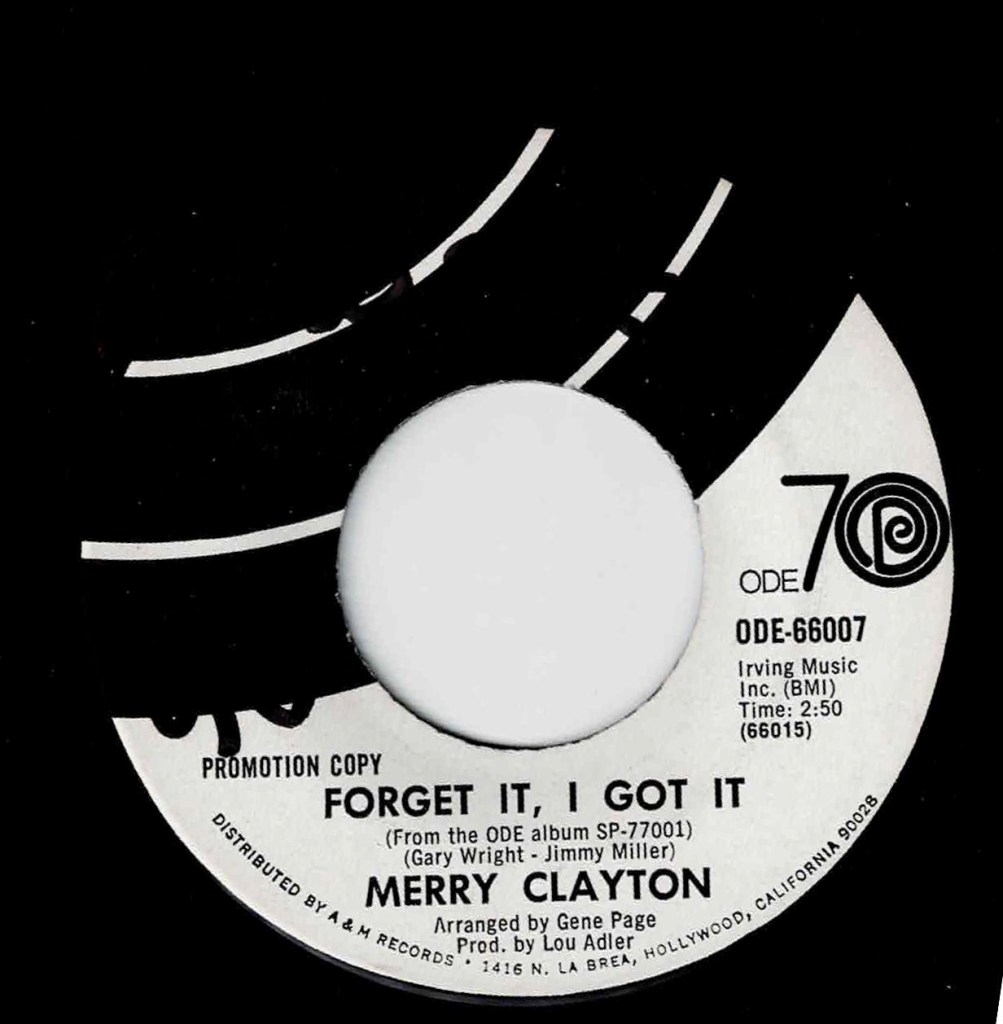
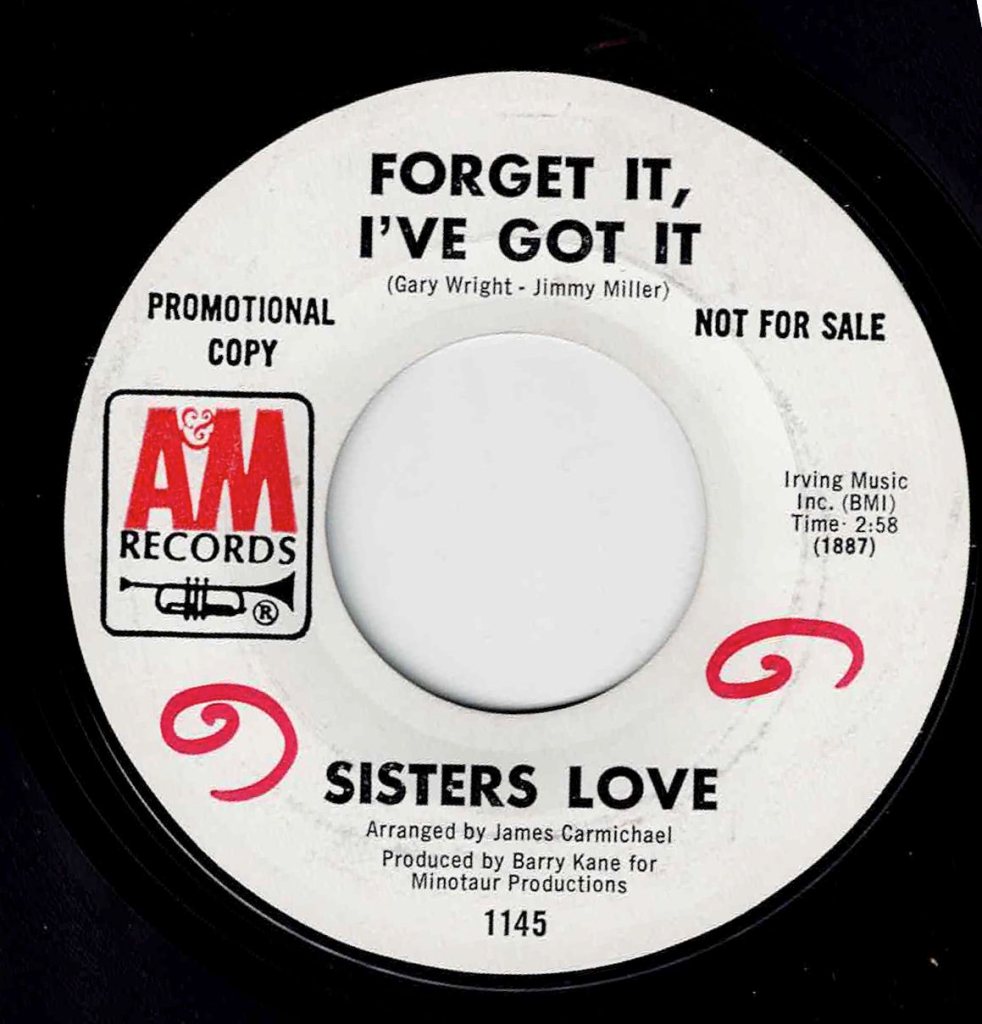
Which brings us back to Spooky Tooth. For its debut LP, Gary Wright and Jimmy Miller co-wrote a song called “Forget It, I Got It.” It was never a single, however, someone at A&M’s Records’ music publishing arm—called Almo Music—must have thought it had hit potential, as the album track was cut onto 10” acetates and distributed to potential artists. We know this because a picture of one of them has been posted on Discogs. The song was recorded by at least six artists that we know of. The Science Corner started with a version by The Sisters Love, a female R&B vocal group that, at one time, included Merry Clayton and Gwen Berry. The second version heard was by Mel & Tim, a soul duo from Chicago that was modeled after Sam & Dave. This recording was produced by Gene Chandler—a Chicago soul legend. The record was released in 1970, a year after Mel & Tim’s R&B hit “Backfield in Motion.” The third rendering of “Forget It, I Got It” is by the afore-mentioned Merry Clayton. She is best known as the female vocalist on The Rolling Stones’ “Gimme Shelter” (from the Let It Bleed album, produced by Jimmy Miller).
Other versions of the song were cut and released as singles by the rock groups Ambergris and The Mauds, as well as The Raelettes, another female R&B vocal group (of which Gwen Berry was once a member). However, The Raelettes changed the song slightly to “Come Get It, I Got It.” We’d like to point out here that the Spooky Tooth song bears a slight resemblance to a 1967 song called “Forget It” by The Sandpebbles. Gary Wright is said to have been a fan of R&B records, so it is possible that he heard this song but didn’t quite remember how it went but brought his ideas to Jimmy Miller who helped shape it into the unique song that was recorded. At least, that’s the way things are imagined here in the Science Corner, and no one can tell us any different because both Wright and Miller are dead.
In 1956, Billy Stewart was discovered by Bo Diddley in Washington D.C. on a night when Bo Diddley was playing there. Bo Diddley (who recorded for Checker Records, a subsidiary of Chess) persuaded the Chess people to try him out. Backed by Bo Diddley’s recording band, which included Willie Dixon, Jerome Greene and Jody Williams, Stewart cut the two-parter “Billy’s Blues.” It came out on the Argo label (another Chess subsidiary) as well as on Chess. Although it did not chart nationally, it made some noise in some markets, but apparently, not enough for Chess to continue with him. Stewart’s next record is heard in The GO Mechanism. It’s called “Billy’s Heartache” and it was also recorded with Bo Diddley and his band, but in Washington D.C. Singing back-up for the Stewart recording session was a local vocal group called The Marquees that included a young Marvin Gaye. This recording came out on OKeh Records. For some reason, Stewart did not record again for a few years. In 1961, he returned to Chess Records to work with the producer Billy Davis and they were able to score several hits, including “Reap What You Sow,”“I Do Love You,”“Sitting in the Park” and the magnum opus “Summertime.”
Los Mirlos is one of our favorite cumbia bands. Many of the best cumbia bands hail from Colombia, where cumbia music was invented. Los Mirlos, however, are from Peru. In Colombian cumbia, the accordion is one of the key instruments. For Los Mirlos, it is the guitar. It is the main instrument on the song we hear in The GO. We’ve played it from a 1976 Mexican pressing on the Gas label, where it is called “Cumbia De La Selva.” In 1974, when it was released in Peru on the Infopesa label it was called “Lamento en La Selva.” Selva is Spanish for jungle. Many of the original members of Los Mirlos were from Moyobomba, a city near the Peruvian jungles on the east side of the Andes. They traveled to Lima on the coast to make their records and many of their compositions, such as this one, celebrate the jungle. We have several of the group’s singles and we’ll hear more from them in upcoming GO Mechanisms.
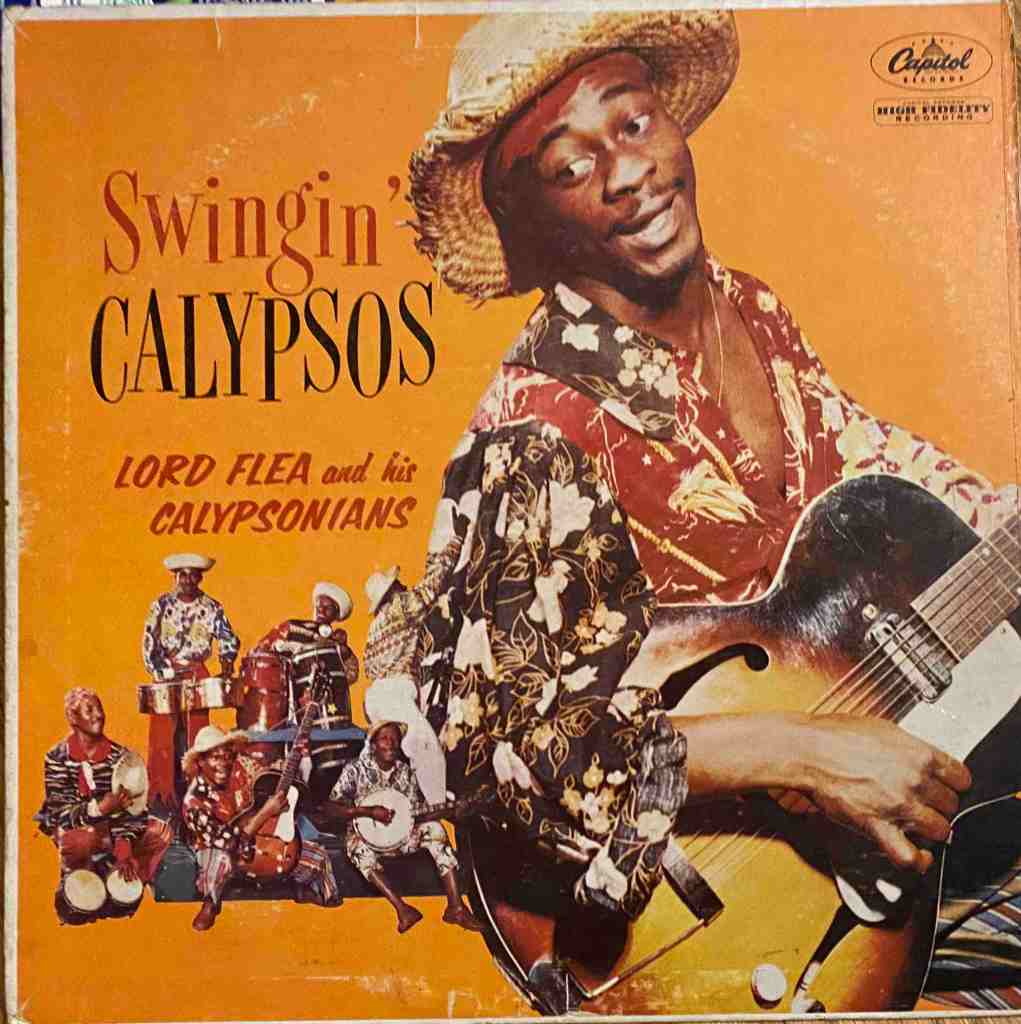
Calypso is a music that originated in the West Indies and was popular throughout the Caribbean area. In Cuba, calypsos were sung in Spanish; in Haiti in French. In Jamaica the music was known as mento and eventually morphed into ska, which begot rocksteady and reggae. Very often a calypso or two is presented in The GO Mechanism. In this GO, we have “Out de Fire” by Lord Flea and his Calypsonians. According to the liner notes of their 1957 album, Swingin’ Calypsos, the members of the band are Porkchops on banjo, Lord Fish Ray on bass and percussionists Count Spoon, Prince Charles and Count Largie. Lord Flea was the singer and guitarist. He and his band appeared in Miami, Las Vegas, New York City (at the Jamaica Room, a ‘calypso-only’ night club) and on the Perry Como TV show.
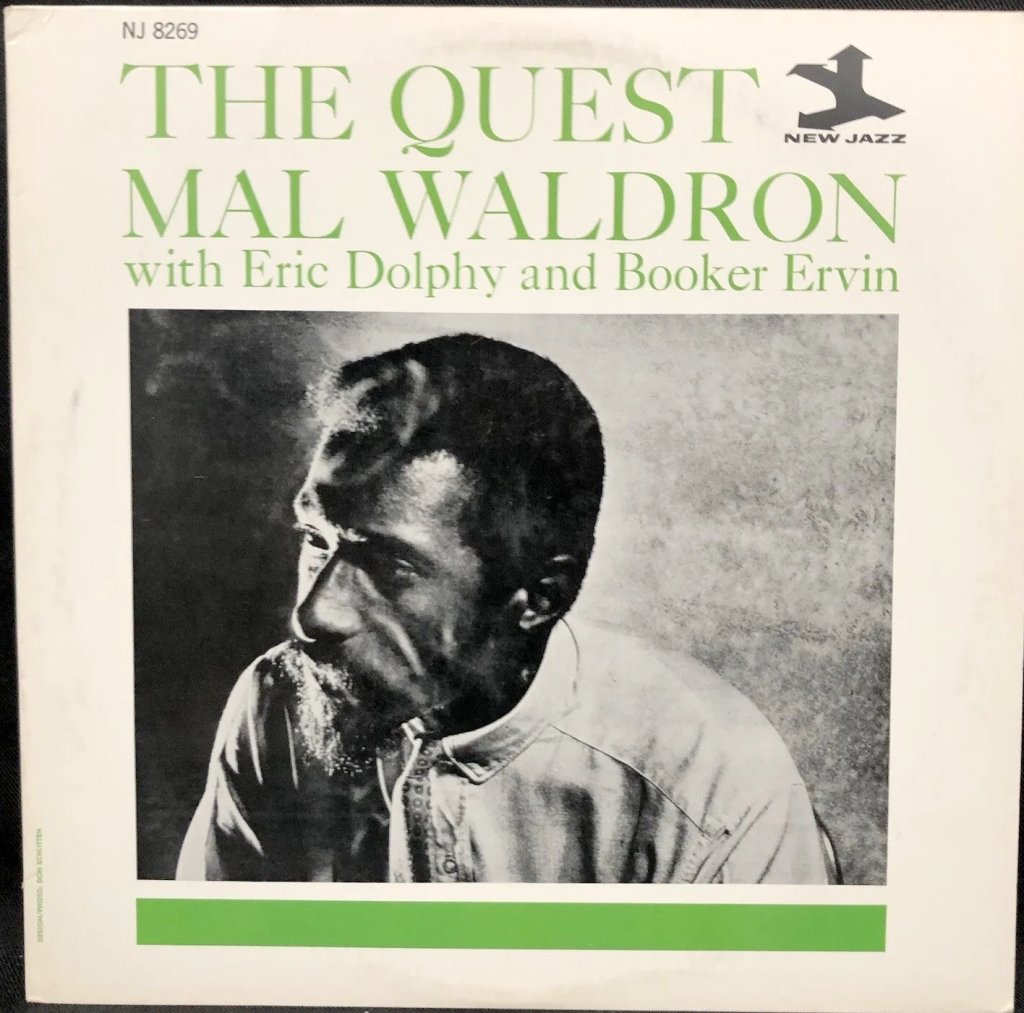
Malcolm Earl Waldron was born in 1925 in New York City. He took up the saxophone first, but set it down to play piano after hearing Charlie Parker and realizing he could never play that well. As a pianist, he worked with Ike Quebec, Varetta Dillard, Teddy Charles and Charles Mingus but he really got busy when he was introduced to the people at Prestige Records by Jackie McLean. At Prestige he became a first-call piano player when it came to recording sessions. He recorded with Gene Ammons, Donald Byrd, Hank Mobley, Al Cohn, Phil Woods, John Coltrane, Paul Quinichette and many others. Around this time, he was also the piano accompanist for Billie Holiday’s live engagements and did that until she died in 1959. Plus, Waldron played on many of those ‘Music Minus One’ records. Cat was busy.
Mal Waldron was also a user of heroin. In 1963, an overdose lead to a breakdown that left him fairly incapacitated for a few years—unable to play the piano. When he recovered, he had an opportunity to score a film in Europe and he stayed there. He only returned to the U.S. for an occasional gig but by the mid-nineties he would come less often, due to the fact that he could no longer smoke in the night clubs he played. He died of cancer in 2002.
In 1971, the GO Mechanism producers and some buddies attended a show by Captain Beefheart & the Magic Band at a place called The Bitter End West in Hollywood. They had front row seats. At one point, our friend Linda handed Captain Beefheart an Abba Zabba candy bar and requested the song of the same name from the group’s first album. The good Captain, took the candy, turned to the band and said, “Abba Zabba, hit it!” And they played it! The song is heard in this GO Mechanism as a tribute to Miss Linda P, who drove us to a bunch of cool gigs in the days before we could drive.
“Four Organs” is one of our favorite pieces of contemporary art music. Composed by Steve Reich, it also features a fellow playing maracas. Some folks find it to be monotonous. Indeed, during a performance at Carnegie Hall in 1973, a woman banged her head on the stage over and over and yelled, “Stop, stop! I confess!” We’ve jazzed it up a bit for The GO by mashing it with a nearly acapella song by The Zombies called “The Way I Feel Inside.” The listener will either find this incredibly obnoxious or totally genius; The GO Mechanism producers welcome either determination. The piece is then used as the bed music for The Science Corner. We dig “Four Organs” and it will most likely pop up again in future GOs.
“Rutebega Pie” comes to us from the album Soul & Salvation by Dizzy Gillespie. It was recorded in 1969, during a period when several jazz artists were experimenting with funk, most notably Miles Davis. On this album, all the compositions and arrangements are by Ed Bland. He also conducted the orchestra. Ed Bland was responsible for some great funk records by The Pazant Brothers around the same time; in fact, Eddie Pazant plays saxophone on the recording. Though some of the album sounds like music from a seventies police TV show, most of it is pretty good. We quite like “Rutebega Pie.” It was brought to our attention by our good friend and regular GO Mechanism listener Tom Gardner. He knows his trash, that’s for sure. Be sure to dig his radio show on Wednesday nights on KPPQ out of Ventura, California. Soul & Salvation has been recently reissued on CD by the nice people at Liberation Hall. Check it out.
Booker T. Jones got the call to compose the score for the film Uptight while he was recovering from a leg operation in California. For reasons too complicated to go into here, he wrote much of the score in Paris. If you want to know the story, read Jones’ autobiography, Time Is Tight: My Life, Note by Note. “Run Tank Run” is from the soundtrack to this movie.
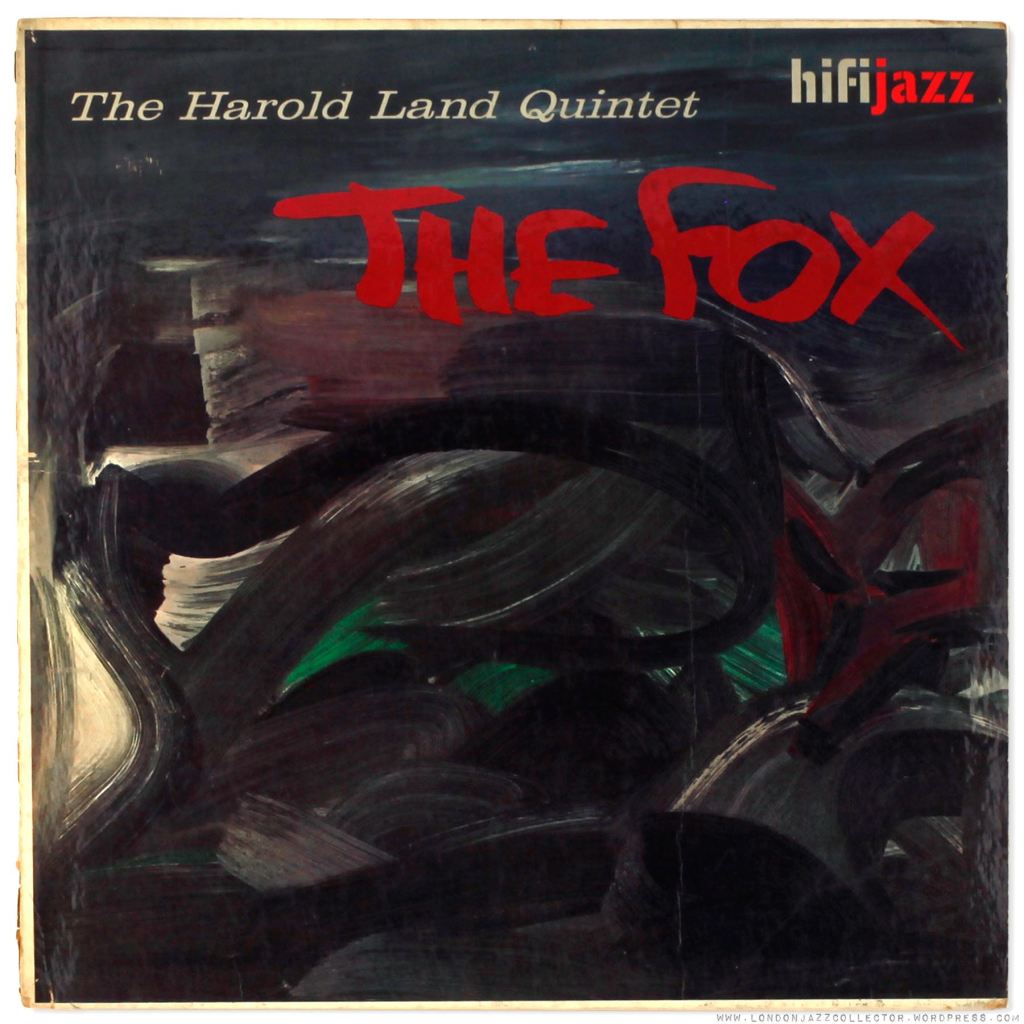
“The Fox” is the title track for an album by tenor saxophonist Harold Land. It has achieved a sort of legendary status among aficionados of hard bop jazz. None of the players, Elmo Hope (piano), Frank Butler (drums), Herbie Lewis (bass) and Dupree Bolton (trumpet) including Land, are household names, but they are all excellent musicians who should be known to all.
Elmo Hope hung out with Bud Powell and Thelonious Monk and has a cult following among jazzbos who know their bebop. However, the most interesting musician on the track was the trumpet player.
Dupree Bolton started his career when, at 14, he ran away from home to play in the bluesy swing band of Jay McShann. He went on to work with the Buddy JohnsonOrchestra, and then a band lead by Benny Carter. Bolton‘s drug activities got in the way, though, and he served several stints in prison. While incarcerated at San Quinten, he was able to practice his trumpet and he played with other imprisoned musicians, such as Art Pepper and Frank Morgan and it is where he first met Frank Butler. When Bolton was freed in 1959, Butler brought him to the attention of Harold Land, who was preparing to record his The Fox album. By then, Bolton was an exceptional player in the bebop tradition of Fats Navarro and Dizzy Gillespie. Bolton’s playing is fantastic on this recording. Soon after, he was arrested again. When he got out in 1963, he played on another fine hard bop album called Katanga. On that album, Bolton is co-billed with saxophonist Curtis Amy. For all intents and purposes, that was the end of Dupree Bolton’s career. He was arrested again soon after the Katanga sessions and spent most of the next 20 years in and out of prison—mostly in. When he was freed for the last time in 1983 he had lost the fire that he exhibits on “The Fox.” He died of a cardiac arrest in 1993.
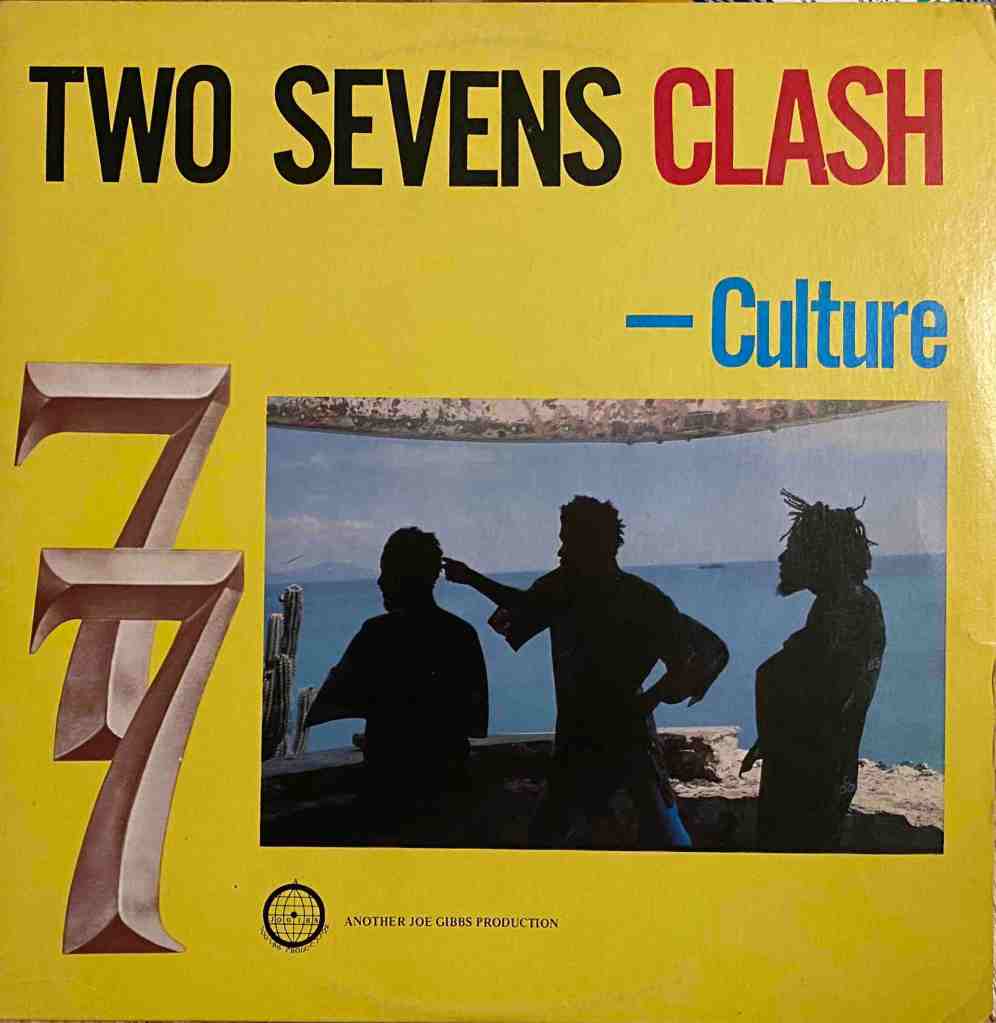
“See Dem a Come” was the debut single by the reggae vocal group Culture. It was included on the trio’s debut album Two Sevens Clash in 1977. We found the album that year while record cruisin’ with our friend Jeffrey Pierce at Barton’s of Hollywood. Barton’s was a record store that sold all sorts of Caribbean music. It wasn’t located anywhere near Hollywood, though; it was in South Central Los Angeles. The album was recommended by a woman behind the counter. She played the first track and we were sold! The album is one of the best that reggae music has to offer.
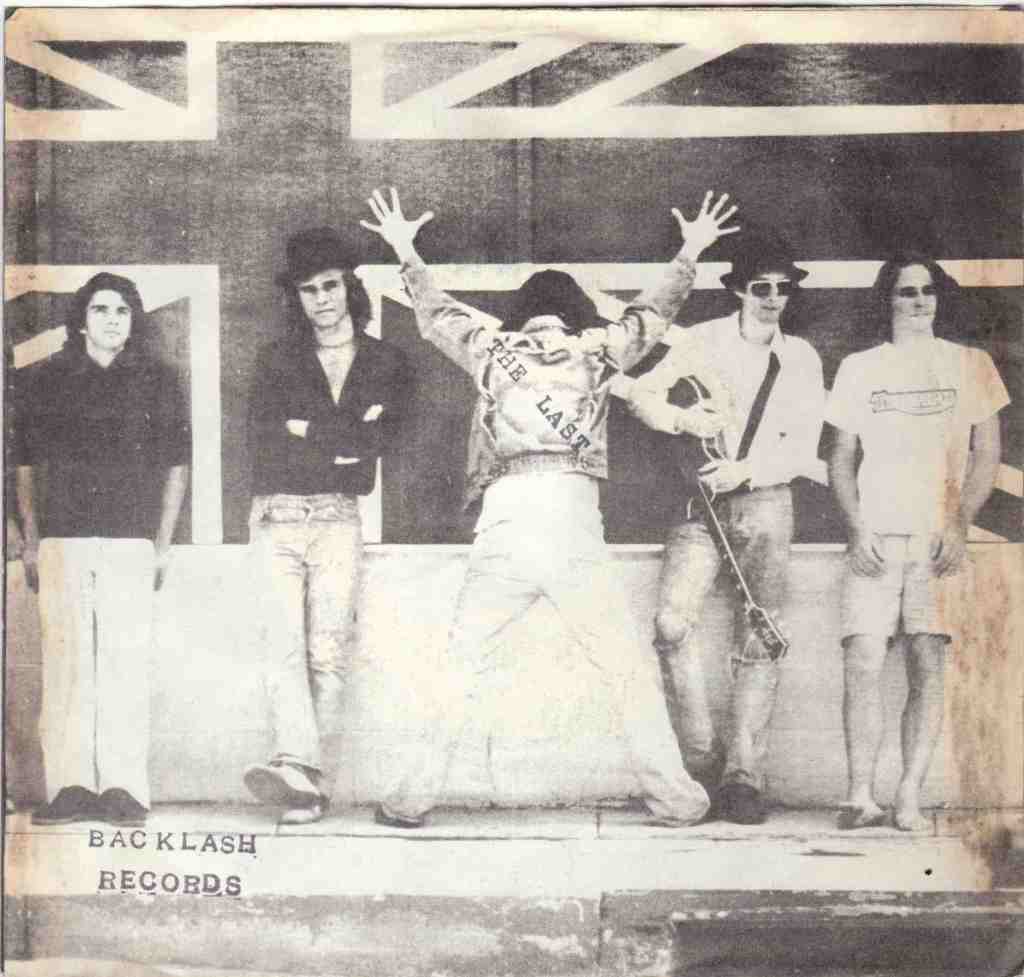
The GO Mechanism producers first heard of The Last in 1977 when they were introduced to lead singer/guitarist/songwriter Joe Nolte by our friend D.D. Faye at the Wallichs’ Music City in Torrance where they both worked at the time. Joe was a skinny, wild-eyed fellow with stringy hair, a goatee and pale skin. He handed us a record by his band; a self-produced single—“She Don’t Know Why I’m Here.” So self-produced that the labels were blank with the artist name and record company ink-stamped on them and titles were handwritten. The picture sleeve was slightly over-sized and looked like they pasted it together themselves. It sounds as if it were recorded in a garage. But the song contains one of the greatest couplets in all of rock music:
This one’s for you, you modified, petrified hypocrites, God!
To raise your children like goldfish in plastic Naugahyde cells.
The fabulousness of the song and the performance are just so dynamic and explosive that the record can not be denied a place among the Greatest Records Of All Time.
Soon after the record was distributed—mostly among friends, as only about 300 were made—The Last played at The Masque, the dingy basement dive that was home to the young punk rock scene in Hollywood. Greg Shaw saw them there, screamed, “godhead!” and reissued the single on his Bomp! Records label.
The LAST – photo by Dan Perloff
The group’s intense performances gave them a punk rock following, especially among other punk musicians. Their psychedelic leanings made them influential to the Paisley Underground scene that hadn’t started yet, but was taking notes at The Last’s shows. The group’s memorable melodies made them popular with the power pop crowd. Two more excellent independent singles followed, and in 1979, The Last’s first album, L.A. Explosion was issued. The songs were great but the recording didn’t capture the excitement and energy of a live show. A second album, Look Again, was recorded but never got past the test pressing stage—until it was finally released in 2020! A third album, Painting Smiles on a Dead Man, was only released in France in 1983. By then, the momentum and buzz of the early days had waned. Joe Nolte has kept a “The Last” going over the years, usually with at least one or two of his brothers who’ve been involved with the band off and on over the years. The band would go on hiatus for long periods.
“She Don’t Know Why I’m Here” is one of the greatest rock’n’roll records of modern (ie, post 1975) times and, because of that, it is presented here to close this edition of The GO Mechanism.
The GO Mechanism is produced whenever we feel like it and it initially airs on the Luxuria Music interweb streaming hustle as a Saturday Night Special. The GO Mechanism producers sincerely thank the swingin’ folks at Luxuria Music for presenting The GO Mechanism whenever it is available. Luxuria Music is an extremely independent entity that can use some help. Please go to the Luxuria Music website and buy something from its store or sponsor something fun. Also, while you are at Luxuria Music, check out the other fabulous shows there.
If you are interested in previous GO Mechanisms, they can be found on the Mixclouds and here in the Boogaloo Bag. After a while the audio portion of this GO Mechanism will magically appear below…
Here is a list of all the records played during The GO Mechanism Number Twenty Two:
Earl Bostic—Lester Leaps In (theme) (King)
Thelonious Monk with Jon Hendricks—In Walked Bud (from LP Underground; Columbia)
Ted Heath—(I Can’t Get No) Satisfaction (from LP The Big Ones; Phase 4)
Slim Gaillard—Yo Yo Yo (Clef)
The Fleshtones—Time Zone (from album Mondo Beat Volume 1; Face; Italy)
Billy Stewart—Billy’s Heartache (OKeh)
The El Torros—Doop Doop A Walla Walla (Duke)
The Mops—朝まで待てない (Victor; Japan)
Ivan Ward & the Swingsters—Congo Glide (Savoy)
Los Mirlos—Cumbia de la Selva (Gas; Mexico)
The Doors—Light My Fire—GO edit (Elektra)
Lord Flea & His Calypsonians—Out de Fire (Capitol)
Mal Waldron with Eric Dolphy and Booker Ervin—Fire Waltz (from album The Quest; Prestige)(1)
Captain Beefheart & the Magic Band—Abba Zabba (from LP Safe as Milk; Buddah)
Olatunji—Kiyakiya (from LP Drums of Passion; Columbia)
Count Rockin’ Sidney—Back Door Man (Woman Next Door) (Bold)
The Marvelettes—Hunter Gets Captured by the Game (Tamla)
Bonzo Dog Doo Dah Band—Big Shot (from LP Gorilla; Imperial)
Mothers of Invention—Zolar Czaki (from LP Uncle Meant; Bizarre)
Tito Puente and His Orchestra—Caravan Mambo (Tico)
Four Organs for Four Electric Organs and Maracas—Steve Reich (from LP Three Dances and Four Organs; Angel)
The Zombies—The Way I Feel Inside (Parrot)
The Sisters Love—Forget It, I Got It (A&M)
Mel & Tim—Forget It, I Got It (Bamboo)
Merry Clayton—Forget It, I Got It (Ode)
Dizzy Gillespie—Rutabaga Pie (from LP Soul & Salvation; Tribute)
Harley Hatcher Orchestra—African Safari Part 1 (Philips)
Climaco Sarmiento y su Orquesta—Cumbia Sabrosa (from LP Cumbias y Gaitas Famosas 3; Discos Fuentes; Colombia)
Booker T & the M.G.’s—Run Tank Run (from LP Uptight; Stax)
Brass Rail—Do the Penguin Part 1 (Buddah)
Harold Land—The Fox (from album The Fox; Contemporary) (2)
The Deltas—Work Song (Philips)
Darrell Banks—I’ve Got That Feelin’ (Atco)
Wallias Band—Muziqawi Silt (from LP Éthiopiques 13: Ethiopian Groove – The Golden Seventies; Buda Musique; France)
Albert Pía—Lado Mas Bestia De La Vida (from album Cover the World; Putamayo)
Link Wray—Guitar Cha Cha (from album Walkin’ With Link; Epic)
Boris Banço—Quelle Peste! (Disques Vogue; France)
Lord Sitar—I Can See for Miles (from LP Lord Sitar; Capitol)
Culture—See Dem a Come (from LP Two Sevens Clash; Joe Gibbs Globe; Jamaica)
Captain Beefheart radio spot
Curtis Mayfield—Freddie’s Dead (Boogaloo edit/closing theme) (Curtom)
The Last—She Don’t Know Why I’m Here (Backlash)
Spoken:
Dylan Thomas—The Refusal to Mourn the Death, by Fire, of a Child in London (during “Fire Waltz”) Dylan Thomas—There Was a Saviour (during “The Fox”)
There hasn’t been a Subway Soul Club event in about five years, so perhaps a little history is in order. In December of the year 2001, Lady Dawn, a colorful British music enthusiast, and two of her friends who are DJs, got the keen idea of starting a Mod-oriented Northern Soul dance party in New York City. The first few were held in locations in the Lower East Side that no longer exist. Then her buddies left town—one home to London, the other to San Francisco. Around this time, Lady Dawn lost her venue. In comes Phast Phreddie the Boogaloo Omnibus. He was made the resident DJ of the club and he brought it to Rififi, a bar/comedy club/theater/video rental joint with a large back room on East 11th Street in the East Village. SSC lived there for several years, until Rififi closed down in 2008. SSC events took place erratically and bounced around to different venues in Manhattan and Brooklyn for a few more years after that—sometimes going a year or so between events. The last one was held in November of 2019. It took place at a beautiful club called Venus In Furs in Brooklyn.
Then life intervened. The pandemic happened—it took down Venus In Furs. The Phast Man moved to the Hudson Valley. Lady Dawn got busy with work. Everybody got older…
Then our pal Jon Weiss contacted Lady Dawn. He is booking a new joint called The Francis Kite Club, located on Avenue C in the East Village. Would she be willing to stage a Subway Soul Club event? We’ve dealt with Jon Weiss before and we like him. He was the genius behind the legendary Cavestomp events held during the nineties and early years of the new century. The Boog was called. “Do we want to swing?” said Lady Dawn. “Why not?” said the Phast Man.
A date was set: Saturday April 27… and it happened!!
The Subway Soul Club returned to action in fine form. Guest DJs were rounded up: Lynne K and Mikey Post. Lynne K has been a favorite guest DJ since the Rififi days. She was scheduled to work the gig at Venus In Furs, but was unable to do it due to personal matters. Mikey Post is the fine drummer of The Jay Vons and works at Daptone Records. Plus, Andrew Mair came up from Florida to play a special set. He is an English cat who is quite familiar with the Northern Soul DJ wars in his home country. Also, he used to live in New York City and was a regular at Subway Soul Club when it was at Rififi.
Andrew MairPhast Phreddie the Boogaloo OmnibusLynne KMikey Post
That wasn’t all that made this event feel like a reunion. A ton of the Subway Soul Club regulars from years passed were able to attend. It was so grand seeing so many familiar faces out on the dance floor and hanging out at the bar. It was as if time stood still and we were all back at Rififi—the golden years of the Subway Soul Club. Lady Dawn wore a sparkly dress and flitted around the dance floor most of the night. If that is not enough, the night was further enhanced by the yummy treats baked by Boogaloo Bag photographer Miss Nancy: pecan tassies and vegan brownies. She baked a LOT of them and they were gone by the end of the night.
As expected, the DJs each played some fantastic records and there was not a single second when there wasn’t somebody on the dance floor. The night started early—8:00pm—and expected to go to some time after midnight, with luck 1:00am. The club kicked everybody out at 2:00am!! During the last hour, the DJs took turns playing two records each. That was a gas.
Everyone was so pleased the way the event took place that it looks like there may be another Subway Soul Club event before the end of the year—perhaps in September. If so, do not miss out!
Here’s a list of all the records played by Phast Phreddie the Boogaloo Omnibus at the resurrection of the Subway Soul Club:
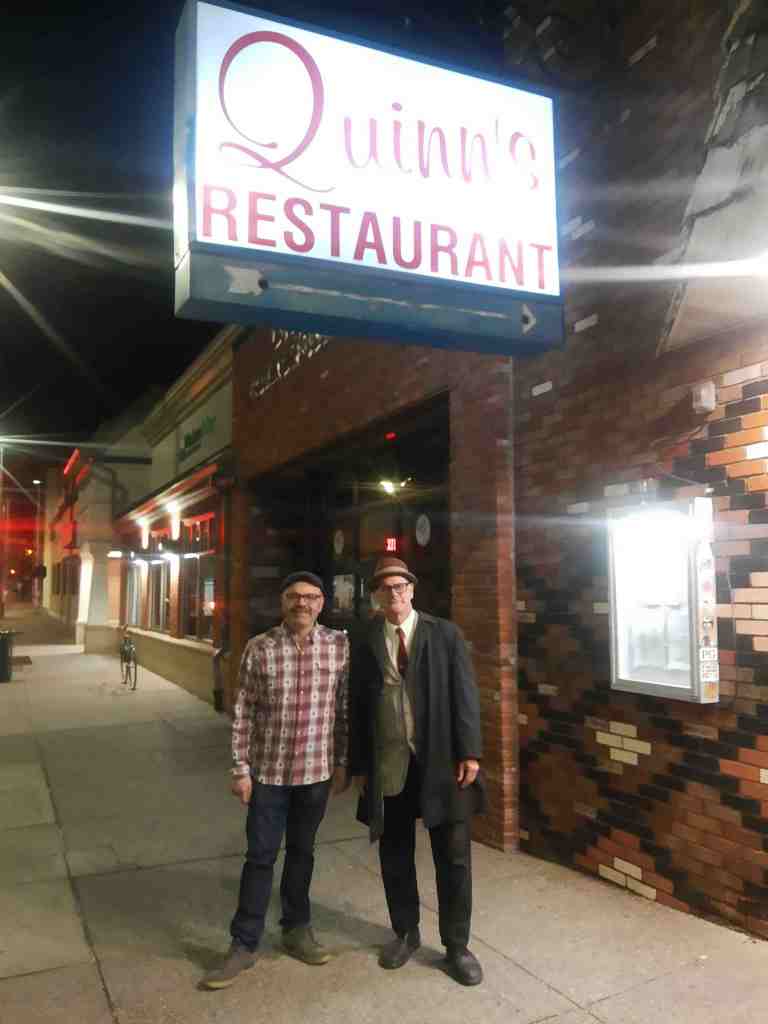
DJ Pete Pop and Phast Phreddie the Boogaloo Omnibus hang in front of Quinn’s after another successful DO THE 45!
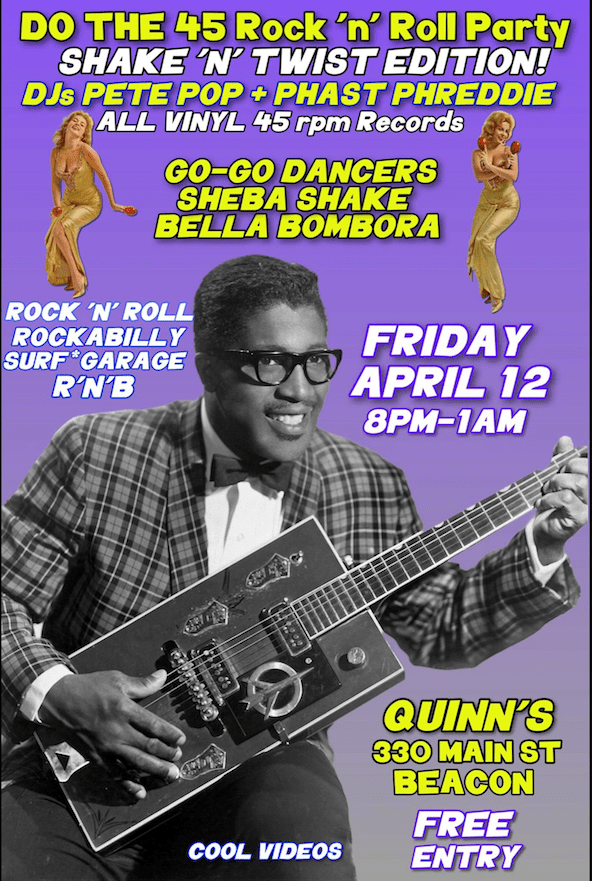
April’s Do The 45 was a unique one. Host DJ Pete Pop called for a mostly fifties music hustle: rockabilly, R&B, doo wop, blues, twist, etc. He called it The Shake ’n’ Twist Edition. Phast Phreddie the Boogaloo Omnibus, who has somehow become a regular DJ at these events, was able to dig deep into his boxes and pull out some choice biscuits.
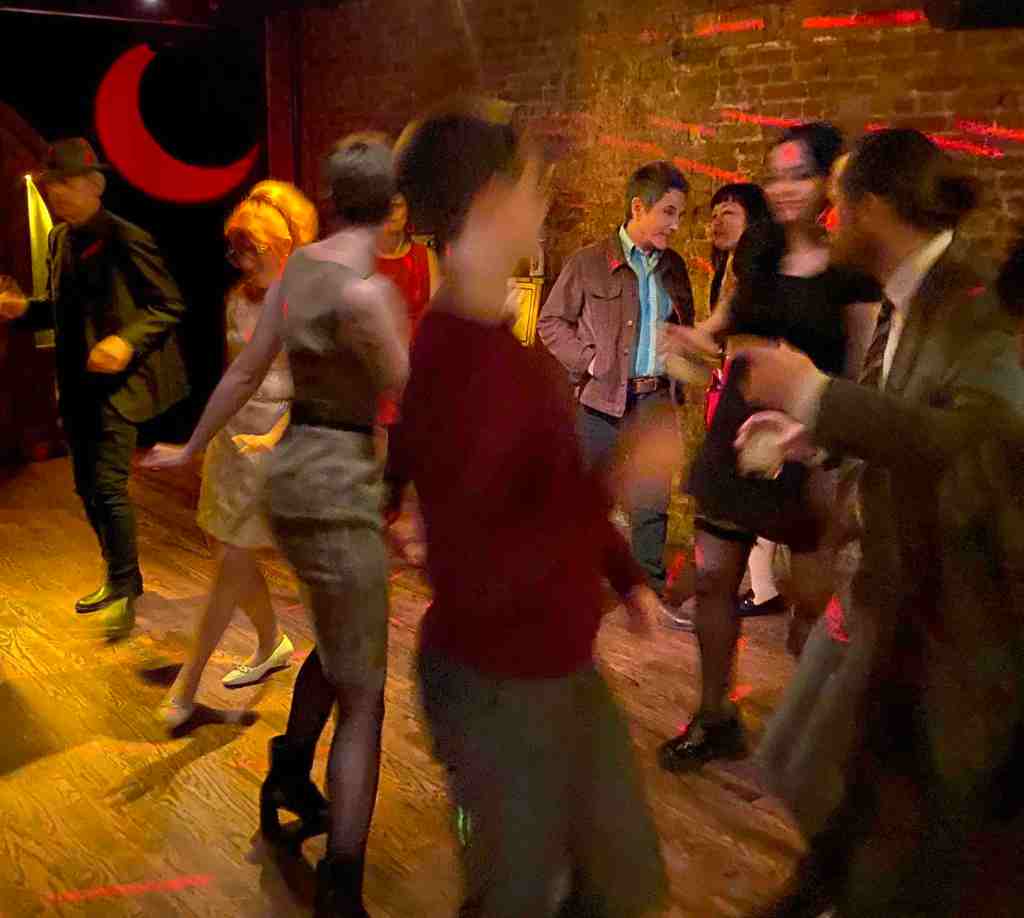
This Do The 45 was scheduled for Friday the 12th. However, due to some technical difficulties in the Quinn’s kitchen, the establishment couldn’t open that night so The 45 had to be moved to the Saturday. DJs Pete Pop and Phast Phreddie the Boogaloo Omnibus had to wait twenty four hours before they could deliver their explosive sounds at Beacon’s favorite rock ’n’ ramen joint. Right as the Quinn’s folks were ready to call it a night, a bunch of folks walked in and Mr. Pop and Mr. Phast ended up going an extra hour, alternating record playing. Go-Go dancers Bella Bombora and Sheba Shake were lined up to exhibit their fabulous dance moves, but Miss Sheba was already booked that night for a gig in Newburgh and couldn’t swing—so Miss Bella danced alone.
The electric Bella Bombora swings at the DO THE 45!
Although some folks still came out for the gig, many of the regulars couldn’t make the scene. The many folks who came for Quinn’s famous ramen noodles stayed extra long to dig the boss sounds. Miss Nancy made her signature vegan brownies and a new dish—chocolate chip cookies! Those things disappeared pretty quickly.
Speaking of sweet things, while at Quinn’s, The Boog sampled a desert item: Choco Monaka. It’s a sort of vanilla ice cream sandwich in a waffle crust with a thin layer of chocolate. Yummy!
Here’s a list of all the records played at the April Do The 45 by Phast Phreddie the Boogaloo Omnibus: